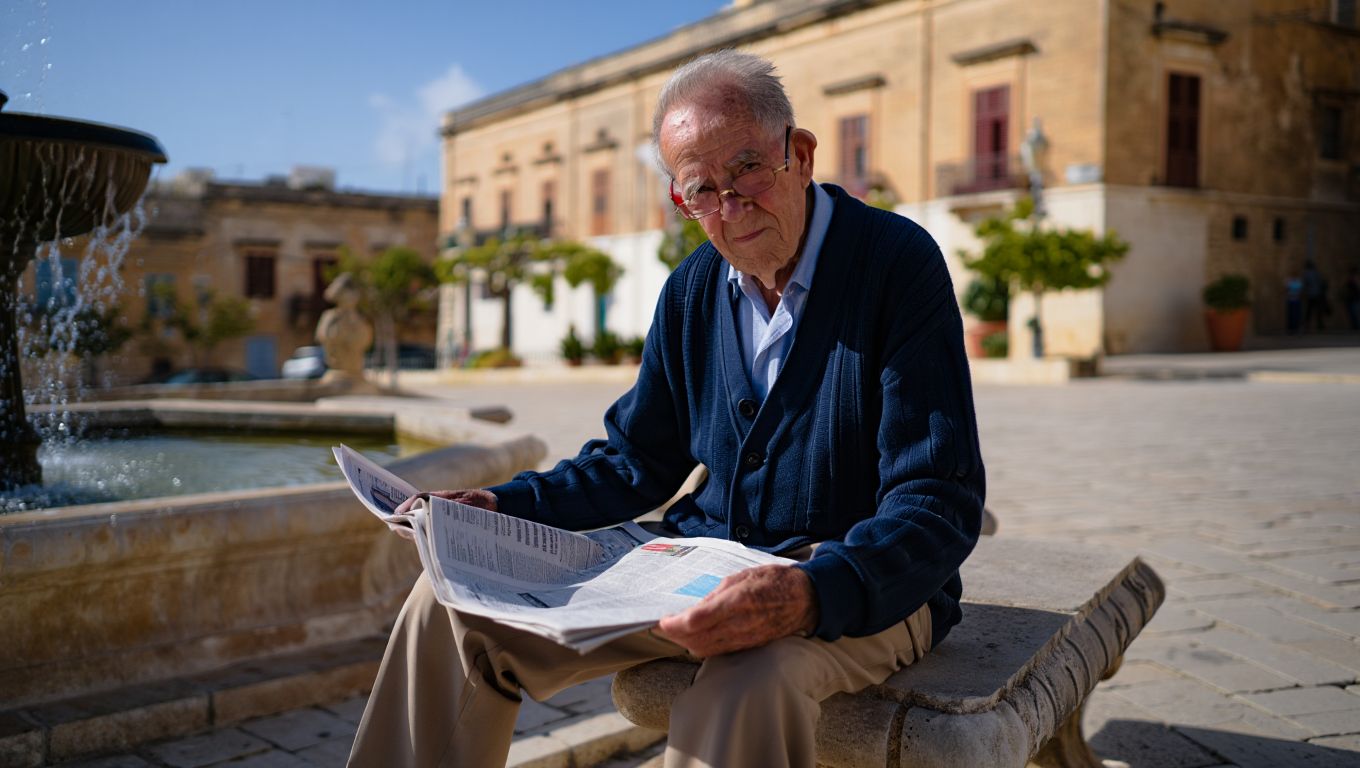
It starts with a winter that never really arrives. A soft breeze off the Mediterranean, a street of limestone balconies, and a rent that doesn’t gut the pension. In St Paul’s Bay, a northerly Maltese town fringed by blue coves and evening promenades, a quiet stream of Irish retirees has begun to settle. “It feels like I got a third of my life back,” says Mary O’Connell, 68, “and a bit of sun with it.”
A subtle migration south
They come in twos and threes, never a flood, always a trickle. A year on the island becomes three or five, and suddenly the local grocer knows your surname and your brand of tea. “It’s the rhythm that gets you,” says Liam Keane, 71. “Morning swim, bus into Valletta, pastizzi at eleven, and back for the sunset.”
Flights between Dublin and Malta keep the island close enough to feel reachable, far enough to feel new. English is one of the official languages, which trims the fear from moving at 70. And in St Paul’s Bay, the promendade turns each evening into a small-town ritual of dogs, benches, and quiet hellos.
The arithmetic of a smaller rent
The headline is rent. In recent listings, a modest one-bedroom in St Paul’s Bay or nearby Qawra can undercut comparable Irish rural towns, especially in off-peak months. Winter rates stay soft, while summers climb but remain workable if you avoid the new-builds hugging the water.
Electricity and water can be prickly, especially when the air-con hums through August. But many pensioners keep costs down by choosing cross-breezed apartments, north-facing balconies, and ceiling fans. “We’re more careful here,” says O’Connell. “But the whole month’s spend still runs less than a fortnight at home.”
Sunlight as medicine, community as policy
The island gifts a long autumn, a perfumed spring, and a run of winter days that feel like April. Joints ache less, moods lift, and the daily walk becomes a habit rather than a plan. “The sea is a physio,” Keane laughs. “And the bus pass is my chauffeur.”
Community builds on small rituals. Sunday market in Mosta. A Cisk at a waterside kiosk. Church bells at seven, fireworks when a local festa peaks. The pace is human, not slow so much as considered, like a conversation that never quite hurries.
Paperwork, healthcare, and the bits no one Instagrams
As EU citizens, Irish retirees navigate fairly clear residency channels, though the forms can feel labyrinthine. Many register for local healthcare access and keep private policies for speedier appointments. Pharmacies are friendly, clinics are competent, and major hospitals are a bus ride or short taxi away.
There is friction behind the postcard blue. August heat can be fierce, construction noise can test the early riser, and seafront cafés fill with summer crowds. Rains arrive in dramatic bursts, streets flood, and the limestone glare can feel relentless at noon.
Culture fit: a sociable island with its own edges
Maltese culture is proudly local, but habitually welcoming. “We’re a nation of cousinly introductions,” a shopkeeper in Bugibba likes to say. You’ll hear Maltese in the butcher, English in the bank, and Italian on evening TV. Food is sun-lit and simple: grilled fish, rabbit stew, and a bag of warm pastizzi for coins you can count with your thumb.
The island is compact, so days stack up with small surprises. A baroque ceiling in a hidden chapel, a weathered luzzu blinking its painted eyes, a notch of rocky shore only locals use. Buses are cheap, frequent, and occasionally chaotic—but no one’s commute is truly far.
Counting the cost of island life
Groceries hew close to continental prices, with imported brands a touch dearer. Dining out ranges from €3 pastizzi to €20 plates of grilled sea bream. Internet is reliable, mobile plans are sensible, and streaming a match is rarely a problem.
What quietly saves money is the weather. Fewer heating bills, fewer emergency flights home to escape a grey February. “The sun ends up in your budget,” says Keane. “You spend it on a bus ride and a view you didn’t have to earn.”
What to know before you pack
- Choose cross-ventilated apartments and ask about summer electricity costs in the actual contract.
- Visit in August and in January to test your personal heat and winter tolerance.
- Check the nearest bus stop and supermarket; a five-minute walk becomes fifteen in heat.
- If stairs are a concern, confirm lift access; many older blocks are proudly stubborn.
- Learn a few Maltese greetings; locals notice, and doors open a little wider.
Why St Paul’s Bay, specifically
It sits on the friendly side of busy. Cheaper than the sleek waterfronts of Sliema, livelier than the sleepier villages to the north, and stitched with services that matter when you’re retired. There’s a long promenade for gentle exercise, plenty of benches for chatting, and winter rentals that make the spreadsheet look kind.
“I thought I was chasing weather,” O’Connell says. “It turned out I was chasing the everyday—one I could afford, and one that feels like a day I chose on purpose.” Then she steps back into the sunlight, and the town keeps its soft, unhurried pace.

Contact details
Address:
Farmers Forum,
36, Dominick Street,
Mullingar,
Co. Westmeath,
Ireland
Phone:
+353 (0)44 9310206
Or email us:
For technical issues please check out our FAQ's page or email - [email protected]
For general Queries email - [email protected]
Request to add event to our Calendar - [email protected]
Send us your mart reports - [email protected]
Suggestions and feedbacks - [email protected]
News Items / Press Release - [email protected]
To Advertise on Farmers Forum - [email protected]