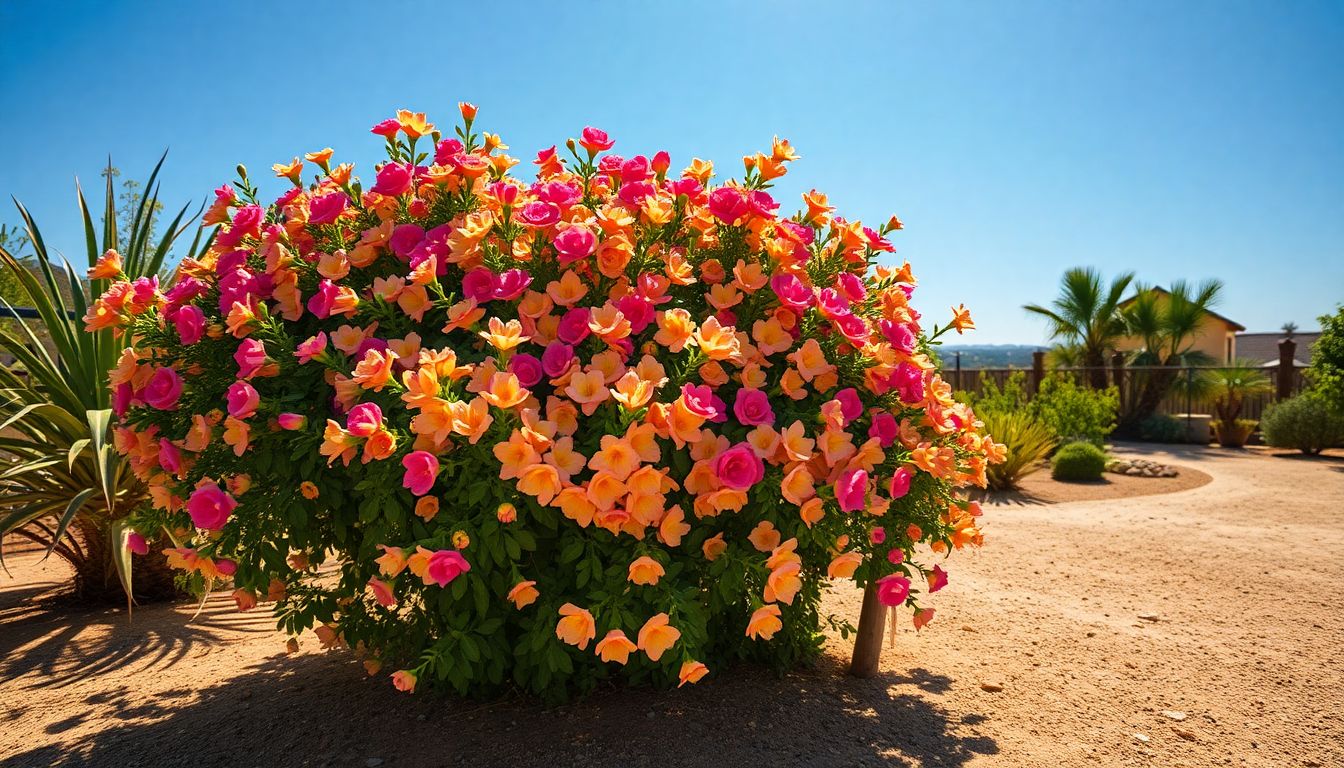
A drought-proof spectacle in blue
Among truly rugged ornamentals, the ceanothus stands out for its effortless elegance. Born of sun-baked hillsides, this evergreen carries dense clouds of blossom from late spring right through October. Its naturally compact habit keeps a neat silhouette with virtually no need for routine pruning. Even in lean soils and relentless heat, the plant remains richly floriferous, turning dry borders into living sky.
Why this shrub thrives when others fail
The secret lies in deep, efficient roots that tap moisture far below sun-scorched surfaces. Small, leathery leaves reduce water loss, while waxy cuticles and fine hairs conserve precious humidity. During severe stress, stomata close with swift precision, slowing transpiration without halting essential metabolism. The shrub’s xylem resists drought-induced cavitation, allowing sap flow to rebound when moisture returns.
In gardens, this resilience becomes pure ease, because the plant simply carries on without human intervention. Wind, glare, and reflected heat pose little threat, and the shrub answers adversity with sustained color. Where irrigation is scarce, its performance remains reliable, making it a cornerstone of climate-wise design.
A living canvas, month after month
From May to high autumn, flower panicles erupt in saturated blues, with occasional rose or white depending on named forms. Nectar-rich clusters beckon bees and butterflies, sustaining urban pollinator traffic when many borders fade and flag. The effect is both airy and abundant, a haze of bloom that reads as cool weather even on the hottest long days.
“Once established, this shrub turns summer stress into luminous color,” notes a seasoned landscape horticulturist. The visual payoff feels almost Mediterranean, yet the mood remains poised and tidy.
Standout selections for gardens large and small
- Ceanothus ‘Concha’: intensely dark-blue trusses on a graceful, arching framework
- Ceanothus ‘Puget Blue’: compact habit with vivid cobalt spires in prolonged flushes
- Ceanothus ‘Marie Simon’: soft rose plumes and a lightly remontant character
- Ceanothus ‘Gloire de Versailles’: powdery blue bloom and dependable cold hardiness
These choices cover a spectrum of garden scales, from townhouse courtyards to broad coastal slopes. Foliage can be finely textured or glossy and substantial, always reading clean and refined.
Beauty that supports life
Beyond decorative value, ceanothus powers urban biodiversity with continuous nectar and extended pollen. Hoverflies, native bees, and garden butterflies find sustenance across the hottest weeks. Deep roots stabilize crumbly banks, holding soil during sudden summer downpours. Light shade beneath the branches cools bare ground, softening harsh microclimate swings.
This resource efficiency pairs aesthetic impact with practical environmental benefit. Reduced watering translates to lower inputs, fewer hoses, and calmer summer maintenance. In regions facing recurring drought, that balance of style and restraint feels especially timely.
No-shear structure, naturally
Ceanothus carries an inherently ordered framework, forming rounded mounds or fanlike screens without clipping. Stems mature into attractive architecture, which reads as intentional garden structure. Even when past peak bloom, the plant holds a composed, evergreen presence. Where other shrubs beg for routine shaping, this one prefers to be left in quiet rhythm.
Occasional renewal after many years can refresh aging wood, but the day-to-day requirement remains minimal. In practice, that means more time enjoying soft light on blue flowers, and less time managing hedge lines.
Companions that share the same stamina
For contrast, tough ornamental grasses lend movement, while drought-wise perennials supply layered texture. Abelia brings glossy leaves and long, fragrant trumpets, echoing the ceanothus season with romantic warmth. Buddleia adds elongated, scented spikes, drawing clouds of fluttering pollinators through late summer. Rosemary contributes aromatic, silvery needles and a culinary bonus, bridging herb and ornament with crisp form.
Together, these partners create resilient, low-input plantings that keep color alive as temperatures rise. The composition looks deliberately modern, yet remains grounded in classical Mediterranean harmony.
Form and function for a changing climate
In a warming world, gardens need plants that are both beautiful and resource savvy. Ceanothus meets that brief with long, luminous flowering and steadfast drought poise. It spares water, resists heat, and carries a clean, sculptural line without the fuss of seasonal shearing.
Few shrubs combine such sustained performance with such disarming simplicity. When borders beg for color, structure, and reliable thrift, this blue-blooming stalwart answers with bright, effortless grace.

Contact details
Address:
Farmers Forum,
36, Dominick Street,
Mullingar,
Co. Westmeath,
Ireland
Phone:
+353 (0)44 9310206
Or email us:
For technical issues please check out our FAQ's page or email - [email protected]
For general Queries email - [email protected]
Request to add event to our Calendar - [email protected]
Send us your mart reports - [email protected]
Suggestions and feedbacks - [email protected]
News Items / Press Release - [email protected]
To Advertise on Farmers Forum - [email protected]