To endure the harshness of winter, animals have developed a whole repertoire of strategies that are as astonishing as they are effective. Today we focus on one of the most extreme: the Dehnel effect.
A Spectacular Survival Strategy
First described in the mid-20th century, the Dehnel effect has since been observed in a handful of mammals. Concretely, before the onset of the cold season, these creatures shrink their body volume by as much as 20%, not only losing weight but also undergoing a physical reduction in the size of their bones, organs and tissues. Then, in the spring, they rebound to their original measurements, sometimes surpassing them.
This phenomenon is marked by a decrease in the density of bone, brain and organ cells, allowing these animals to significantly limit their energy needs during the winter season.
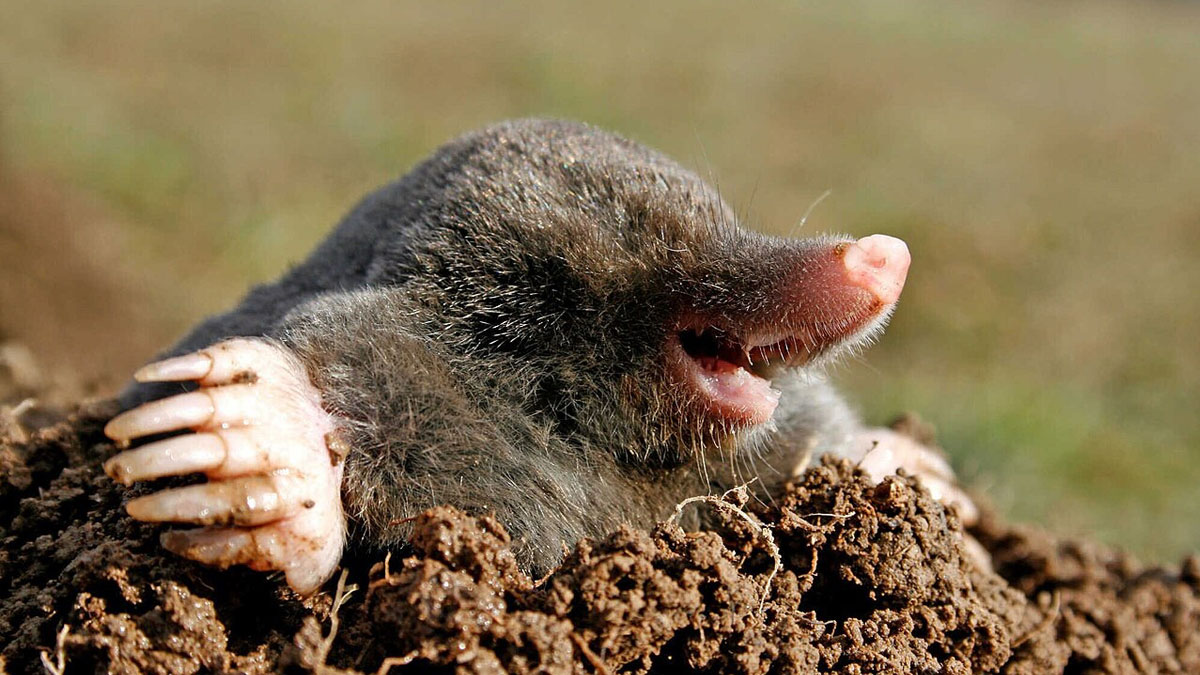
While it had been observed in shrews, their lifespan of about 13 months meant they could experience it only once. A few years ago, researchers therefore turned to creatures with greater longevity: the moles. Published in the journal Royal Society Open Science, the study aimed mainly to determine whether the effect arose solely from resource scarcity.

The Influence of Climate
The team studied European moles (Talpa europaea) and Iberian moles (Talpa occidentalis), which do not hibernate and maintain high energy expenditure throughout the winter, yet thrive in different climates with distinct reproductive cycles.
In the former group, researchers found that skull height followed a seasonal pattern across their lifetime. It is greater in summer and reaches its minimum in November of the first year of life (with a reduction of roughly 11%). The absence of such a pattern in T. occidentalis further confirmed the influence of climatic conditions on this trait.
These findings extend beyond the domain of animal biology. As the researchers explain, the fact that three phylogenetically distant groups of mammals can shrink and then regenerate their bone and brain tissues hints at potential pathways for treating conditions such as Alzheimer’s disease and osteoporosis.
Similarly, it turns out that some migratory birds engage in “self-cannibalism” to accomplish their record-breaking migrations.

Contact details
Address:
Farmers Forum,
36, Dominick Street,
Mullingar,
Co. Westmeath,
Ireland
Phone:
+353 (0)44 9310206
Or email us:
For technical issues please check out our FAQ's page or email - [email protected]
For general Queries email - [email protected]
Request to add event to our Calendar - [email protected]
Send us your mart reports - [email protected]
Suggestions and feedbacks - [email protected]
News Items / Press Release - [email protected]
To Advertise on Farmers Forum - [email protected]