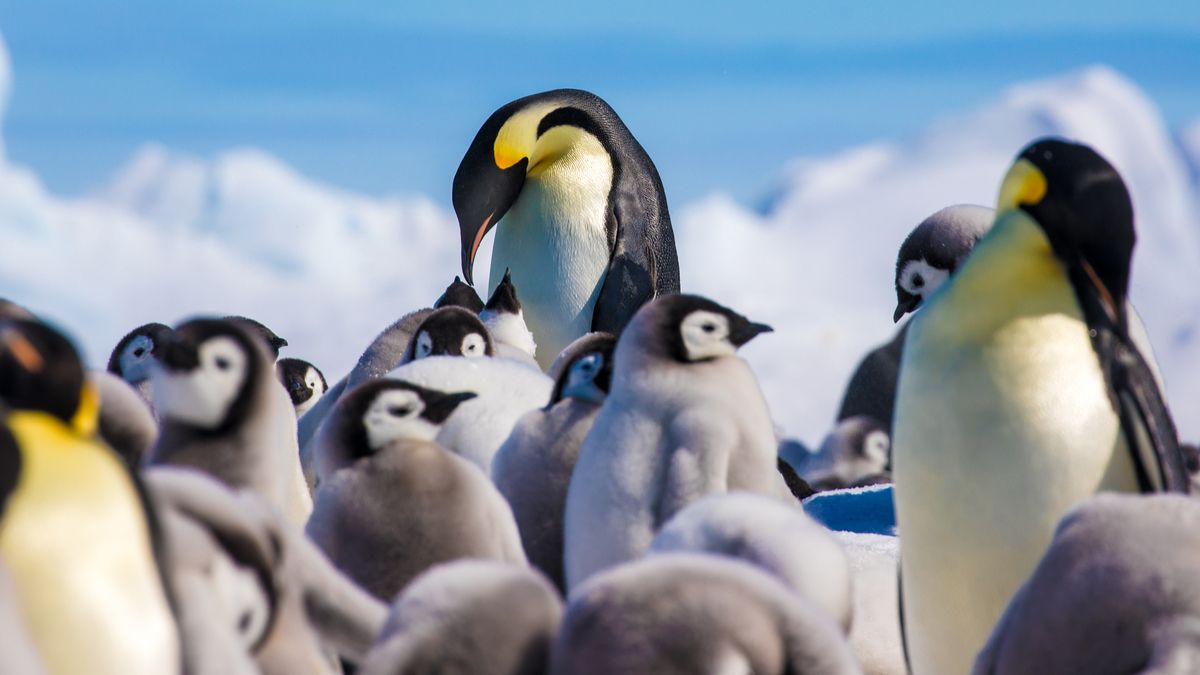
A sad update for Antarctic biodiversity. The International Union for Conservation of Nature (IUCN) has recently placed two emblematic species from the frozen continent on its endangered species list.
Three Antarctic species see their status change
The IUCN Red List is the global reference for assessing the extinction risk of animal, fungal and plant species. According to the organization’s latest release, between 2009 and 2018 emperor penguin populations (Aptenodytes forsteri) declined by 10%, which amounts to more than 20,000 adults. With the intensification of climate change, those numbers could drop by half by 2080.
« Satellite imagery shows that the early spring melting of the sea ice already profoundly disrupts Antarctic colonies », explains Philip Trathan of the British Antarctic Survey. « Our projections indicate that this phenomenon will disproportionately impact their habitats, breeding sites, foraging areas, and moulting grounds. »
Another Antarctic species hit hard by climate upheavals and now listed as endangered: the fur seal (Arctocephalus gazella), whose numbers have fallen from 2 million adults in 1999 to just 944,000 in 2025.
Previously categorized as a minor concern, the Southern elephant seals (Mirounga leonina) are now considered a vulnerable species after avian influenza wiped out more than 90% of newborns in certain colonies.
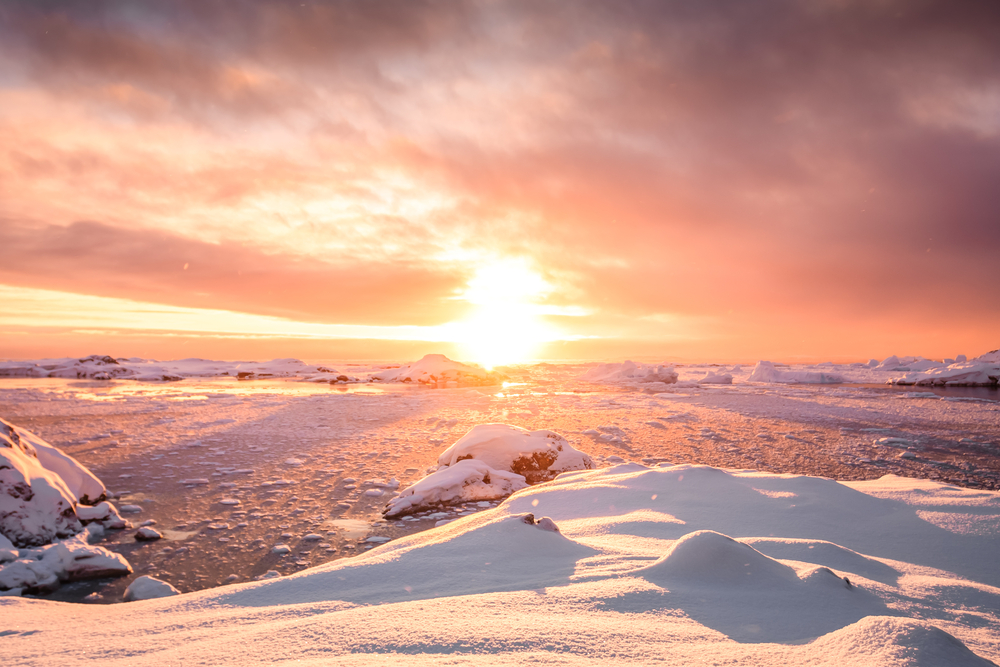
A bleak future for emperor penguins
As early as 2022, Sharon Robinson of the University of Wollongong and colleagues had determined that emperor penguins were the most threatened Antarctic species and faced extinction by 2100. Last year, the same team arrived at new, alarming conclusions.
« Among the more than 60 known coastal emperor penguin colonies, about half have experienced high or complete breeding failures since 2016 due to the early loss of sea ice attached to the coast or the seabed », explains the researcher. « The most dramatic situation is observed at the Antarctic Peninsula, where we have seen many chicks drown. »
According to the World Wide Fund for Nature (WWF), the fate of the emperor penguin is inextricably linked to global efforts to curb warming, which will require a substantial reduction in greenhouse gas emissions over the coming decades.
Previously, a study had shown that penguins reproduced much earlier.

Contact details
Address:
Farmers Forum,
36, Dominick Street,
Mullingar,
Co. Westmeath,
Ireland
Phone:
+353 (0)44 9310206
Or email us:
For technical issues please check out our FAQ's page or email - [email protected]
For general Queries email - [email protected]
Request to add event to our Calendar - [email protected]
Send us your mart reports - [email protected]
Suggestions and feedbacks - [email protected]
News Items / Press Release - [email protected]
To Advertise on Farmers Forum - [email protected]