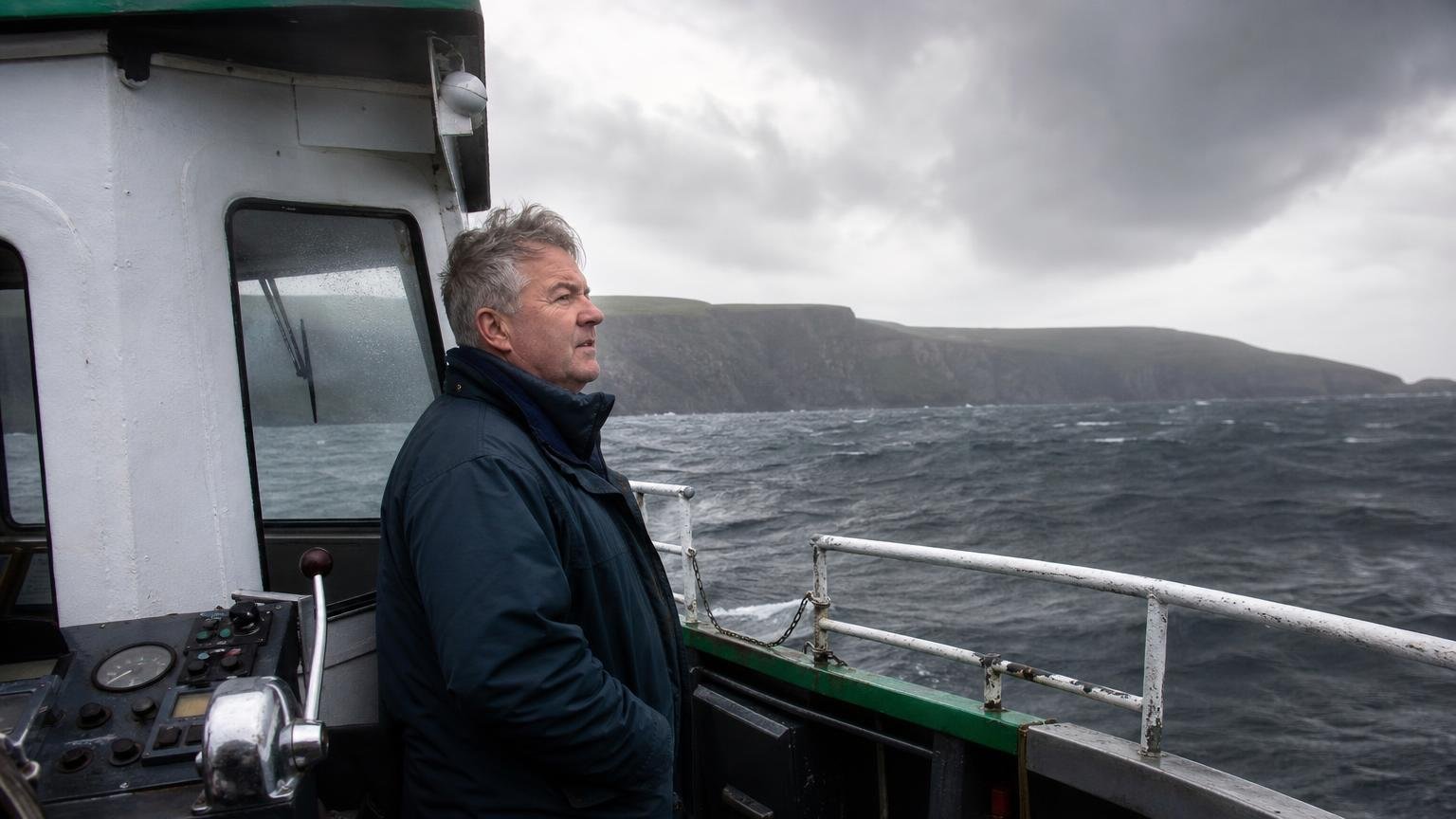
The tourist summer fades in Kerry, but the sea does not. September brings a softer light, warm mornings, and the kind of quiet that makes a crossing feel promised. It’s also the month when a seasoned skipper glances past the calm hedgerows and decides to turn the boat around.
“It’s never the wind people expect,” he says, eyes on the swell line more than the sky. “The trees can be still, the harbour like glass, and a mile outside it’s standing up like a wall.”
September’s deceptive calm
On the pier, the breeze can feel friendly, the water polite. Folks look at flags, not period, and they judge the sea by surface alone.
But September is swell season on the Atlantic fringe. A storm three days and a thousand miles away sends long, muscular waves into every sound and around every headland. “It’s the yesterday wind from somewhere else,” the skipper shrugs. “It turns up when you’re smiling at a blue sky.”
The wind you don’t feel
Out past Slea Head, water stacks where tide meets fetch, and the gaps between islands become funnels. A light easterly onshore can mask a heaving westerly ground swell, the kind that lifts your stomach without warning.
Then there’s wind‑against‑tide: a recipe for short, angry seas. In places like Blasket Sound, the tide hurries west while the breeze leans east, and every second wave breaks square to the bow. “You turn the wheel, and the sea changes the plan,” he says. “That’s the bit radio forecasts don’t explain to visitors.”
Decisions on the bridge
Turning back is not a single sign, but a stack of small signals. The skipper reads the water, the boat’s trim, even the silence of passengers who stop taking photos.
“Safety isn’t just a rule, it’s a rhythm,” he says. “You feel it in the hull, in how the boat breathes over the top of a set.”
Factors weigh into the call long before the bow meets the bar:
- Long‑period swell from distant storms, even on calm days
- Spring‑tide timings near the equinox, tightening windows
- Wind‑against‑tide in known races and over shallow ledges
- Passenger mix and seasickness risk on a rising sea
- The return‑leg forecast, not just the trip out
“If two of those go amber, I’m already thinking home,” he adds. “Three, and you don’t argue with the ocean.”
Turning back with dignity
Half the runs in late September end in a careful pivot, bow coming gently round where the swell shows its teeth. Some people clap, some people curse, and a few quietly thank the universe for a decision made early.
“The sea keeps the timetable, not the brochure,” he says. “I’ll bring you back dry and a bit disappointed, rather than out there wet and very sorry.”
Good seamanship is as much manners as maths. The skipper explains the why, points to the white water on a reef, the stacked sets at a headland, the way the tide stands up in an hourglass of current. Information takes the place of bravado, and the boat goes quiet in a respectful way.
Why the month bites harder
September sits near the autumn equinox, when spring tides run taller and faster through narrow gates. Offshore, the first real lows of the season start marching across the ocean, their energy banked in swell that outlives any local breeze.
Daylight shrinks, slack water windows do the same, and the margin for safe adventure narrows. Even familiar bars and bights take on new moods, shifting sand and standing waves where July felt forgiving.
The myths passengers bring
People anchor to what they can see: flags limp, boats idle at moorings, a child dropping a pebble into slick green water. “They think wind equals weather, but swell equals sea,” the skipper says. “One you can feel on your cheek; the other you feel in your knees.”
Apps suggest tidy arrows, clean numbers. Offshore, reality runs in layers: local breeze, remnant swell, tide like a slow river moving under the skin of things.
How to travel smarter
The skipper’s ask is simple. Build flex into your plans. Book the earliest window after a settled spell, and don’t hard‑wire connections you can’t miss. Pack real waterproofs, not city‑proof jackets. If you’re prone to queasiness, eat light and take what your doctor recommends.
Above all, trust the boat. “If you hear us say we’re turning back, that’s your lucky day,” he says. “It means everyone gets home, and the sea keeps its mystery.”
By month’s end, the phone still rings, and the pier still fills. The skipper watches the swell breathe, waits for the right lull, and takes the boat as far as the day will allow. Some journeys are measured in miles. In September, the better ones are measured in judgment.

Such a poetic piece interwoven with the quiet knowledge of the boatman. Beautiful