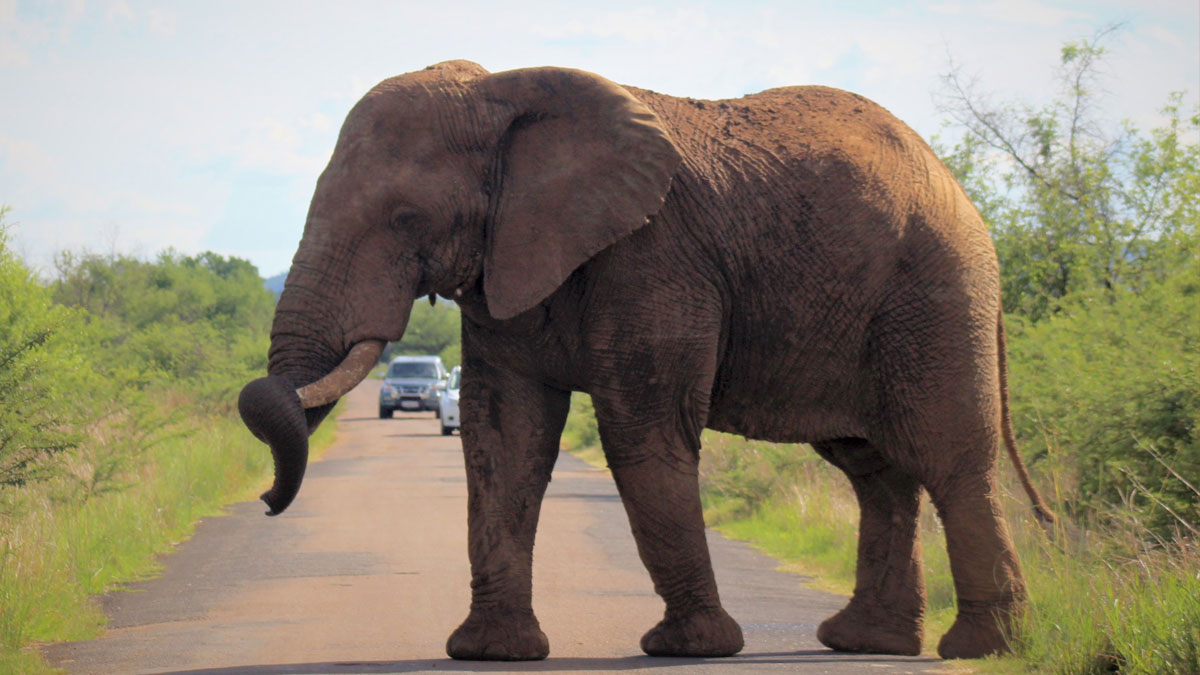
Rapid urban and agricultural development in southern Africa is driving a dramatic fragmentation of elephant habitats and an unprecedented rise in interactions with local communities.
Disputed Lands
Approximately 290,000 savanna elephants (Loxodonta africana) are estimated to inhabit southern Africa, with their populations slowly rebuilding after decades of rampant poaching. At the same time, human populations are rising rapidly in this part of the continent, leading to the construction of new infrastructure and the expansion of agricultural lands.
To evaluate the consequences of this situation, researchers drew on a dataset covering the period 2004-2020. Collected in Namibia, Botswana and parts of Angola and Zambia, they identified areas where the elephant’s range overlapped lands occupied and exploited by 38 rapidly growing human communities.
Taking into account built and cultivated areas, road infrastructure, fences, as well as forest and grass cover, water sources and climatic and hydrological variations, the models used suggest a strong rise in human-elephant conflicts over the coming decades. If these conflicts are expected to be more frequent during the rainy season, water deficits will also push elephants into agricultural zones, where they are likely to damage crops.
“These projections of land use, demographic and climatic changes indicate that the area of high-risk zones for human-elephant conflicts is expected to increase by 33 to 100% by 2085, with a corresponding rise in the frequency of incidents,” write the authors of the new study, published in the journal PNAS Nexus.
Des travaux nécessaires
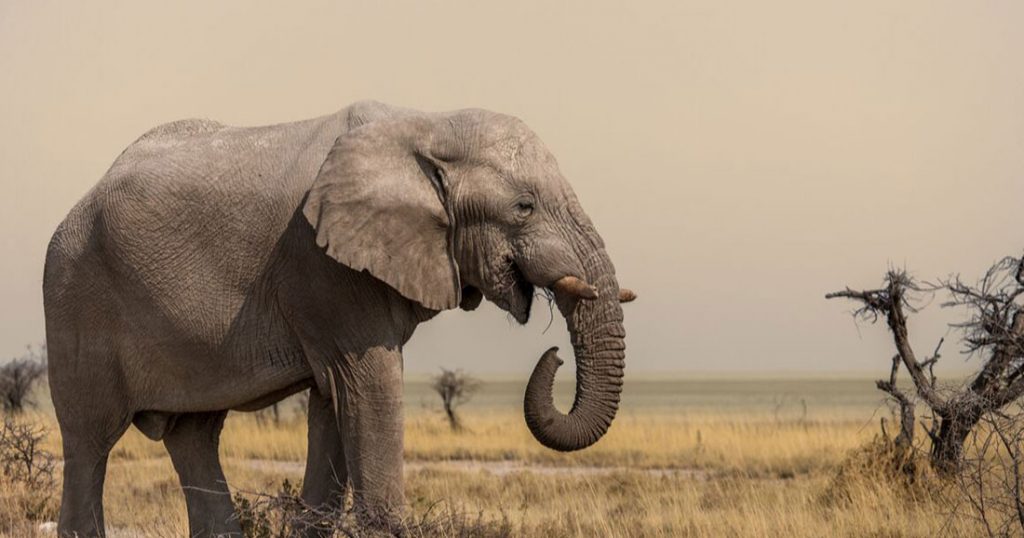
Dans l’ensemble, ces travaux indiquent que l’expansion des activités humaines constitue le principal moteur de l’augmentation des conflits entre humains et éléphants, une tendance que le changement climatique ne fera qu’accentuer.
L’identification de ces futurs « points chauds » se révèle essentielle pour préserver les moyens de subsistance des populations locales sans entraver les efforts de conservation des éléphants. Parmi les mesures envisageables, les chercheurs évoquent une planification minutieuse de l’occupation des sols, le déploiement de systèmes de surveillance ou encore une meilleure protection des cultures.

Contact details
Address:
Farmers Forum,
36, Dominick Street,
Mullingar,
Co. Westmeath,
Ireland
Phone:
+353 (0)44 9310206
Or email us:
For technical issues please check out our FAQ's page or email - [email protected]
For general Queries email - [email protected]
Request to add event to our Calendar - [email protected]
Send us your mart reports - [email protected]
Suggestions and feedbacks - [email protected]
News Items / Press Release - [email protected]
To Advertise on Farmers Forum - [email protected]