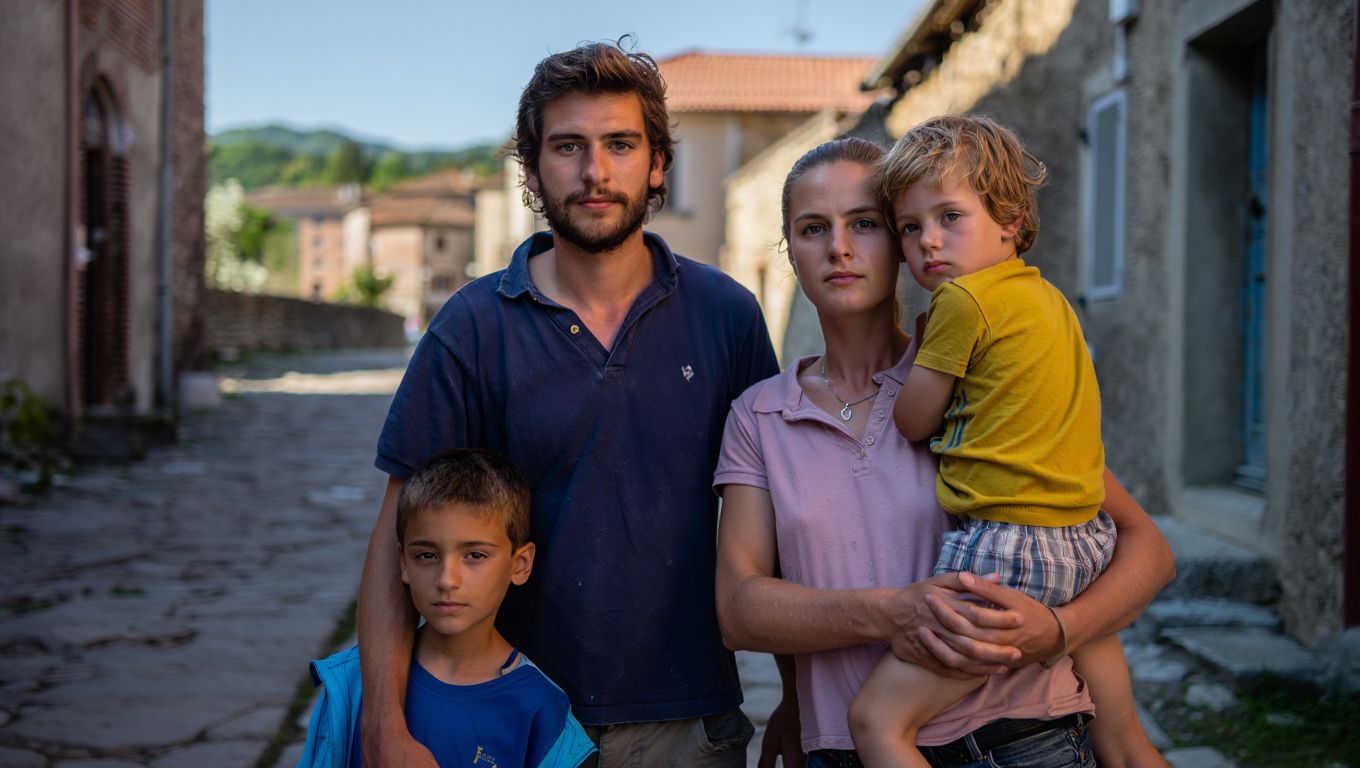
They arrived with boxes of books and a borrowed van, a long way from the rain-washed quays of the Irish Sea to a hilltop village in the Marche. Five years later, the rituals have settled—espresso at the bar, laundry on a line, children running the piazza—yet one thing keeps catching them off-guard. Every September, the light shifts and the ground seems to tilt.
“It’s as if someone fitted the sky with a dimmer, then varnished it with honey,” says Niamh, who teaches English online and has learned to say buongiorno with a whisper. “I never knew light could feel so thick, so particular.”
When the angle starts to lean
By the second week of September, the sun drops at a slant, sneaking between terracotta roofs and casting shadows that feel architectural. Even the olive leaves seem sharper, their undersides flicking with mercury. In Dundalk, autumn came with drizzle and a sky like a blanket. Here, the afternoons are theatrical, staging a drama of gold and cool.
Tom, who now repairs bicycles in a garage that smells of oil and sage, says it messes with his clock. “Back home, four o’clock was already grey,” he says. “Here, four o’clock is brighter and somehow older. It’s light you can almost touch, but it’s also saying hurry.”
The harvest tint
The neighbors call it luce di vendemmia, the harvest light. Grapes come in on trailers, bees loiter at the mouths of bottles, and everything—walls, wrists, and notebooks—carries a bloom of dust. In that glow, the village seems carved, as if the centuries have been newly polished.
For the children, school begins with crisp new pencil cases and the white echo of chalk. “It’s a light that makes shadows on the blackboard,” says Aoife, nine, who has learned to roll her r’s and to count the number of swallows over the balcony. “Back in Ireland the sky was more soft, like a sheet.”
The pace of afternoons
By late afternoon the streets go quiet, not with the heavy sleep of August, but with a poise that suggests decision. Olive nets appear like folded water, and the barista pulls a last caffè before the dinner rush. The family walks out to the belvedere, where the Sibillini profile looks stitched into a pale linen horizon.
“You start noticing timing,” Tom says. “When the church shadow kisses the well, that’s when I lock the shop. When the pigeons turn to sparks and vanish, that’s when the kids should be home.”
Seeing in a new language
Light taught them a dialect they didn’t know they were missing. There is a word for the bloom on grapes, for the pink that spills across marble, for the way laundry seems flat against the air. Niamh keeps a notebook of phrases she hears on the steps below their door.
“I thought moving abroad would be all about paperwork and recipes,” she laughs. “But it’s been about angle and tone. The light makes us notice, and noticing makes us stay.”
Daily choreography
They’ve adjusted habits to meet the angle halfway. Windows are left ajar until the sun clears the alley; shutters close with a wooden sigh at noon. The kettle whistles at five, just as the terrace cools to almond.
- Dinner moves from the kitchen to the balcony precisely when the church bell makes its fifth echo; homework shifts to the table nearest the window that is least stubborn with glare; the dog’s walk starts when the pavement turns from white to wheat beneath their feet.
What they carry, what they let go
Certain Irish habits cling: a mackintosh by the door, a superstition about wind, the urge to keep a lamp on even when the room is already golden. But other things have learned to loosen. Shoes are left on the stairs, lunch is eaten late with figs, and the radio announces weather that actually feels like news.
“We used to plan our days around rain,” says Niamh. “Now we plan them around a beam that hits the sink at exactly the wrong time.”
Why this month won’t settle
Maybe September resists because it sits between worlds: the salt of summer still on your skin, the first cool breath of firewood in the lanes. The family finds themselves caught, delaying coats, bargaining with twilight, arguing over whether the sandals can last one week more.
On some evenings the town seems backlit, like a stage set about to travel. The children chase their shadows, longer than their arms, and try to pinch the light as if it’s a trick of glass. “It’s gorgeous and a little sad,” Tom admits. “It keeps telling you that time is a shape, not just a line.”
Staying because it changes
They stay for the shifts, for the surprise of familiar stones becoming strange, for the way the church clock seems to tick in gold. They stay because learning to live with a particular light turns out to be a way of learning to live with time.
“Every year I think I’ll get used to it,” Niamh says, looking toward the Adriatic where the sea has gone the color of steel. “And every year, at four in the afternoon, I remember why we came.”

This article is total fiction. The picture is a stock Google image or AI. The people don’t exist