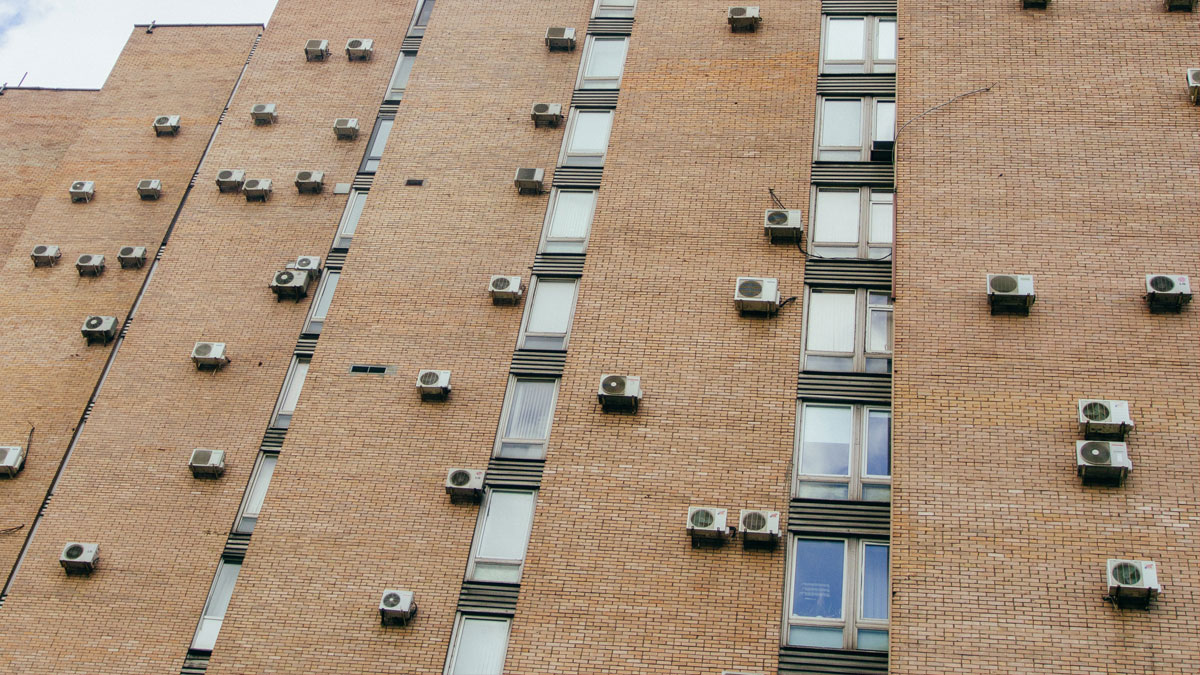
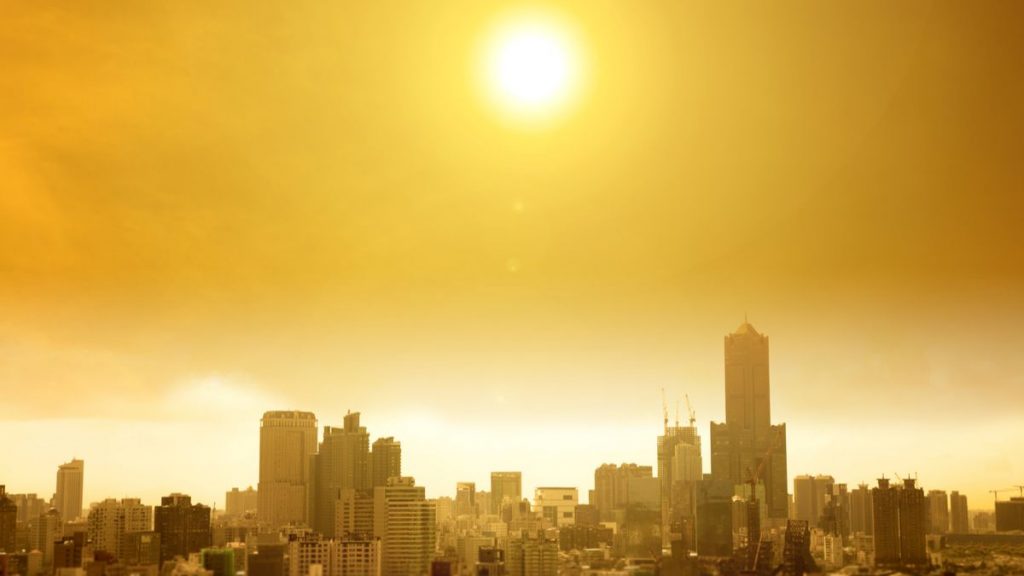
In a rapidly warming world, where heat waves are becoming more frequent and intense, air conditioning saves lives. But as a new study reminds us, its enormous energy consumption does not make it a sustainable solution.
A Power-Hungry Technology in Full Swing
It is estimated that air conditioning could reduce heat-related mortality by up to 75%, and demand is rising rapidly. Currently, around 10 new air conditioners are sold each second, which by 2050 will translate into about 5.6 billion domestic systems in operation worldwide.
Although they are highly effective at lowering indoor temperatures, these devices consume enormous amounts of electricity and also use refrigerants, such as hydrofluorocarbons, which contribute to climate change. Today, it is estimated that air conditioning and mechanical cooling systems are responsible for nearly 7% of global greenhouse gas emissions, and this ecological cost is set to soar in the coming decades.
“Air conditioning saves lives and will remain indispensable during heat waves,” notes Mat Santamouris, a researcher at the University of New South Wales and the lead author of the new study, published in the journal Nature Reviews Clean Technology.
“But we cannot rely on it alone to address climate change,” he continues. “If every building depended entirely on mechanical cooling, we would place enormous pressure on electrical grids while further increasing heat in our cities.”
What Alternatives to Air Conditioning?
Among passive cooling technologies capable of effectively lowering temperatures in buildings, the researcher and his colleagues cite radiative coatings, as well as next-generation reflective materials. Mentioning a higher upfront cost, they note that in the medium term these would become more advantageous than air conditioning systems, without causing further warming.
“The best cooling strategy is above all to prevent unwanted heat from entering buildings,” details Santamouris. “Shade, reflective materials, and more efficient ventilation would significantly reduce indoor temperatures before an air conditioner needs to be switched on.”
“The buildings we construct today will still be standing in 2050 and beyond. They must be designed to withstand tomorrow’s climate, not yesterday’s,” he concludes.
If you haven’t yet succumbed to an air conditioner, there are simple ways to cool your home.

Contact details
Address:
Farmers Forum,
36, Dominick Street,
Mullingar,
Co. Westmeath,
Ireland
Phone:
+353 (0)44 9310206
Or email us:
For technical issues please check out our FAQ's page or email - [email protected]
For general Queries email - [email protected]
Request to add event to our Calendar - [email protected]
Send us your mart reports - [email protected]
Suggestions and feedbacks - [email protected]
News Items / Press Release - [email protected]
To Advertise on Farmers Forum - [email protected]