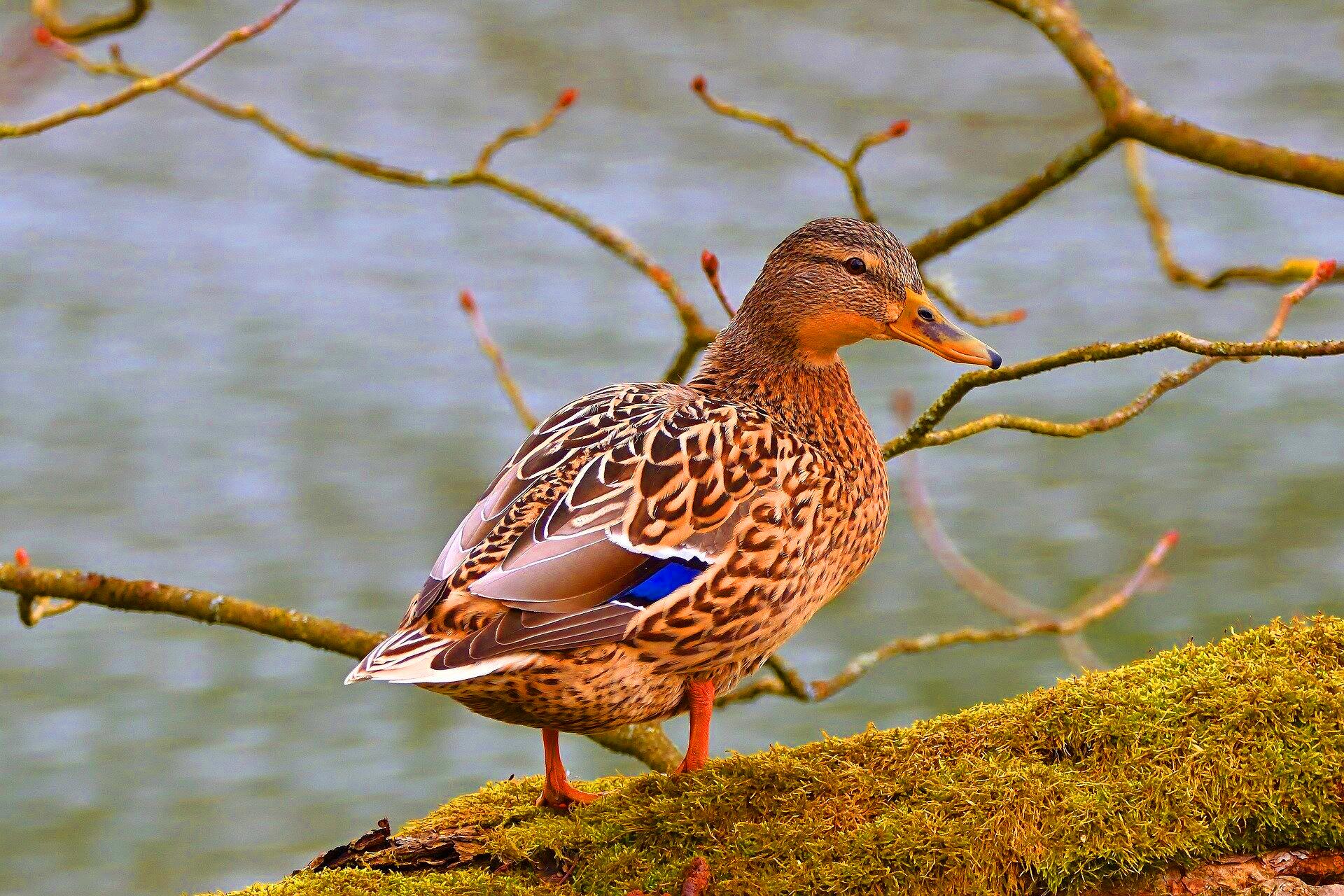
Waterfowl hunted in the northeastern United States exhibit concerning levels of contaminants that could jeopardize not only the birds themselves but also the hunters and consumers of these game species. A recent study, conducted in collaboration with the New York State Department of Environmental Conservation and several other state agencies, revealed the presence of substances such as polychlorinated biphenyls (PCBs), organochlorine pesticides (OCPs), and per- and polyfluoroalkyl substances (PFAS) in every volatile sample analyzed. These results raise critical questions about health risks associated with consuming these birds, as well as about potential impacts on local wildlife.
The diversity of species studied
The study focused on five species of waterfowl commonly hunted in the Northeast Atlantic Flyway region. Among these species, Canada geese and ring-necked ducks showed lower contaminant levels compared with mallards, American black ducks, and American wigeon. This variation is likely due to their distinct feeding habits, which influence exposure to pollutants. The researchers gathered more than one hundred birds from four different states and nine ecological regions to ensure a representative and accurate depiction of contamination across these populations.

Table illustrating the contaminant levels measured in the different species:
| Species | PCB Level | OCP Level | PFAS Level |
|---|---|---|---|
| Canada Geese | Low | Moderate | Low |
| Ring-necked Ducks | Low | Low | Moderate |
| Mallards | High | High | High |
| American Black Ducks | High | Moderate | High |
| American Wigeons | Moderate | High | Moderate |
Implications for human health
The study’s findings underscore the need to revise current guidelines on waterfowl consumption. Since the early 1990s, no updates have been made to the consumption advisories issued by the New York State Department of Health. Presently, consumption guidance recommends limiting waterfowl intake to two meals per month. However, the presence of PCBs, synthetic chemicals banned since 1979, could raise cancer risk for those who regularly eat these birds. This situation calls for careful consideration to determine whether food-safety thresholds should be adjusted.
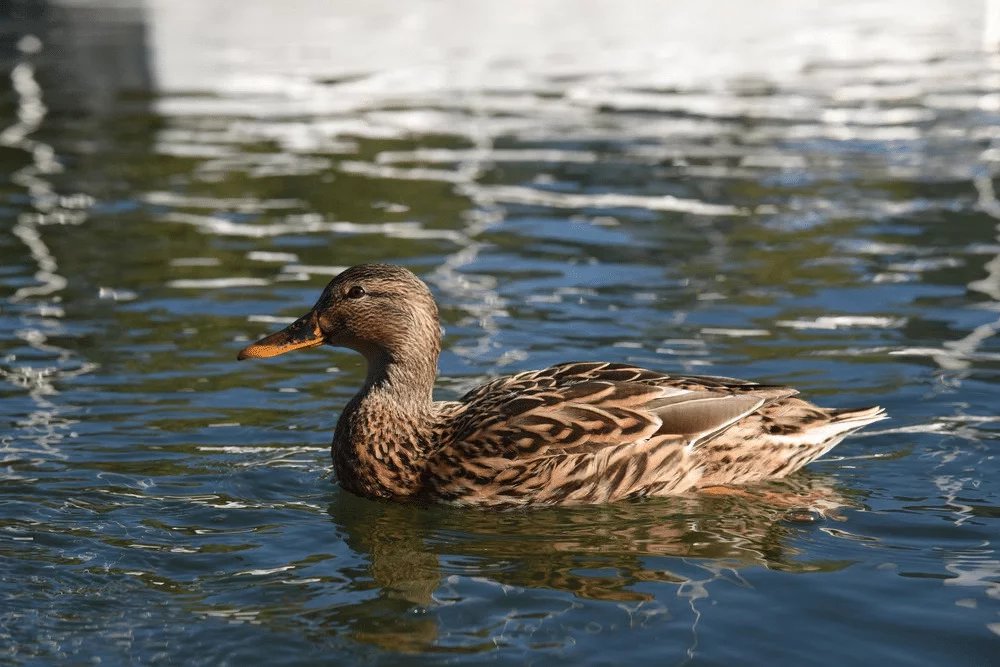
The researchers found that while mercury and OCP levels pose only minimal health risks, PCBs could represent a more serious threat. This finding is particularly concerning for hunters in New York, Pennsylvania, New Jersey, and Connecticut, who collectively harvest more than half a million ducks and geese each year. A reevaluation of dietary recommendations could be warranted to safeguard public health.
Ce bébé miracle conçu grâce à une révolution technologique ébranle 45 ans de fécondation in vitro
Understanding the impacts on wildlife
The contaminants identified in waterfowl pose not only a health risk to humans but also raise important questions about their effects on the survival and reproduction of wild species. According to Krysten Schuler, the study’s lead author, the implications for wildlife populations are worrisome. Wild birds are exposed to these chemicals through their environment, and the long-term consequences for waterfowl populations remain uncertain.
Joshua Stiller, co-author of the study, emphasizes the importance of understanding the current contaminant levels to better anticipate future impacts. This knowledge is crucial for managing and conserving aquatic bird habitats, which are already losing wetlands and natural habitats at increasing rates. It is vital to protect these spaces to ensure the survival of these species in healthy and viable environments.
À 74 ans, Wisdom, ce doyen des oiseaux, défie la nature et pond un 51ème œuf au cœur de l’archipel hawaïen
The research method and its challenges
The study required a massive collaborative effort, bringing together biologists, conservation agencies, and volunteer hunters. Researchers collected birds from diverse regions to obtain an overview of contamination levels at the population level. Each bird underwent thorough analyses, generating between 200 and 300 data columns per specimen. This exhaustive approach helped paint a complete picture of birds’ exposure to contaminants.
Contaminants in commonly hunted waterfowl pose potential health risks https://t.co/n7GJHQvRbA via @physorg_com
— David -mogeladze (@mogeladze1) January 23, 2025
David Dayan, the study’s lead author, played a pivotal role in data processing and analysis. This work helped clarify how these contaminants affect the birds, but it also identified gaps in current research. There is still much to learn about the interactions between different contaminants and their combined effects on wildlife.
Outlook for future research
This study lays the groundwork for future research on the impacts of contaminants on waterfowl. Understanding at what point these substances begin to affect survival or reproductive success is essential to devising effective conservation strategies. The researchers hope these results will spur further studies to better delineate the ecological and health implications of the detected contaminants.
Boire plus d’eau améliore-t-il vraiment la santé ? Cette nouvelle étude révèle des résultats surprenants sur l’hydratation et le bien-être
Collaboration among conservation agencies, researchers, and hunters is essential to continue these efforts. Knowledge of current contaminant loads in these species provides a starting point for deeper studies that could guide conservation policies and consumption recommendations, ensuring a safer future for waterfowl and those who depend on them for subsistence.
In conclusion, while the risks posed by contaminants in waterfowl are becoming increasingly evident, it is imperative to continue seeking answers and solutions. How can we balance the conservation of wild wildlife with human hunting and consumption practices?

Contact details
Address:
Farmers Forum,
36, Dominick Street,
Mullingar,
Co. Westmeath,
Ireland
Phone:
+353 (0)44 9310206
Or email us:
For technical issues please check out our FAQ's page or email - [email protected]
For general Queries email - [email protected]
Request to add event to our Calendar - [email protected]
Send us your mart reports - [email protected]
Suggestions and feedbacks - [email protected]
News Items / Press Release - [email protected]
To Advertise on Farmers Forum - [email protected]