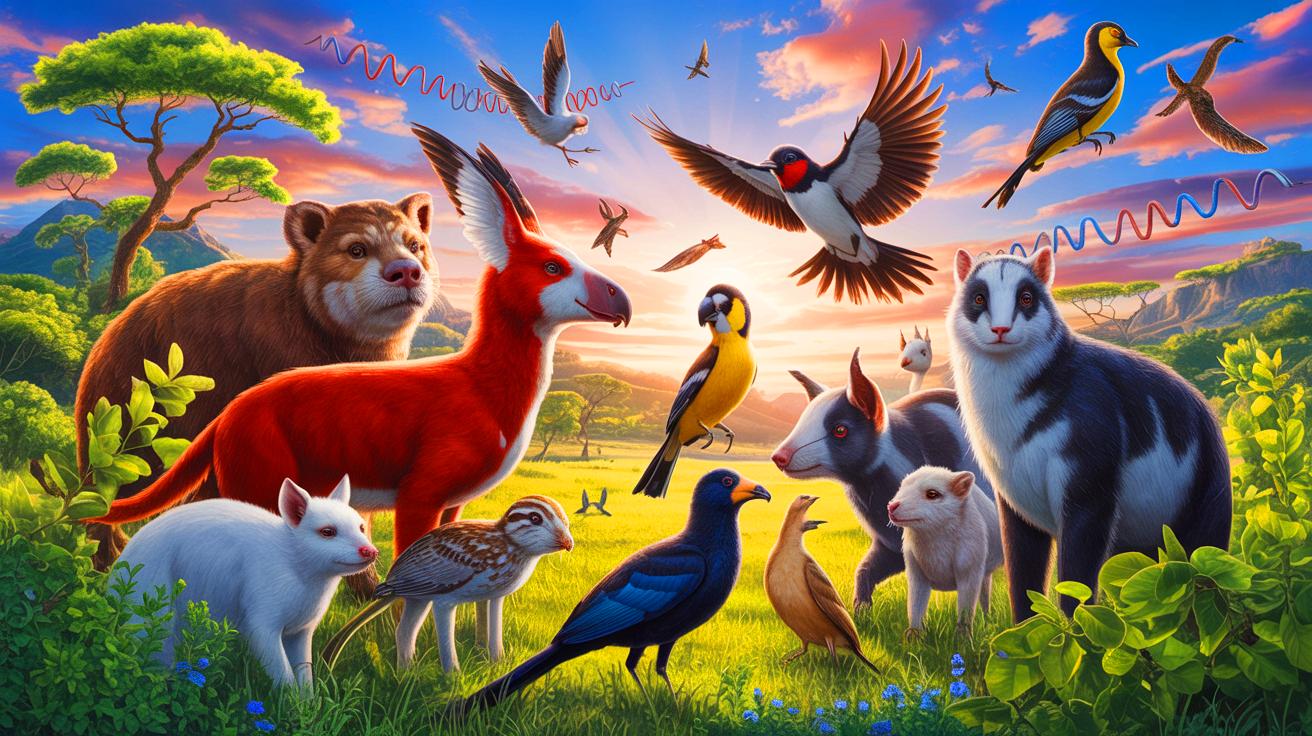
Longevity differences between men and women often resist a simple explanation, arising from a complex mix of biological and evolutionary factors. While behavior and lifestyle choices certainly shape life expectancy, recent research emphasizes the role of genetic mechanisms and reproductive strategies rooted in our evolutionary history. By examining trends observed across mammals and birds, scientists are uncovering biological constants that outline the contours of this age-old disparity.
The Influence of Sex Chromosomes on Longevity
Sex chromosomes play a pivotal role in determining lifespan. In mammals, females carry two X chromosomes, providing extra protection against genetic mutations. This chromosomal double advantage contrasts with the XY setup in males, where the Y chromosome is more vulnerable and carries fewer functional genes. This genetic difference could partly explain why women generally outlive men.
A study published in Science Advances highlights an intriguing reversal in birds. Males possess two Z chromosomes, granting them an advantage similar to that seen in female mammals. Females, with their ZW configuration, are genetically disadvantaged, often resulting in shorter lifespans. Yet there are exceptions, as in certain birds of prey, where females outlive males despite their chromosomal handicap. This indicates that chromosomes are only one piece of a broader evolutionary puzzle.
« Déchirer leurs proies plutôt que les broyer » : ces dinosaures carnivores dévoilent une stratégie de chasse fascinante et inédite
Reproductive Strategies and Parental Investment
Competition for reproduction leaves a significant imprint on mortality, especially among males. In numerous mammal species, males evolve energetically costly physical traits to compete, raising their risk of death. The struggle for mates and frequent clashes add pressures that shorten their lifespans.
Conversely, in monogamous species, these differences tend to shrink. Cooperation within pair bonds reduces these competitive pressures and favors longevity. Moreover, parental investment plays a crucial role: females, by providing care for the offspring, enjoy longer lifespans. This extended survival ensures the transmission of their genes, a strategy consistently favored by natural selection.
« 3 milliards de terriens paniquent face aux araignées » : une découverte stupéfiante révèle une invasion extraterrestre en cours
How Do Sex Chromosomes Affect Aging?
Sex chromosomes house vital genes. The X chromosome, abundant in essential genes, provides enhanced protection for females via its duplicated presence. This genetic redundancy translates into stronger disease resistance across the lifespan.
By contrast, the Y chromosome is gene-poor, making males more vulnerable to genetic mutations. This vulnerability tends to manifest over time as a higher susceptibility to illness. In birds, the pattern is similar but inverted, where females possess a depleted W chromosome and males benefit from two complete Z chromosomes, explaining their generally greater longevity in many species.
« Découverte stupéfiante d’hydrogène » : les scientifiques accusent les gouvernements de négliger l’impact sur l’environnement sous-marin
What Role Does Sexual Selection Play in Mortality?
Sexual selection pushes males toward extreme traits that demand substantial energy reserves. This heightened energy expenditure weakens immune defenses, increasing vulnerability to pathogens and accelerating aging.
Competitive behaviors amplify health risks. Fights for dominance can lead to serious injuries, while the relentless pursuit of mates exposes individuals to additional hazards. In polygynous species, where competition is intense, males devote considerable energy to reproductive rivalry, which takes a toll on long-term survival.
The unequal lifespan between the sexes emerges from a complex interplay of genetic factors and evolutionary strategies. Sex chromosomes, reproductive competition, and parental investment collectively shape this disparity. These elements raise questions about how these traits will evolve in the face of modern environmental and social changes.

Contact details
Address:
Farmers Forum,
36, Dominick Street,
Mullingar,
Co. Westmeath,
Ireland
Phone:
+353 (0)44 9310206
Or email us:
For technical issues please check out our FAQ's page or email - [email protected]
For general Queries email - [email protected]
Request to add event to our Calendar - [email protected]
Send us your mart reports - [email protected]
Suggestions and feedbacks - [email protected]
News Items / Press Release - [email protected]
To Advertise on Farmers Forum - [email protected]