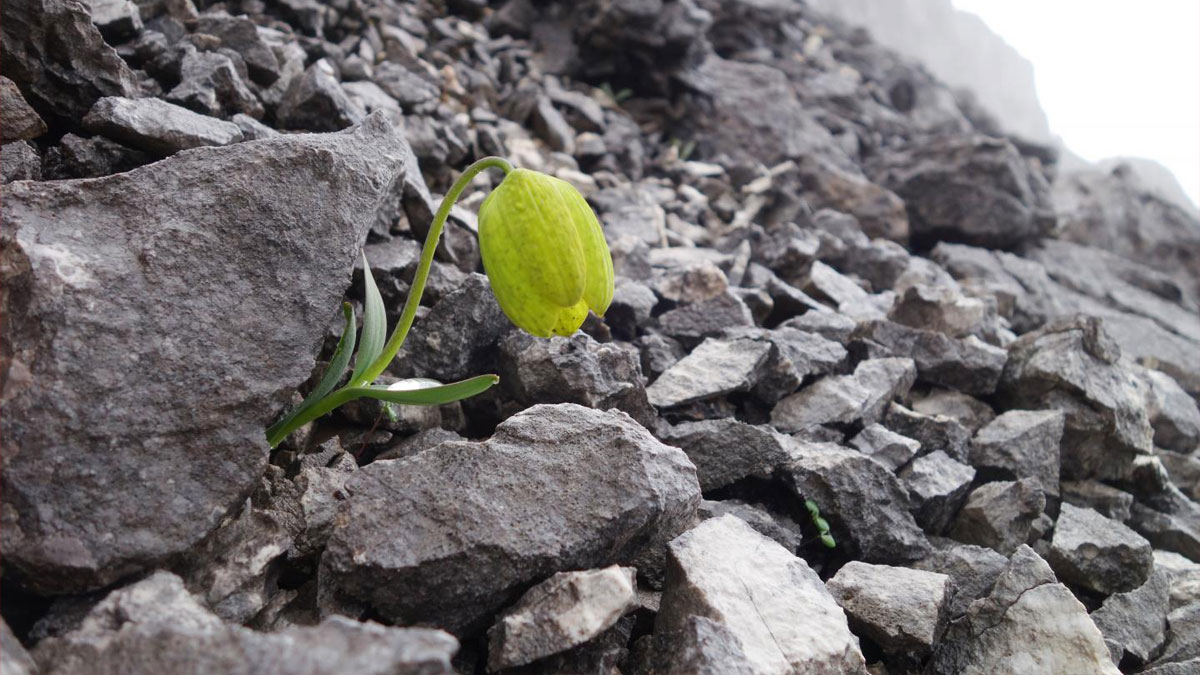
A mountain plant widely used in traditional Chinese medicine has developed a clever camouflage to blend into its natural surroundings and evade increasingly numerous foragers.
Highly Sought-After Plants
For thousands of years, this herb grows on the rocky slopes of the Hengduan Mountains. Fritillaria delavayi is a hardy perennial that, each year, yields only one flower, a vivid green, beginning from its fifth year. Used for more than 2,000 years in traditional Chinese medicine (where powder made from its dried bulbs is used to treat heart and lung ailments), it has seen its price soar in recent years due to strong demand, which has led to intensified harvesting.
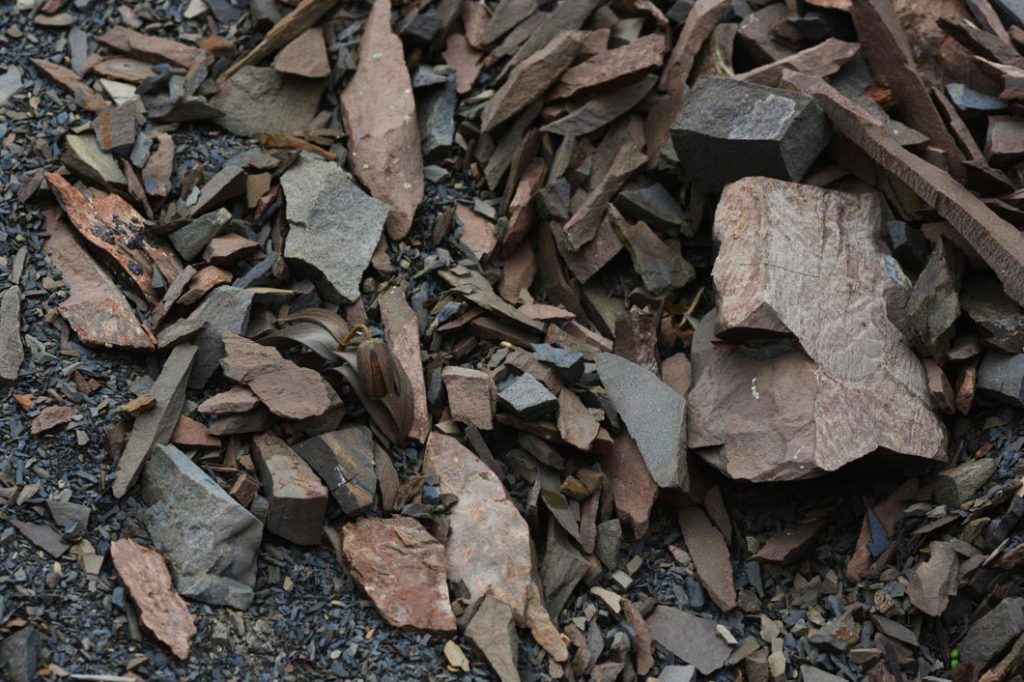
Facing this mounting pressure, the species rapidly adapted by producing grey-brown leaves and flowers, enabling it to blend more effectively into the rocky surroundings, especially in areas most frequented by foragers, thereby increasing its chances of survival.
« Like other camouflaged plants we have studied, we thought the evolution of this fritillary’s camouflage had been driven by herbivores, but we did not find such animals nearby », said Dr Yang Niu, co-author of the study published in the journal Current Biology. « We then realized that humans could be the cause. »
As part of this work, researchers from the Kunming Institute of Botany (China) and the University of Exeter (United Kingdom) used a spectrometer to measure how closely the plant’s coloration matched its environment, and identified the different zones where the bulbs were most often harvested. By cross-referencing these data, they found that the places where the plant’s coloration best imitated its surroundings corresponded to the most frequented sites.
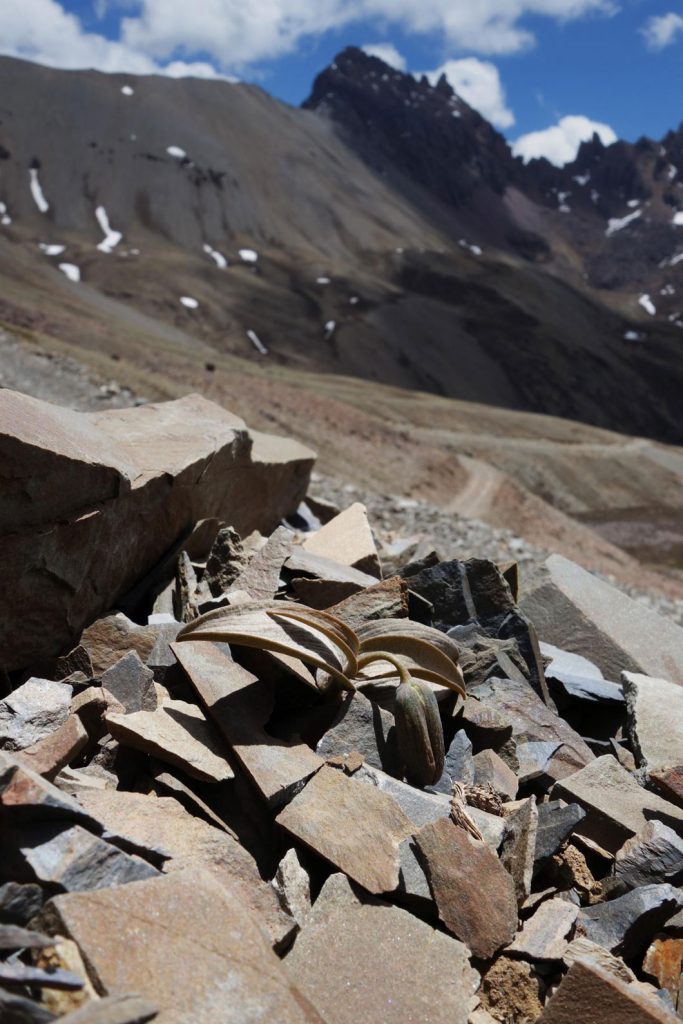
An Effective Camouflage
The camouflage’s effectiveness was confirmed by a computer-based experiment showing that participants took longer to identify plants that blended most seamlessly with their surroundings.
« It is astonishing to see the direct impact humans can have on the evolution and coloration of wild organisms », said Professor Martin Stevens, from the Center for Ecology and Conservation at the University of Exeter. « Many plants appear to use camouflage to hide from herbivores likely to eat them, but here we are witnessing camouflage evolve in response to human pressure. »
« It is possible that humans have been the catalysts for the evolution of defense strategies in other plant species, but, surprisingly, few studies have addressed this topic », the researchers conclude.
In 2024, a study linked the alteration of coloration in numerous insects to deforestation.

Contact details
Address:
Farmers Forum,
36, Dominick Street,
Mullingar,
Co. Westmeath,
Ireland
Phone:
+353 (0)44 9310206
Or email us:
For technical issues please check out our FAQ's page or email - [email protected]
For general Queries email - [email protected]
Request to add event to our Calendar - [email protected]
Send us your mart reports - [email protected]
Suggestions and feedbacks - [email protected]
News Items / Press Release - [email protected]
To Advertise on Farmers Forum - [email protected]