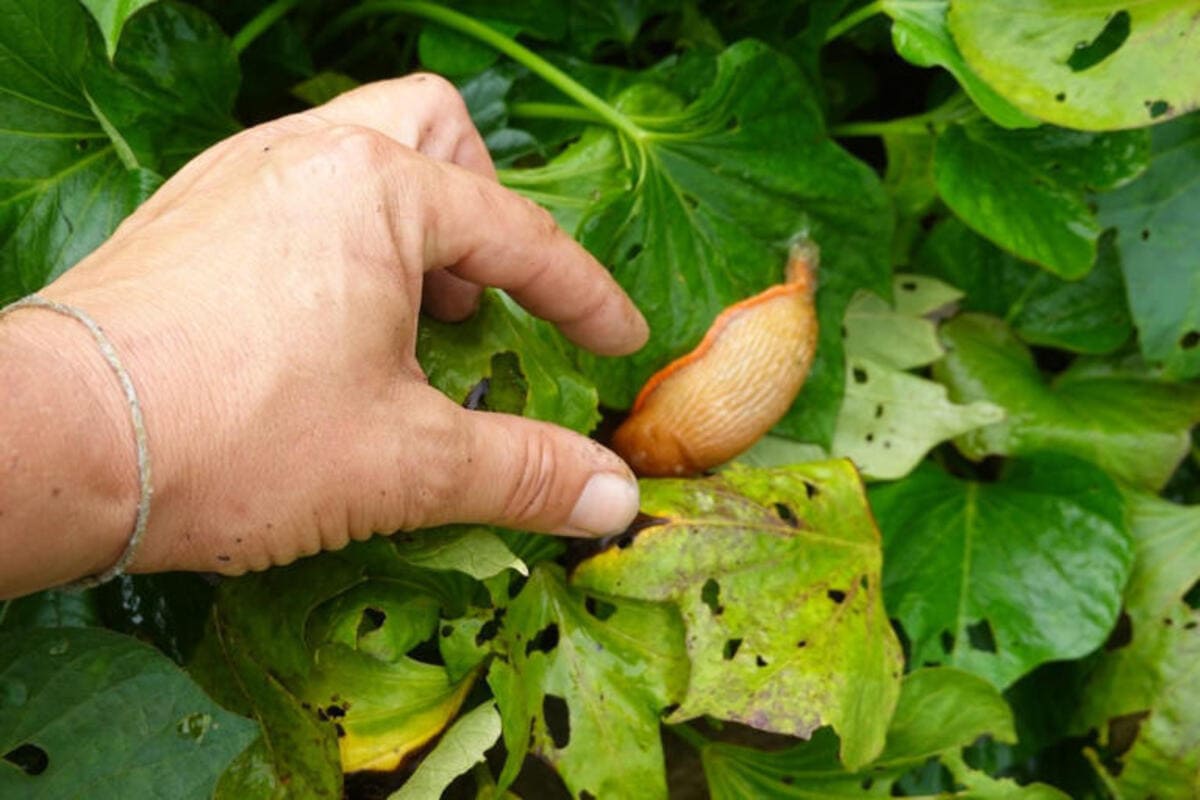
When lush beds of lettuce and tender kale start to vanish overnight, the culprit is often slugs. These quiet grazers can devastate young crops and leave shiny trails that make produce look less than appetizing. Before you reach for pellets, consider a greener tactic hiding in plain sight.
Why your vegetables need a natural shield
Slugs and snails are drawn to soft, moisture-rich leaves like lettuce and spinach. They also target ripening tomatoes and strawberries, chewing holes and spreading unwanted pathogens. Left unchecked, they stunt growth and turn garden beds into patchy, ragged scenes.
Chemical controls may work, but they can harm beneficial insects, pets, and soil. A smarter approach is to disrupt the pests’ senses with aromatic plants that set a boundary they prefer not to cross.
Meet mint: a simple, fragrant repellent
Few plants repel slugs as reliably as mint. Its strong, menthol-rich aroma overwhelms the pests’ chemosensory cues and makes nearby foliage far less appealing. The slightly coarse texture of the leaves also creates an unpleasant surface for soft-bodied mollusks.
“Since I ringed my salad bed with mint, I’ve watched slugs stop, hesitate, and turn back like they hit an invisible fence,” says one delighted gardener. That consistent deterrence is why mint earns a place in both kitchen plots and ornamental borders.
How to plant and deploy mint effectively
For best results, create a living perimeter of mint around vulnerable crops. Container planting is ideal because mint can spread aggressively through runners and quickly overtake open soil. Space pots every 30–45 cm to form a dense, continuous barrier.
If you need quick action, crush a handful of fresh mint leaves and scatter them around young seedlings. Refresh this aromatic mulch after rain or heavy dew, when scent fades and slugs are most active. Combine the leaf scatter with container rings to reinforce the edge.
Reinforcements that boost the barrier
Other aromatic allies strengthen the defense. Thyme brings resinous oils that slugs tend to avoid, while rosemary’s woody scent confuses their foraging instincts. Lavender adds a floral punch and welcomes pollinators while discouraging soft-bodied pests.
Garlic is another classic companion with sulfurous notes that slugs and snails detest on damp evening rounds. Interplant these herbs near leafy greens, brassicas, and strawberry mounds to protect high-value beds.
Practical tips and common mistakes
- Plant mint in containers to prevent spreading.
- Water in the morning to reduce evening moisture that attracts slugs.
- Remove dense ground clutter where pests hide during hot days.
- Reapply crushed leaves after rainfall to maintain strong scent.
- Avoid overfertilizing, which creates ultra-tender, slug-magnet growth.
- Combine aromatic borders with simple traps for integrated control.
Why this method works with nature
Aromatic borders push pests away without poisoning the food web. You’ll spare ground beetles, frogs, birds, and hedgehogs that naturally prey on slugs and help keep populations in long-term check. Healthy predator cycles mean fewer outbreaks and less work for the gardener.
Mint and its allies also improve habitat diversity, adding nectar for beneficial insects and color for a more resilient plot. Instead of a single control point, you get a layered system.
Extra pointers for tough seasons
During wet spells, moisture creates a perfect highway for slugs. Bolster the mint perimeter, lift low foliage, and keep soil surfaces open so wind and sun dry things faster. A thin, sharp-edged mulch like crushed eggshells can add mild physical resistance around tender rows.
Consider copper tape on container rims, which gives slugs an unpleasant microcurrent and complements the herbal shield. Rotate leafy greens so you’re not feeding pests in the same spot year after year.
Harvest, flavor, and control in one plant
Beyond pest control, mint earns its keep in the kitchen. Use fresh sprigs for teas, salads, and sauces while letting the bulk of the plant guard your vulnerable beds. Regular harvesting keeps growth compact and aroma high.
Choose varieties to match your taste and tolerance for spread, from spearmint’s sweetness to peppermint’s cooling punch. Whatever you pick, consistent fragrance is your strongest built-in ally.
The best time to act is now
Planting mint early in the growing season creates a scent line before pests peak in warm, wet weather. As days lengthen, new shoots knit together and amplify the protective cloud. Start small, stay consistent, and let fragrance do the quiet heavy lifting.
With a few containers, a handful of crushed leaves, and some complementary herbs, you can turn vulnerable rows into a resilient, low-toxicity haven. Your vegetables will thank you, and your evenings can be spent harvesting rather than waging a losing battle.

Contact details
Address:
Farmers Forum,
36, Dominick Street,
Mullingar,
Co. Westmeath,
Ireland
Phone:
+353 (0)44 9310206
Or email us:
For technical issues please check out our FAQ's page or email - [email protected]
For general Queries email - [email protected]
Request to add event to our Calendar - [email protected]
Send us your mart reports - [email protected]
Suggestions and feedbacks - [email protected]
News Items / Press Release - [email protected]
To Advertise on Farmers Forum - [email protected]