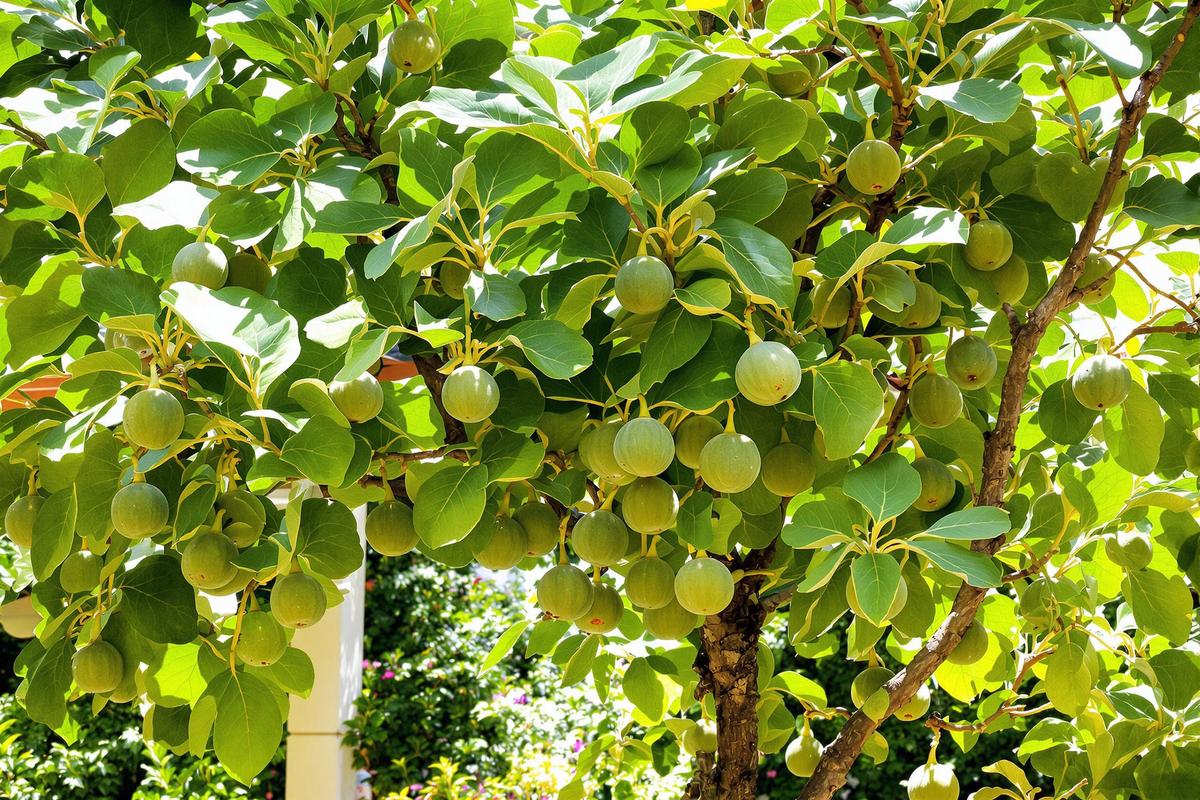
Among compact fruit trees, the humble Ficus carica is a surprisingly forgiving champion. This resilient species gives gardeners quick wins with minimal fuss. Whether rooted in a courtyard pot or edging a sunny border, it thrives with a mix of sun and benign neglect.
“Plant it once, water it sometimes, and enjoy harvests for years — the fig is a gardener’s quiet ally.”
Fast fruit on a small footprint
Figs often begin producing by their second season, a timeline that feels downright swift compared to many orchard trees. Young wood bears readily, turning modest pruning into a catalyst for steady yields. Choose a variety adapted to your locale, and you’ll be tasting sweetness long before more demanding species even settle in.
Tough by nature, not by chance
What sets figs apart is their innate resilience. Many cultivars shrug off winter lows that would fell fussier trees, and mature roots tap deep moisture to bridge droughts. This durability makes them ideal for water-wise landscapes, windy sites, and gardens that value low-input care.
Thrives in containers as well as ground
If space is tight, a fig in a large pot is both practical and beautiful. A 40–60 liter container, with generous drainage, supports strong growth and easy seasonal mobility. In cold regions, simply wheel it to shelter for winter, then return it to a sunny nook in spring.
- Use a well-drained mix: garden loam, compost, coarse sand, and quality potting soil.
- Choose a breathable container or add side vents to prevent soggy roots.
- Top-dress with compost yearly to refresh nutrients without overfeeding.
Minimal maintenance, maximum payoff
Figs prefer a light hand, not a heavy schedule. Water deeply yet infrequently, allowing the top layer of soil to dry between soakings. A modest spring feed with compost or a balanced organic fertilizer is plenty for steady growth.
Pruning made simple, cropping made easier
Skip complex cuts and aim for an open, sunlit framework. Shorten overlong shoots to encourage new fruiting wood while keeping the tree compact and reachable. Many varieties offer two crops: early “breba” figs on last year’s wood and a main crop on new shoots.
Resistant and rarely fussy
Figs face comparatively few serious pests, and most issues are cosmetic rather than catastrophic. Good airflow, clean pruning cuts, and mulch to moderate soil moisture prevent the bulk of common troubles. Birds adore ripe figs, so netting or timely harvests keep the share fair and sweet.
Propagation that anyone can master
With figs, cloning success is refreshingly high. Take dormant hardwood cuttings the thickness of a pencil, insert into a fast-draining medium, and keep evenly moist. In a season, you’ll have vigorous, true-to-type young trees to expand beds or gift to friends.
Smart placement for dependable harvests
Give your fig a warm, south- or west-facing spot with reflected heat from a wall for extra ripeness. In marginal climates, choose self-fertile, common-fig types that fruit without specialized pollinators. Mulch roots to even out moisture and protect shallow feeders from summer spikes.
Varieties worth seeking out
Match the cultivar to your climate and flavor goals. Some shine in cooler zones, others excel in long, hot seasons packed with sun. Start with reliable, widely available names to stack the odds in your favor:
- ‘Brown Turkey’ — famously adaptable, with sweet, mild fruit and steady crops.
- ‘Violette de Solliès’ — richly flavored, dark-skinned figs prized for fresh eating.
- ‘Marseilles’ (Blanche) — pale, honeyed flesh with excellent cold tolerance.
- ‘Celeste’ — compact habit, closed eye to resist splitting and rain.
Harvest timing and kitchen magic
Pick when fruits droop, soften, and exude a drop of syrup at the eye. A perfectly ripe fig tastes like summer folded into velvet, best enjoyed straight from the tree or paired with salty cheese. Grill with thyme and honey, spoon over yogurt, or roast into jammy, zero-fuss desserts.
Grow one fig, and you’ll understand why seasoned gardeners call it a quiet, all-terrain workhorse. It asks little, gives much, and rewards patience with bowls of perfumed, sunlit fruit. For small spaces, busy schedules, and big flavor dreams, this compact tree is hard to beat.

Contact details
Address:
Farmers Forum,
36, Dominick Street,
Mullingar,
Co. Westmeath,
Ireland
Phone:
+353 (0)44 9310206
Or email us:
For technical issues please check out our FAQ's page or email - [email protected]
For general Queries email - [email protected]
Request to add event to our Calendar - [email protected]
Send us your mart reports - [email protected]
Suggestions and feedbacks - [email protected]
News Items / Press Release - [email protected]
To Advertise on Farmers Forum - [email protected]