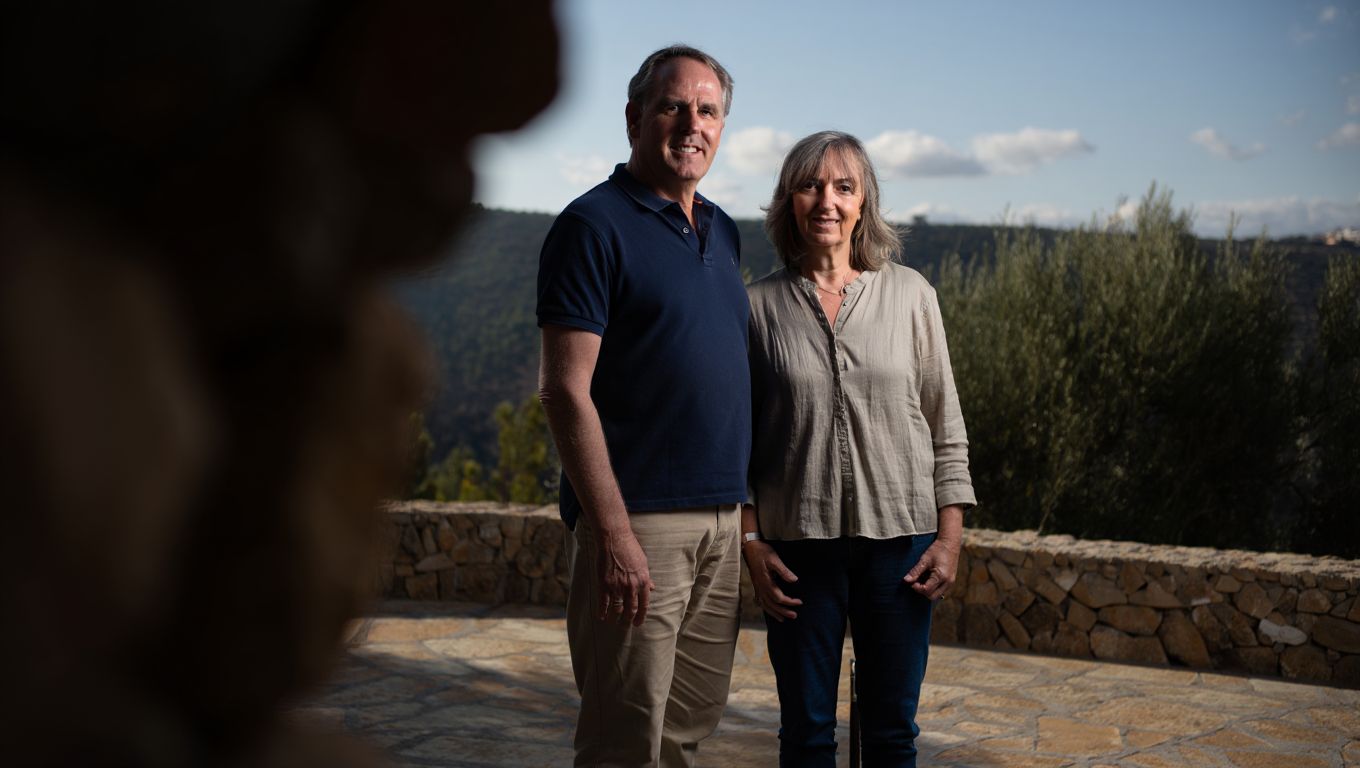
They arrived with two suitcases, a borrowed map, and a promise to give it time. Six months later, the hills above Alicante feel like a long exhale—citrus in the air, cicadas in the hedges, white houses scattered like chalk on green. Eimear and Pádraig from Sligo still count the days in cups of coffee and the slow turn of the valley’s light.
“Spain wasn’t an escape,” Eimear says, leaning on a terrace wall warm from the mid-morning sun. “It was a pivot. We wanted to live a little louder, but also somehow slower.”
From drizzle to dry stone
Their rented casita sits on a ridge, the kind of place with a stubborn almond tree and a gate that sticks in heat. The first week was a tumble of tiny wins: figuring out the gas bottles, wrestling with the stubborn shutters, learning that the bakery is open when the lights look off.
They’d planned this move for years, sketching budgets and reading forums, but nothing prepared them for the silence after dark—thick, almost lavish. “Back home it was wind, radio, and the quick weather,” Pádraig says. “Here, it’s the kind of quiet that lets your bones unclench.”
A day shaped by the light
They rise just after sunrise, when the hills are glazed with peach and the village dog choir holds its last note. Breakfast is bread still warm, tomatoes crushed like ruby, olive oil cut with a fingertip of salt. Work begins under a fan, laptops angled away from the noon-day glare.
By late afternoon they walk the ridge-line path, passing terraces held up by ancient walls and the half-wild rosemary’s spice. “It’s a life that asks you to listen to the weather, even when there’s barely any change,” Eimear says with a small laugh.
Finding a place in a place
The first real anchor was their neighbor, Rocío, who waved them into her kitchen with a wet apron and a bowl of glowing oranges. She taught them the words you can’t trap in apps—the flattering ones, the rude ones, the ones that open doors.
Spanish is still a stitched quilt for them, part grammar, part gesture, part grinning it out with patience. “We’re not trying to be perfect,” says Pádraig. “Just present.”
The thing they didn’t expect to miss
Ask what tugs at their hearts and they won’t say pints, or pubs, or the rush of a Friday night. They say the rain. “The soft kind that lasts all day,” Eimear says. “The fog on the mirror, the coat you never quite dry.”
On rare wet mornings here, the valley looks borrowed—pines darker, earth breathing steam, roofs beading like little drums. “We stand at the door and pretend we’re in a Sligo lane,” she adds. “We let the damp find our hair and it feels like a visit.”
Counting the costs and the gifts
Money isn’t a fairytale here. Rent is lower than in coastal hotspots, but a car is essential, and bureaucracy appreciates multiple photocopies. Electricity can jog higher in summer when the fans never stop their hum.
Still, groceries from the market feel honest—greens that taste like greens, eggs with a sturdy yolk, fish that smells like a distant harbor. “We cook like our grandparents on Sundays,” says Pádraig. “Pots low and slow, salt like a whisper.”
The social mosaic
They’re learning the rhythms of saint’s days, the quiet lull of a closed shutter, the late dinner that unspools like soft yarn. Friends found them, the way water finds a line—a German painter, a Valencian nurse, a pair of retirees who bike like meteors.
“You arrive thinking about your escape, and then you realize you’ve joined a chorus,” Eimear says. “No one sings the same note, but it works.”
What they wish they’d known
Some lessons arrived with a thud, others like birdsong. If you’re thinking of doing the same, they offer this pared-back list:
- Learn ten local phrases you’ll actually use, then wear them thin.
- Double your estimated paperwork time, and halve your expected stress by asking a local for help.
- Visit in your least favorite season, not your best.
- Tie your days to a walk, not a screen.
- Keep a small “rain fund” for surprise trips home.
Work, but differently
The pair still freelance for Irish clients, but the calendar feels more like a companion than a boss. Deadlines exist, yet so do the swifts that carve the sky at dusk, and the neighbor who shows up with a basket of figs that can’t possibly wait.
“Productivity sneaks in when you respect your body and the heat,” says Pádraig. “We step away before the brain gets brittle.”
Weather as a metronome
Summer teaches patience, winter teaches attention. In January the hills are flinty and blue, with a crackle that reminds them of Atlantic mornings. By July, everything slows to a careful whisper, shutters down, chores planned like a small heist around the sun.
Every season writes its own rules, then tears them into confetti on some unplanned Tuesday.
Why it feels like home
Home, they’ve realized, is a set of habits wrapped around a few stubborn joys. A coffee mug that fits your hand, a view that forgives your worst moods, faces that know your early steps on the stairs.
“We came for the idea of a better life,” Eimear says, watching a cloud that refuses to grow. “We stayed because the ordinary here feels strangely new, every single day.”
And when a grey sky finally drifts over the ridge, they don’t hide from it or pretend it’s not there. They open every window, make tea, and let the soft Atlantic memory find their small Spanish rooms—a quiet, familiar drizzle echoing across the tiled floor.

Very poetic and evocative language describing their reflective experience, i think there is the basis for a publication in the imagery of the quotidian presented…a good read!