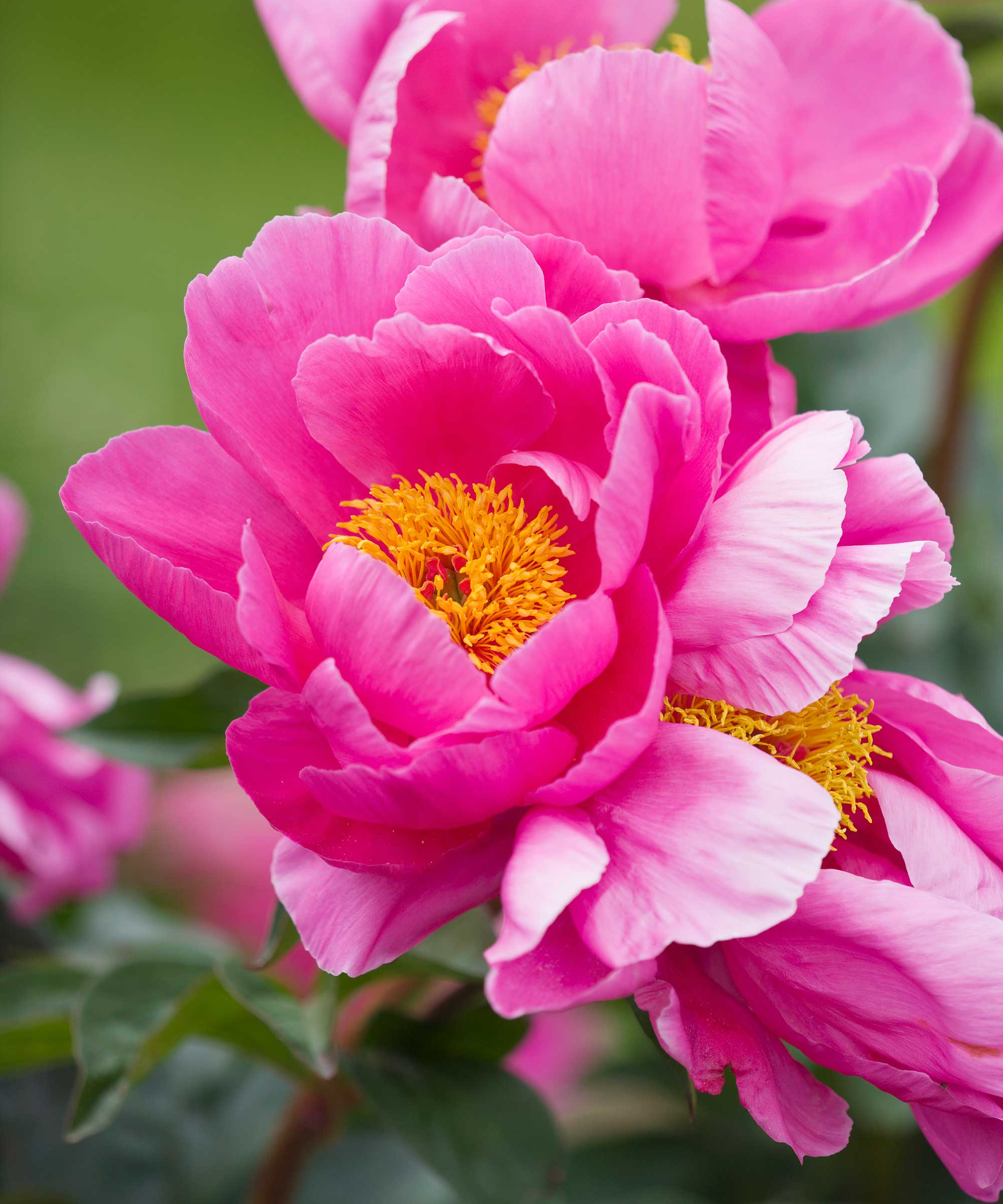
Peonies are the kind of garden classic that reward a little foresight with decades of bloom. Their huge cups, lush foliage, and often heady fragrance are hard to resist. But to help them thrive, where you plant them matters as much as how you care for them. Choose the wrong spot, and you invite weak flowering, disease pressure, or outright failure.
“Give peonies a site with good light, drainage, and permanence, and they’ll thank you for a lifetime,” says one seasoned grower. That simple principle underpins every expert warning below.
Poorly draining soil
Peonies hate sitting in water, and heavy clay that stays soggy is a fast route to crown rot. Waterlogged conditions promote fungal diseases, stunt roots, and reduce spring buds. If your soil holds moisture, you’ll need to improve structure before you plant.
Opt for a raised bed, and amend with coarse sand or fine gravel for better percolation. Work in rich compost to boost soil tilth without trapping excess water. Plant crowns at the correct depth, then mulch lightly so the eyes never sit too deep or too wet.
Not enough sun
Peonies are not shade lovers, and too little sun quickly translates to fewer blooms and floppier stems. Aim for at least six hours of direct light daily, especially in cooler regions where full sun is the safe bet. In hot climates, a touch of afternoon shade can prevent heat stress without curbing flowers.
Avoid sites shadowed by walls, dense shrubs, or tall fences through most of the day. In dim conditions, plants stretch, set fewer buds, and drop petals early. Good light builds strong stems, abundant buds, and brighter, longer-lasting color.
Temporary spots
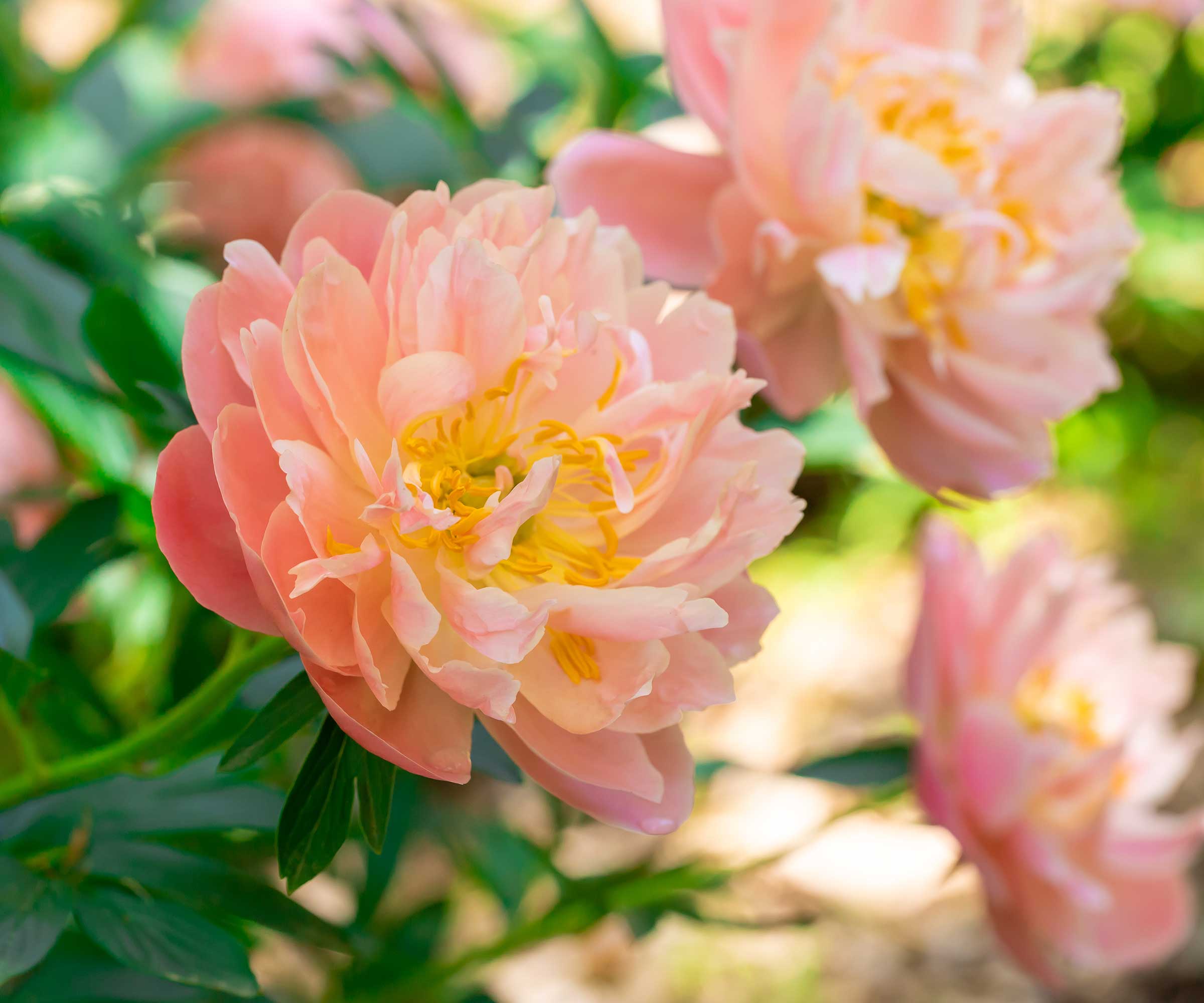
Peonies are famously long-lived perennials, and they dislike frequent moves. Transplanting often delays flowering by a year or two, and repeated disturbance sets plants back. Choose a position you can commit to, with space for mature spread and adequate light.
If redesigns are likely, plant where future paths, trees, or new beds won’t force a move. When relocation is unavoidable, do it in early fall, lifting large root clumps carefully and resetting at proper depth. Water well, then be patient as plants re-establish and rebuild vigor.
Beneath trees
Trees compete relentlessly for light, water, and nutrients, putting peonies at a lasting disadvantage. Canopies intercept crucial sun, and woody roots outcompete fleshy peony roots for every drop. Even if the spot feels bright in winter, summer leaves will often tip it into shade.
Avoid allelopathic neighbors like black walnut that release growth-inhibiting chemicals into the soil. Even at a distance, juglone can cause yellowing, wilting, and slow decline. If you must plant near a tree, move to the canopy’s edge, where roots are sparser and light stronger.
Small containers
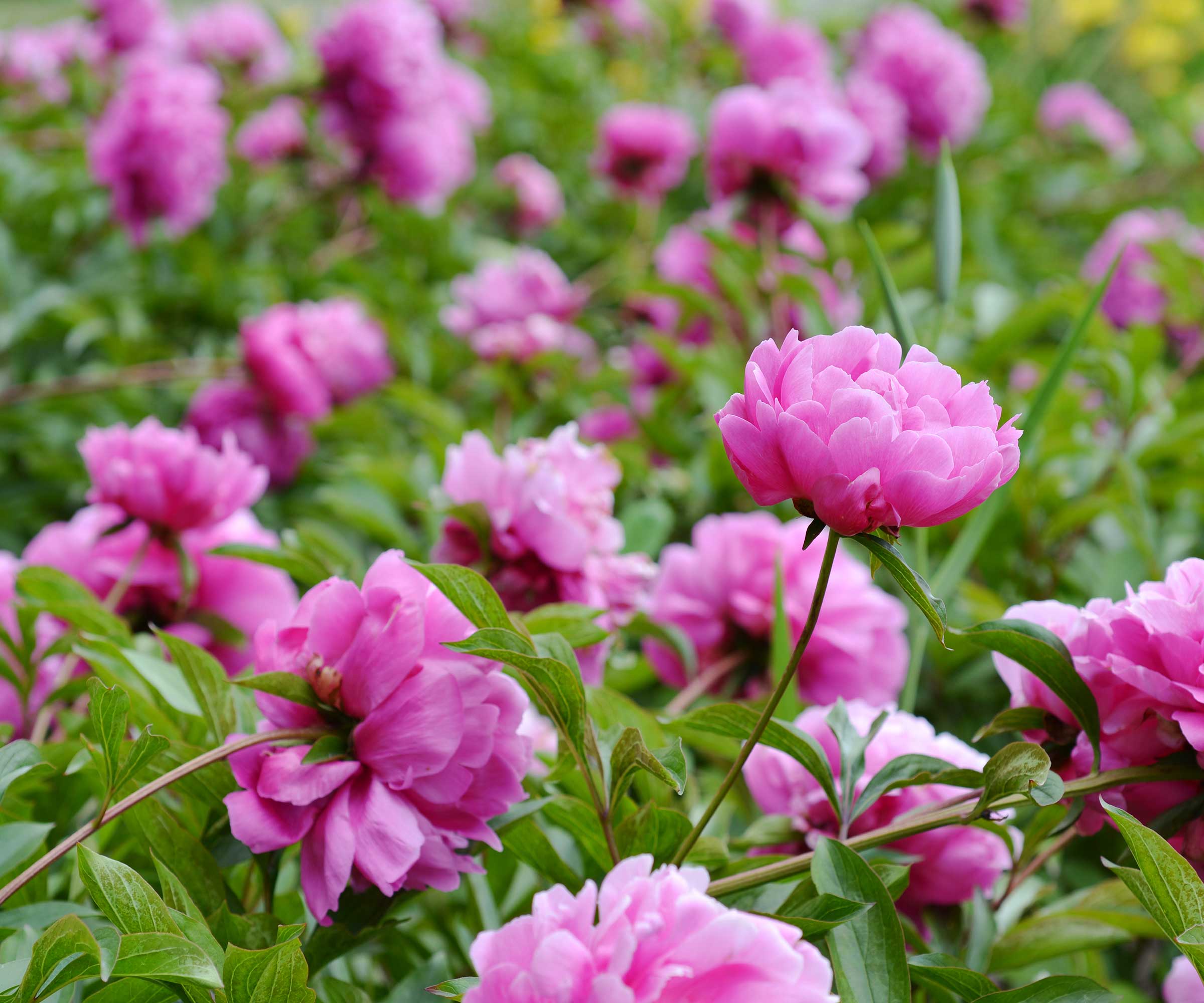
While peonies can grow in large planters, small pots are a poor match for their thick, storage-heavy roots. Tight quarters restrict growth, impair drainage, and raise the risk of root rot. Containers also swing between temperature extremes, stressing early buds.
If you’re determined to pot-grow, choose a deep, wide container with generous drainage holes and a free-draining, compost-rich mix. Position away from frost pockets and harsh wind, which can blast new shoots. Even then, expect more care and slightly fewer flowers than in open ground.
Quick pre-planting checks
- Pick a site with consistent, direct sun and strong air flow.
- Test drainage by filling a spade-deep hole with water; it should drain within a few hours.
- Space plants for mature width and easy airflow, reducing leaf disease.
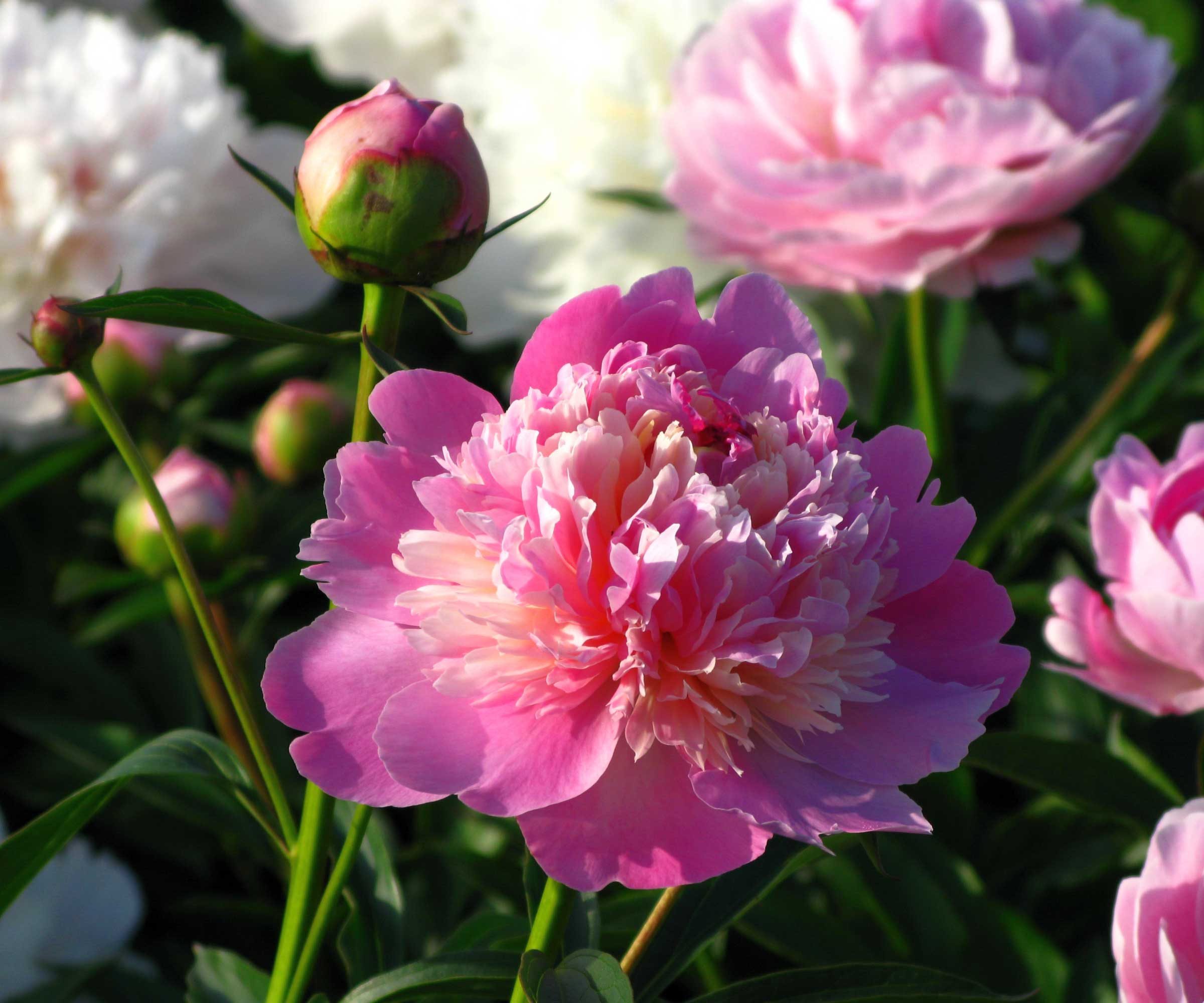
- Set eyes just below the surface: about 2 inches in cool zones, 1 inch in warm zones.
- Water to settle new plants, then avoid chronic over-watering.
FAQs worth knowing
How deep should you plant peonies? Depth strongly affects blooming. In colder areas, keep eyes about two inches down; in warmer zones, just one inch deep. Planting too deep often means plenty of leaves but few or no buds.
Can you grow peonies indoors? These perennials need winter chill to set flowers, and indoor light is rarely adequate. Without that seasonal cue, plants may live but won’t reliably bloom. In very warm zones, consider heat-tolerant cultivars or peony-like alternatives.
Choose sun, drainage, and permanence, and your peonies will repay the favor with spectacular early-summer color. With the right site, routine staking, light spring feeding, and mindful deadheading, you’ll enjoy bigger, better blooms year after year.

Contact details
Address:
Farmers Forum,
36, Dominick Street,
Mullingar,
Co. Westmeath,
Ireland
Phone:
+353 (0)44 9310206
Or email us:
For technical issues please check out our FAQ's page or email - [email protected]
For general Queries email - [email protected]
Request to add event to our Calendar - [email protected]
Send us your mart reports - [email protected]
Suggestions and feedbacks - [email protected]
News Items / Press Release - [email protected]
To Advertise on Farmers Forum - [email protected]