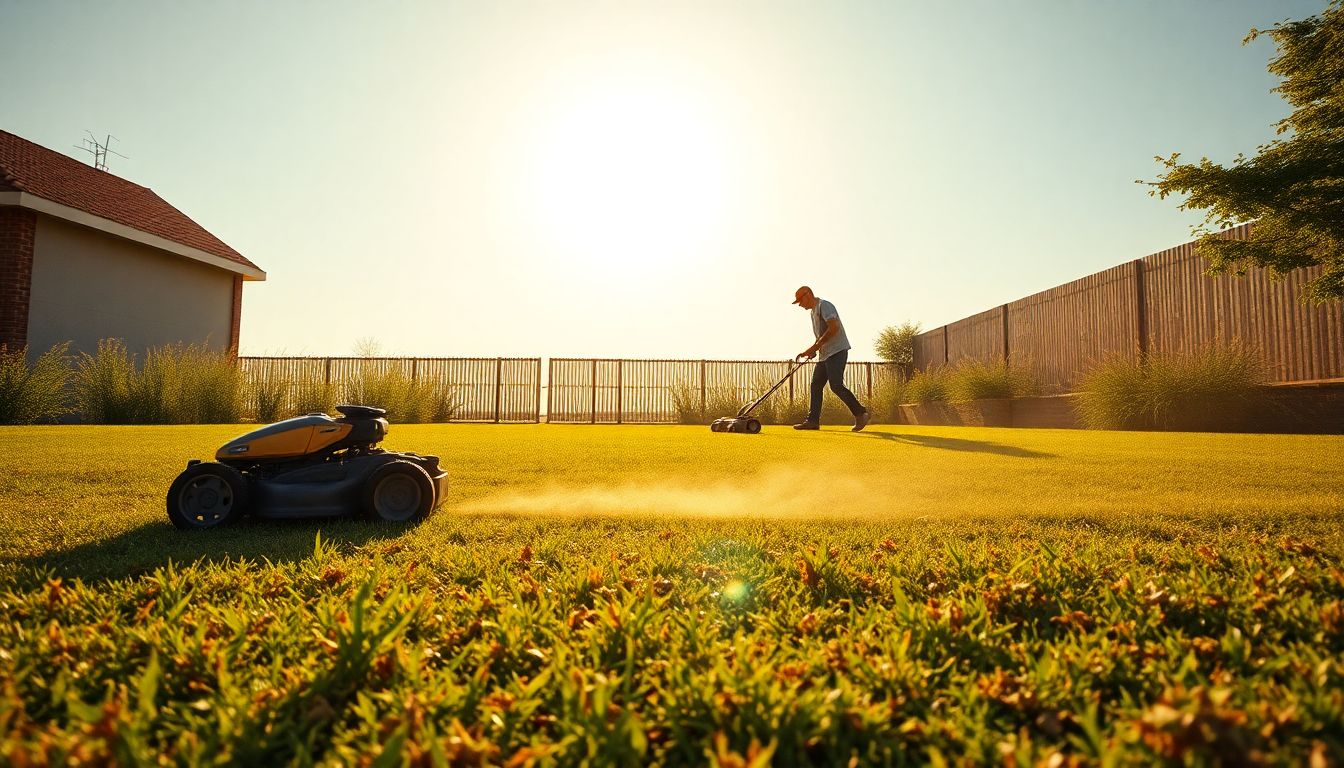
Scorching summers are getting hotter, and your lawn feels the heat as much as you do. Grabbing the mower when the thermometer is spiking might seem productive, but it’s a costly mistake. In extreme weather, mowing inflicts stress, accelerates dehydration, and can cause lasting damage to your turf’s delicate systems.
Immediate damage in extreme heat
When temperatures climb, grass is already in survival mode, conserving moisture and slowing growth. Cutting blades remove protective leaf surface, exposing soil to direct sun, which drives rapid evaporation. The result is compounded water stress and a quickly parched lawn.
Freshly cut tips act like tiny open wounds, vulnerable to harsh UV radiation. Those cut edges scorch, turning yellow or brown, and many blades won’t recover. What you see as cosmetic streaks often becomes dead patches that invite further decline.
“Skip the mow on scorching days; grass can recover from length, not from heat scorch.”
Sun scorch and weakened roots
Extreme heat forces grass to choose between leaf regrowth and root resilience, and mowing tilts resources toward fragile foliage. That shift stunts roots, making them shorter, weaker, and less able to chase moisture deep in the soil. After one hot-day mow, recovery can take weeks—or never fully happen.
Shorter turf exposes the soil surface, where it bakes and cracks, further limiting water infiltration. Without shade from taller blades, microbial allies and earth-dwelling insects also suffer, weakening the whole ecosystem.
The hidden fallout you’ll see later
Even if the lawn looks “fine” right after a hot mow, cumulative damage builds quietly. You’ll soon notice a cascade of problems that cost more time, effort, and water to fix.
- More invasive weeds exploit thin turf and bare spots, especially heat-tough species like dandelion and plantain.
- Soil compaction worsens under mower weight on dry ground, reducing air and water movement.
- Beneficial biodiversity drops as pollinators and predators lose essential habitat in overly short grass.
Smarter summer mowing
If you must mow in summer, let conditions guide your timing. Aim for cool mornings, and avoid days above about 28°C/82°F, when evaporation and plant stress spike. A few cooler days before a heat wave are your safest mowing window.
Raise the cutting height to 6–10 cm (2.5–4 in) for stronger roots and better soil shade. Taller turf reduces evaporation, shields the crown, and suppresses opportunistic weeds. Keep blades sharp to make clean cuts that heal faster.
Whenever possible, switch to mulching, which returns finely chopped clippings to the surface. Those clippings act as a light mulch, curbing moisture loss and feeding beneficial microbes. It’s a small change with outsized benefits for summer resilience.
What to do instead of mowing
Prioritize smart watering only when allowed by local rules, and water deeply but infrequently. Early mornings reduce loss to evaporation, and soaking to root depth builds true drought tolerance. Avoid evening watering during muggy spells to limit fungal diseases.
Consider “grasscycling,” letting turf go dormant during peak heat without chasing constant green. Dormant grass looks straw-colored but typically rebounds with cooler weather and meaningful rain. Focus care on key areas—paths, play zones, or patio edges—and let the rest rest.
Build heat resilience before it’s hot
Resilience begins with the right species and soil care long before summer arrives. Choose drought-adapted mixes like tall fescue for deeper roots and steady performance. Diverse blends spread climate risk and speed overall recovery.
Aerate compacted soil in spring to open pores for air and water, and top-dress with quality compost. Improved structure boosts root depth, microbial activity, and moisture retention through hot spells. Fertilize wisely, favoring slow-release, organic sources and potassium-forward formulas.
Rethink the picture of a perfect lawn
The golf-green ideal is increasingly costly, both ecologically and financially. A slightly taller, mixed-species sward—with clover and small daisies—is more water-smart and wildlife-friendly. Those so-called imperfections often signal a healthier, more resilient lawn.
For low-traffic zones, explore partial alternatives such as flowering meadows, drought-hardy ground covers, or Mediterranean-style beds. These choices cut maintenance demands, bolster biodiversity, and reduce heat-stress across your garden.
By skipping the mower on scorchers, you spare your lawn double punishment and set it up for lasting strength. With cooler timing, higher heights, and soil-first care, your turf uses less water, resists more heat, and looks better for far longer.

Contact details
Address:
Farmers Forum,
36, Dominick Street,
Mullingar,
Co. Westmeath,
Ireland
Phone:
+353 (0)44 9310206
Or email us:
For technical issues please check out our FAQ's page or email - [email protected]
For general Queries email - [email protected]
Request to add event to our Calendar - [email protected]
Send us your mart reports - [email protected]
Suggestions and feedbacks - [email protected]
News Items / Press Release - [email protected]
To Advertise on Farmers Forum - [email protected]