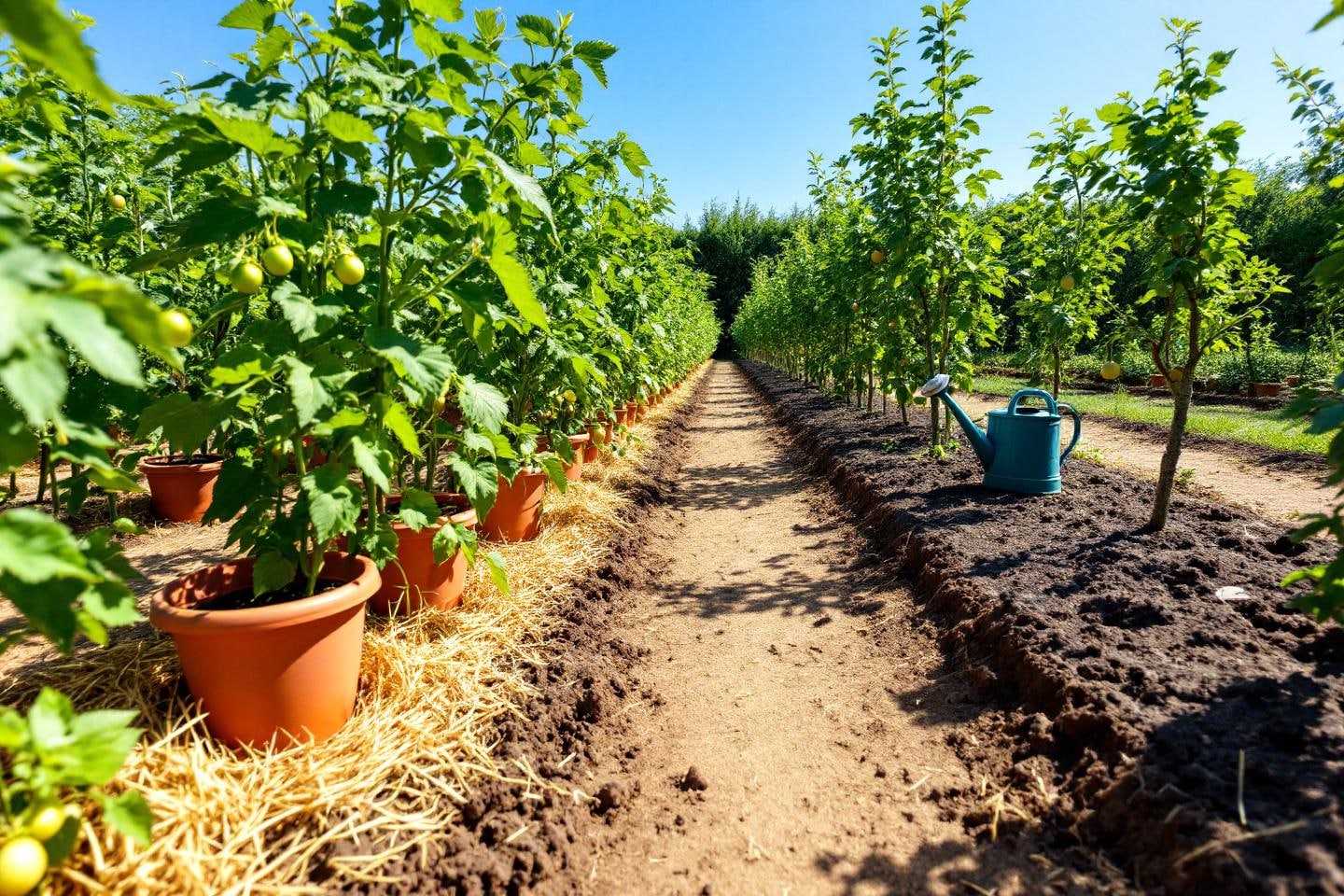
July often pushes gardens to their limits, yet a few smart preparations keep crops thriving while you’re away. With the right mix of shade, water, and protection, your beds stay cool, your soil stays moist, and your harvest stays on track. These six ideas are simple, reliable, and perfectly tuned to a searing July.
Mulch like a pro before you go
A thick, even layer of mulch locks in soil moisture and shields delicate roots from blazing heat. Opt for straw, shredded wood, or hemp for a breathable, long-lasting blanket that blocks evaporation and suppresses weeds.
Aim for a 5–8 cm layer, keeping mulch slightly off plant stems to prevent rot and discourage hungry slugs. Water deeply first, then mulch the evening before your departure to trap a cool, damp reservoir around the root zone.
If you garden in hot, windy regions, blend in finely shredded clippings or dry leaves for extra insulation. The right texture slows crusting, while still letting water and air move freely.
Water on autopilot with deep, targeted delivery
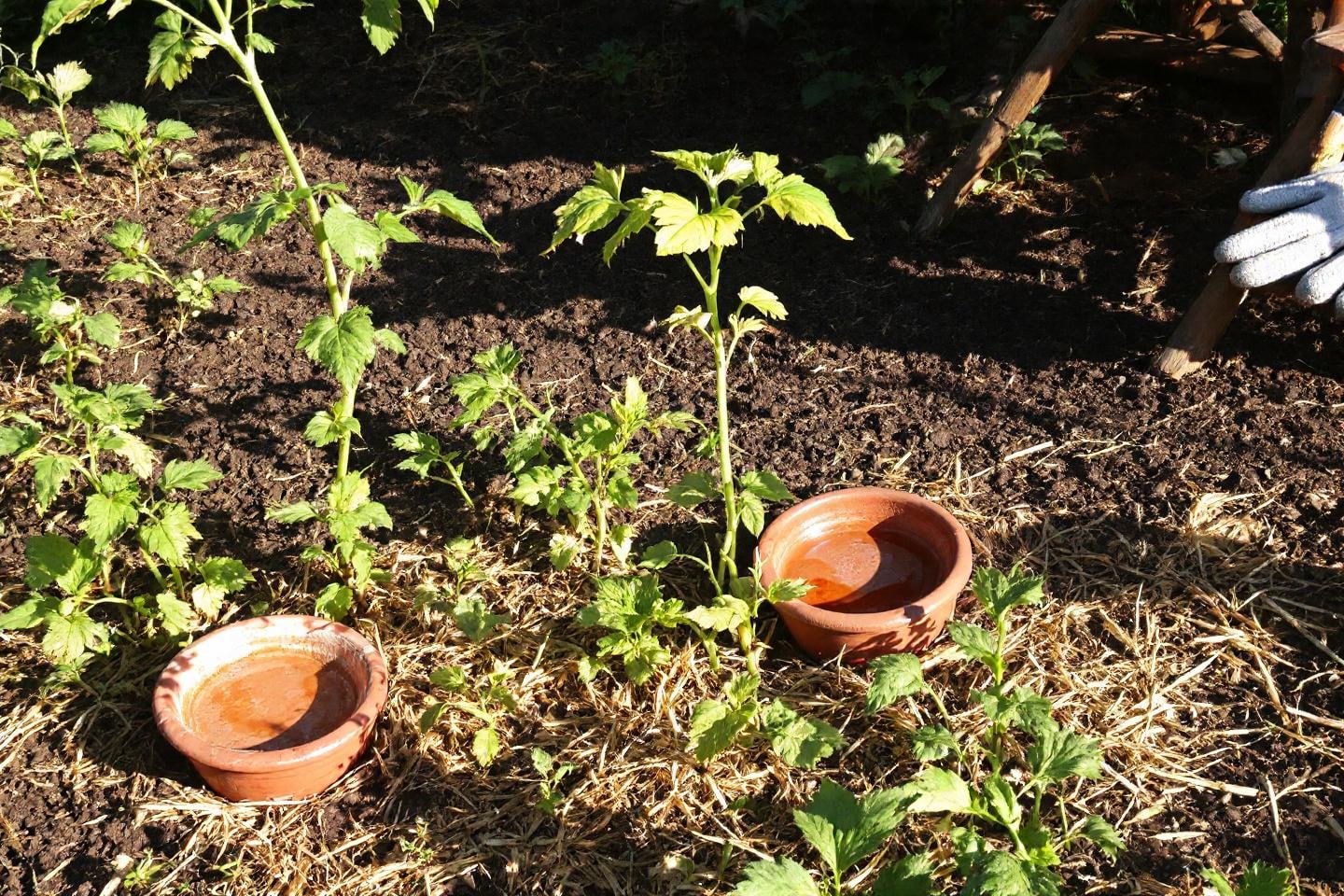
Terracotta oyas and drip lines offer steady, efficient hydration that plants can actually use. Bury oyas near thirstier crops, then top them up fully—water seeps as roots demand, reducing waste and surface evaporation.
Before leaving, give a deep soak that penetrates to the lower horizons, not just the top two centimeters. Morning or evening watering curbs losses and sets a generous moisture buffer for scorching spells.
Test your setup 48 hours in advance so each line drips and every oya drinks. For extra insurance, form shallow basins around heat-prone plants to funnel water directly where it matters.
Cast shade where heat hits hardest
Temporary shade cuts leaf stress and sunscald during peak hours. Stretch old sheets, mesh, or burlap across simple frames or branches to soften light without choking airflow.
Tall companions like sunflowers, corn, or runner beans create living parasols that cool neighboring lettuces, strawberries, and young seedlings. This green scaffolding keeps soil cooler and slows precious moisture loss.
For rapid results on patios or balconies, place a light fabric screen on the west side to deflect late-day furnace rays. The goal is filtered sun, not total shade.
Regroup containers and build gentler microclimates
Containers overheat and dry out fast, so cluster pots in bright, open shade near a wall facing north or east. Grouping reduces exposure and shares a humid bubble that slows transpiration and root stress.
Raise pots slightly on feet so runoff drains, then add saucers filled with a thin gravel layer to prevent waterlogging while boosting local humidity. Light-colored containers reflect heat better than dark, heat-soaking plastic.
Self-watering reservoirs, capillary wicks, or a damp capillary mat under trays extend intervals between top-ups. Pair these with oyas or drip stakes for double security during longer stays.
Safeguard against pests, heat spikes, and sudden squalls
A quiet garden tempts opportunistic pests, so set lightweight nets over ripening fruit and tender young greens. Physical barriers deter birds and slugs without chemical fallbacks or daily checks.
Lay a few flat stones near heat-sensitive plants to buffer soil peaks and stabilize nighttime cooling. Keep shallow water trays for allies like hedgehogs and ladybirds that patrol for pests and balance your ecosystem.
If a trusted neighbor can visit, leave clear notes on what to water, what to harvest, and what to ignore in a heat wave. Friendly eyes catch small issues before they become big setbacks.
- Deeply water, then mulch thick for a cool root-zone “battery”
- Top up oyas and test drip lines for even, steady output
- Rig light shade over the hottest, most vulnerable beds
- Cluster containers in bright shade with humidity helpers
- Net fruit, remove damaged produce, and steady loose stakes
Harvest, thin, and plan the easy restart
Pick anything already ripe or nearly there so plants don’t exhaust themselves while you’re away. Thin crowded fruits and remove damaged leaves to reduce stress and improve air flow.
Stake tall stems, tighten ties, and remove weak side shoots that would wilt under extreme sun. Clean the soil surface, then top up mulch where it looks patchy or thin.
“Water deep, mulch thick, shade smart—then let the garden breathe,” is the quiet mantra seasoned gardeners repeat, especially before midsummer getaways.
When you return, scan for crispy tips, wilting flags, or yellowed patches, then respond with a slow, soaking drink and a light dressing of mature compost. A quick tidy revives growth, stabilizes yields, and resets your summer rhythm.
With thoughtful prep, your beds stay resilient, your fruit sets stay steady, and your soil stays alive—so you can travel lighter, breathe easier, and come home to a garden that still feels vibrant, productive, and unmistakably yours.

Contact details
Address:
Farmers Forum,
36, Dominick Street,
Mullingar,
Co. Westmeath,
Ireland
Phone:
+353 (0)44 9310206
Or email us:
For technical issues please check out our FAQ's page or email - [email protected]
For general Queries email - [email protected]
Request to add event to our Calendar - [email protected]
Send us your mart reports - [email protected]
Suggestions and feedbacks - [email protected]
News Items / Press Release - [email protected]
To Advertise on Farmers Forum - [email protected]