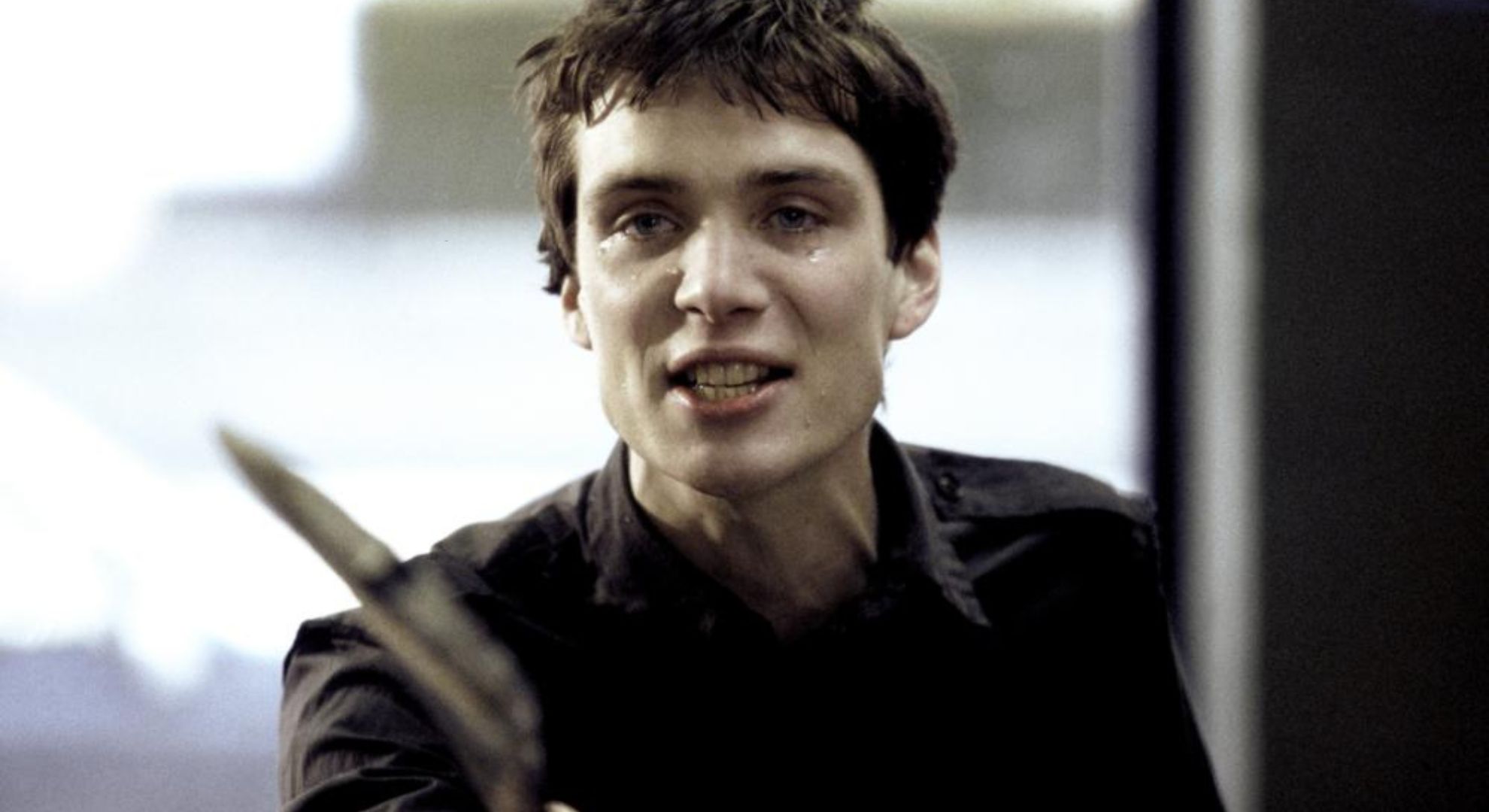
It began as a whisper on an old cassette, the kind you’d stash in a shoebox and forget. Someone digitized it, then someone else passed it along. Within days, a raw, cracked-voice confession from an Irish set in the late ‘90s—taped a quarter-century ago—was playing out of phone speakers in kitchens and pubs. “I almost quit acting that day,” the voice says. A beat. A breath. “I was done.” The room tone hums. A chair scrapes. And suddenly, the past feels present again.
The film itself—small budget, big heartbeat—has since become a midnight staple, a slow-burn classic traded through dorm rooms and living rooms, its dialogue quoted like neighborhood myth. Yet the recording pulls back the curtain to reveal a day that felt like the end before the beginning. No headlines, no bravado—just a young performer, panicked and exhausted, wondering if the dream was a mistake.
What resurfaces is not scandal; it’s a compact x-ray of the creative process. The ache between ambition and reality. The mess before the music. And the strange, stubborn magic of a film that somehow still breathes.
A set that felt like a storm
The memory comes in fragments. There was rain that wouldn’t stop. A location that was “borrowed” with a wink and a prayer. Wires snaked through puddles while a harried assistant guarded a temperamental generator like a holy relic.
“I hadn’t slept,” the actor recalls. “We’d shot until dawn. I was running on tea, dread, and a banana. I kept missing the mark.” In the background, someone laughs the way crews laugh when they’re too tired to be bitter. Another voice—maybe the assistant director—says, “We go again,” like a mantra and a threat.
There’s a clatter as the tape seems to be moved closer to someone’s mouth. “Look,” a crew member says, “it’s a love scene about the first time you tell the truth. You can’t fake that on four hours’ sleep.” Everyone nods, but nobody has a better plan. Time is chewing the budget.
The pressure of a shoestring dream
The film was made on the currency of favors and faith. Coffee paid for in coins, lenses borrowed from a friend of a friend. “We were so broke,” the director has said in other archival clips, “we shot like burglars—fast, quiet, a little guilty.”
On the tape, the actor’s voice is steady and small: “I thought I’d be brave, but I was just afraid.” The scene in question had no stunts, no pyrotechnics—only two people on a bed, talking, then not talking. Somehow, that intimacy felt more dangerous than falling off a roof.
The crew tried to soften the edges. Somebody taped black cloth over the window to mute the city’s noise. Someone else handed over a crumpled chocolate bar like a talisman. The rain intensified, as if the sky were understudying the part of the city.
The moment everything snapped
“I walked,” the actor says. “Out the door, down the stairwell, past the takeaway whose owner had been feeding us for free. I planned to keep walking until I found a different life.”
Then that other kind of film weather arrived: the quiet after a downpour. No one chased. No one pleaded. The tape stutters, then picks up the low, worried banter of a crew recalibrating. “We’ll light for the other side,” someone suggests. Another says, “Give it ten,” with the patience of someone who knows the difference between panic and catastrophe.
“I sat on the curb,” the actor remembers. “I hated myself for wanting to leave and for wanting to stay. And then the costume supervisor came out and didn’t talk about the scene. She talked about a dog she used to have. She said, ‘You’re not your worst take.’”
Something in that mercy opened a door. Ten minutes later, the actor was back upstairs. They tried again. “I forgot the camera was there,” the tape’s voice says, cracked but clear. “For two minutes, it was just two people trying to find a language.”
The take that made the cut
When you rewatch the film, you can sense the take that mattered—the one with the tremor that refuses to be smoothed. You can hear the rain stitched into the mix like a shy drummer. What plays as effortless is, in truth, a choreography of strain, luck, and microscopic courage.
On the tape, a muffled clap—then a louder one. The director exhales a private weather system. “That’s it,” someone says, not triumphant, just sure. The kind of sure that costs something.
Years later, the scene is still taught in acting classes. The performance is praised for restraint, for the way a single eye-flicker reads like a novel. The actor hears those compliments and thinks of chocolate wrappers and rain and a hand on a shoulder.
What the confession teaches now
- That the line between staying and leaving is often a quiet, ordinary moment.
- That kindness on a set can be the cheapest, most valuable resource.
- That low-budget doesn’t mean low stakes—it means every choice echoes.
The ghosts in the hallway
The tape ends with footsteps down a narrow corridor. A door opens, then a small eruption of laughter—the surprised, relieved kind that follows a crisis. Someone says, “Lunch,” and someone else says, “Finally,” and the world narrows back to soup, bread, and a drying coat.
What remains is the ache of that almost-ending and the improbable afterlife it created. A film that could have unraveled on a gray Wednesday now lives in playlists and retrospectives, in late-night conversations where strangers turn into friends.
“I didn’t quit,” the voice says before the click. “I learned how to begin.” And across twenty-five years, through rain, pixels, and the soft hiss of tape, you can hear a career restarting like a heartbeat that refuses to be quiet.

Contact details
Address:
Farmers Forum,
36, Dominick Street,
Mullingar,
Co. Westmeath,
Ireland
Phone:
+353 (0)44 9310206
Or email us:
For technical issues please check out our FAQ's page or email - [email protected]
For general Queries email - [email protected]
Request to add event to our Calendar - [email protected]
Send us your mart reports - [email protected]
Suggestions and feedbacks - [email protected]
News Items / Press Release - [email protected]
To Advertise on Farmers Forum - [email protected]