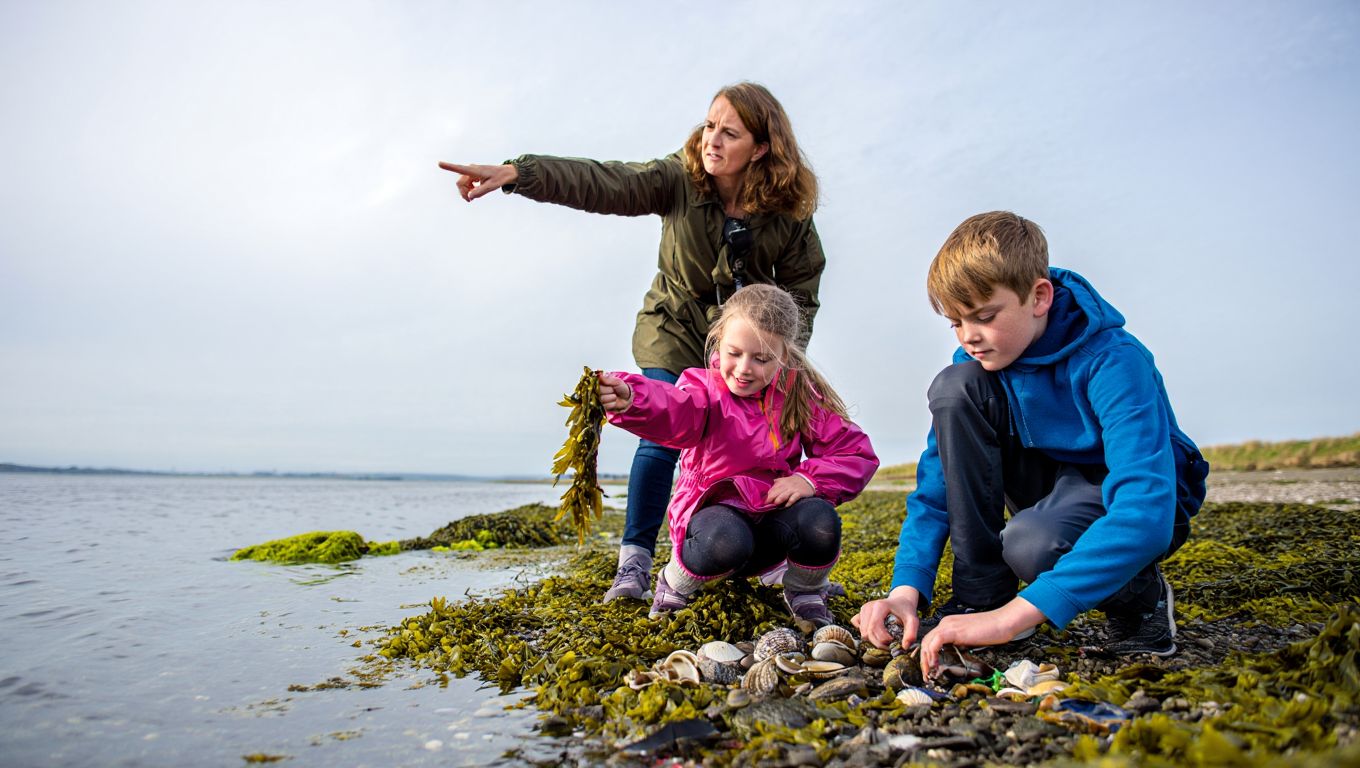
Even the most seasoned locals didn’t see it coming. Over a few sun‑splashed weekends, coastal rambles led by tide‑watching guides drew lines of curious families to the wrinkled shores of Strangford Lough.
Parents, kids, and the occasional wide‑eyed grandparent now spend mornings learning how the tide writes and erases the day’s menu. “It’s like a treasure hunt with sea air,” laughed one mother, her boots salt‑speckled and her pocket lined with crisp dulse.
The lough as a tidal classroom
At low tide, the shore becomes a living glossary. Guides kneel beside rockpools, showing children how seaweeds anchor and how shellfish filter. Each step is a lesson in rhythms, each handful a note of caution.
“First we learn to look, then we learn to leave,” says Aoife, a local forager who points out juvenile mussels and fragile barnacles. “We take a taste, not the habitat.”
What ends up in the basket
The menu is green, briny, and surprisingly sweet. Shiny fronds of sea lettuce crunch like an ocean salad. Ribbons of kelp promise deep, umami stock. Scarlet sheets of dulse melt into buttery soda bread. Carrageen, or Irish moss, thickens puddings with a silky finish.
Shellfish sit lower on the shore, glinting like hidden coins. Cockles nestle in sand, periwinkles cling to rocks, and blue mussels band together in tight colonies. “We don’t take the first or the biggest,” a guide reminds a small group, “we take what we’ll use, and we leave the future.”
Why parents are booking
Screens can’t compete with a cold splash and the thrill of a find. “I watched my son learn patience between one wave and the next,” said Daniel, a father from Belfast. “He measured a mussel, decided to wait, and felt oddly proud of putting it back.”
The walks are part science, part supper. Kids see how a kelp forest softens waves, how oysters clean the water, how a tide chart becomes a clock for the day. “It’s the closest thing to school you can taste,” another parent grinned, pocketing a recipe for fritters.
Skills you actually bring home
It’s not just about finding; it’s about knowing. Guides teach safe identification, gentle harvesting, and simple cooking. You’ll learn to sniff for freshness, to avoid marina slicks, and to read the lines where currents leave subtle clues.
One teenager, hair wind‑matted and hands reddened, summed it up: “I came for the snacks, stayed for the nerdiness.” A guide winked: “And you’ll come back for the tides, which are never the same.”
Safety and the slow code of the shore
The best rule is humility, followed by patience. Check local water‑quality advice and harvest away from sewage outfalls or busy marinas. Avoid unusual algal blooms; if the water looks off, it probably is.
Take only what you can eat soon, keep shellfish cool, and cook thoroughly for peace of mind. Learn protected zones, respect seasonal closures, and step lightly around eelgrass beds where juvenile fish find shelter.
Above all, leave enough for the next tide—and the next generation. “We say the shore is a larder, not a pantry,” notes one guide. “A larder is shared; a pantry can be raided.”
What the guides teach in an hour
- Simple seaweed IDs (dulse, kelp, sea lettuce), shellfish sizing and legal limits, how to read a tide table, and quick camp‑stove recipes that turn finds into hot, happy snacks.
A small boom with big ripples
Cafés around the lough have started adding briny specials, from seaweed buttered baps to mussel‑spiked chowder. A fishmonger grins behind a fogged window, saying he’s sold more hand‑rakes and wellingtons than in recent years. Meanwhile, a local restoration project for native oysters gets more volunteers than clipboards.
Guides insist the boom be gentle: smaller groups, shorter footprints, and long talks about the invisible work of eelgrass and oysters. “We want wonder, not wear,” says Aoife. “If people leave with awe and sandy socks, we’ve done it right.”
If you’re tempted to try
Timing is the quiet master here. Low tide opens the map, and calm weather makes rock‑hopping kind. Dress for spray, bring a small bucket, and expect to use your nose as much as your eyes.
And arrive with a learner’s heart. The lough rewards the unhurried: those who pause at a ripple, test a texture, and ask the tide a second question. You come for the picnic, and leave with a practice—one you’ll measure not in steps, but in the slow breath between outflow and the turning flood.

Contact details
Address:
Farmers Forum,
36, Dominick Street,
Mullingar,
Co. Westmeath,
Ireland
Phone:
+353 (0)44 9310206
Or email us:
For technical issues please check out our FAQ's page or email - [email protected]
For general Queries email - [email protected]
Request to add event to our Calendar - [email protected]
Send us your mart reports - [email protected]
Suggestions and feedbacks - [email protected]
News Items / Press Release - [email protected]
To Advertise on Farmers Forum - [email protected]