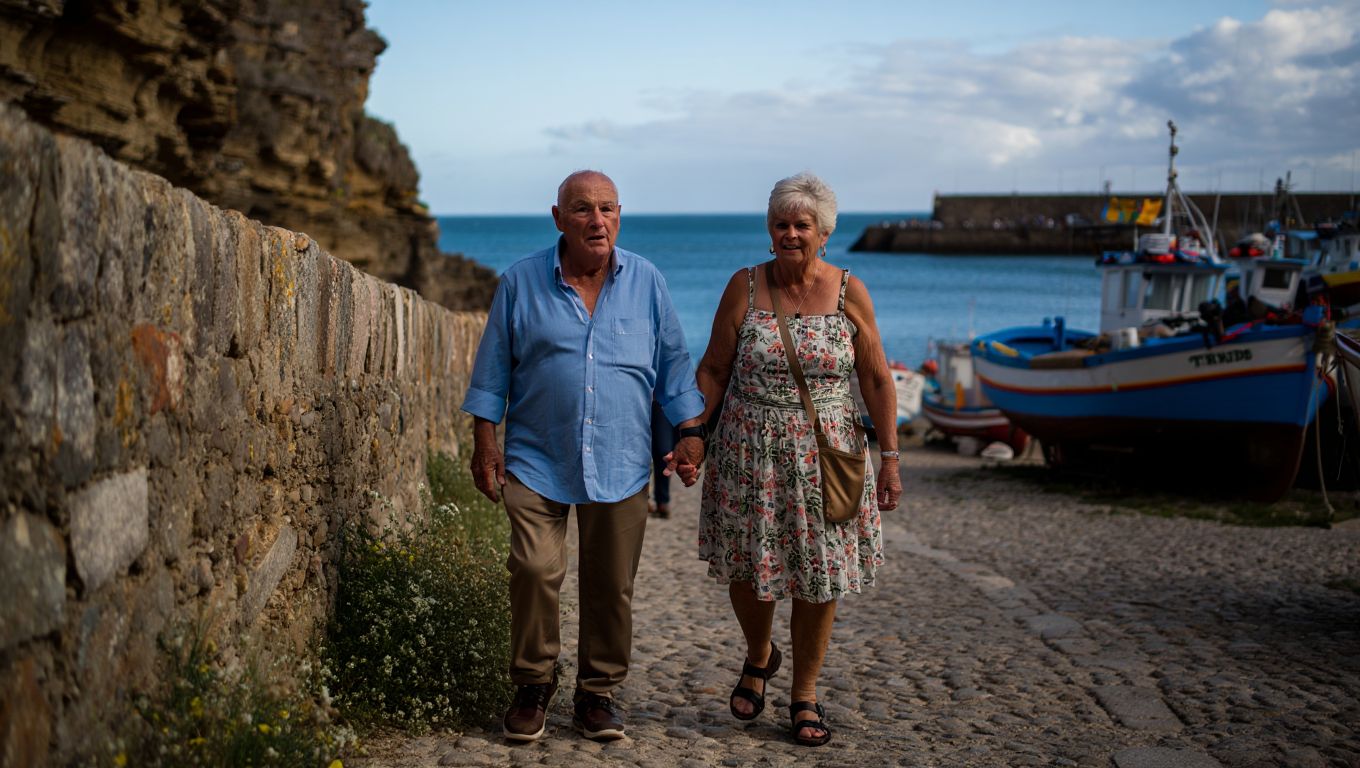
The secret is out among Irish retirees, but only in whispers. A low-key fishing hub on Portugal’s southern coast has been winning over those who want sun without spectacle, prices without penury, and a sense of home without giving up adventure. It’s not the Algarve you see on glossy brochures; it’s the Algarve that smells of grilled sardines, rings with market banter, and watches ferries skim toward sandbar islands at dusk.
A working-port charm without the price tag
Meet Olhão, a lived-in harbor town where mornings start with fishmongers shouting in the iron-red market halls and end with retirees nursing a small beer by the pier. The vibe is authentic, the skyline low and whitewashed, and the center crisscrossed with cobbled lanes that hide tiled facades and roof-terrace mirantes. “It felt real from day one,” says an Irish pensioner who moved last year. “Less glitz, more heart.”
Ferries fan out to the Ria Formosa’s barrier islands—Armona, Culatra, and Farol—where the beaches stretch empty on weekdays and the cafés stay casual even in summer. You’re 15 minutes from Faro airport, with frequent budget flights to Dublin and Cork, yet tourists tend to pass through, not linger.
Weather that feels familiar—only sunnier
Winters are mild, with sea breezes that keep summers more civilized than inland resorts. Think plenty of sun, blue-skied Jan uaries, and the kind of light that makes you forget what damp socks feel like. “It’s the Ireland I dreamed of—just drier,” jokes a retired teacher who swapped Galway’s drizzle for Olhão’s soft Atlantic glow.
If you tire of heat, mornings on the water are cool, and inland orange groves offer shady walks. If you crave warmth, afternoons deliver golden hours that seem to last forever.
What your euros buy here
Money stretches further because the town remains more local than loud. Fresh seafood is abundant, coffee is still cheap, and rents trail the Algarve’s headline spots.
- A bica (espresso): about €1
- Daily menu lunch: around €10–€12
- House wine in a tasca: €2–€3 a glass
- Two-bedroom long-term rental: roughly €650–€950 per month, depending on season and finish
- Private health plan for seniors: often €80–€160 monthly, based on age and coverage
Property buyers eye older townhouses with rooftop terraces, or new-build apartments near the marina. Renovations can be affordable by Western European standards if you manage scope and permits carefully.
Homes, healthcare, and the paperwork
Rent first, say the seasoned expats, ideally for a few seasons to learn which streets sing in spring and which cafés hum through winter. Long-term leases come up off-platform, so in-person networking matters more than clicking “send message.”
Healthcare is solid once you obtain residency and register for the national system (SNS). Many retirees layer a private policy on top for shorter waits and English-speaking clinics. As for residency, the D7 route is the classic retiree path, favoring stable income and demonstrable savings. Rules evolve, so a Portugal-based lawyer or relocation specialist can save time and spare nerves. The former NHR tax regime has narrowed, but pensioners still find predictability and EU-rule clarity appealing.
Community without the circus
Olhão’s expat scene is present, not overpowering. You’ll hear Portuguese in shops, catch snippets of Irish at the quay, and find weekly meetups that don’t shout about themselves. “Here, I can be quiet or social on my terms,” says one retiree over grilled dourada. Learning a few phrases—“um café, por favor,” “obrigado”—opens doors and smiles more quickly than a perfect accent.
Festivals lean nautical, market days feel ceremonial, and Sundays are for slow lunches and longer walks. It’s community by osmosis: show up, say hello, return tomorrow, repeat the rhythm.
Why look beyond Spain?
For many, the pitch is simple: comparable sunshine, lower noise, and prices that still feel grounded. Bureaucracy is manageable if you plan, and the language gap is gently bridged by locals used to international visitors. There’s less resort bloat, fewer stag crowds, and a working harbor that keeps the soul tied to the sea. “I wanted the Mediterranean mood without the circus,” says another new arrival. “Here, I got the Atlantic and a thicker slice of everyday life.”
How to try it on for size
- Visit in late winter and late summer to sample both moods
- Stay at least two weeks; a month is even better
- Split time between town streets and the island beaches
- Tour rentals at different hours to catch noise, light, and breeze
- Meet a local agent, a healthcare broker, and a residency specialist
If the harbor speaks to you, come back for a longer test stay. Spend on time, not on fast-track promises. Let the tide set your tempo: coffee, market, ferry, a slow lunch, and the soft clatter of evening plates. That’s how people end up staying—quietly, contentedly, and at a price that still leaves room for pleasure.

Contact details
Address:
Farmers Forum,
36, Dominick Street,
Mullingar,
Co. Westmeath,
Ireland
Phone:
+353 (0)44 9310206
Or email us:
For technical issues please check out our FAQ's page or email - [email protected]
For general Queries email - [email protected]
Request to add event to our Calendar - [email protected]
Send us your mart reports - [email protected]
Suggestions and feedbacks - [email protected]
News Items / Press Release - [email protected]
To Advertise on Farmers Forum - [email protected]