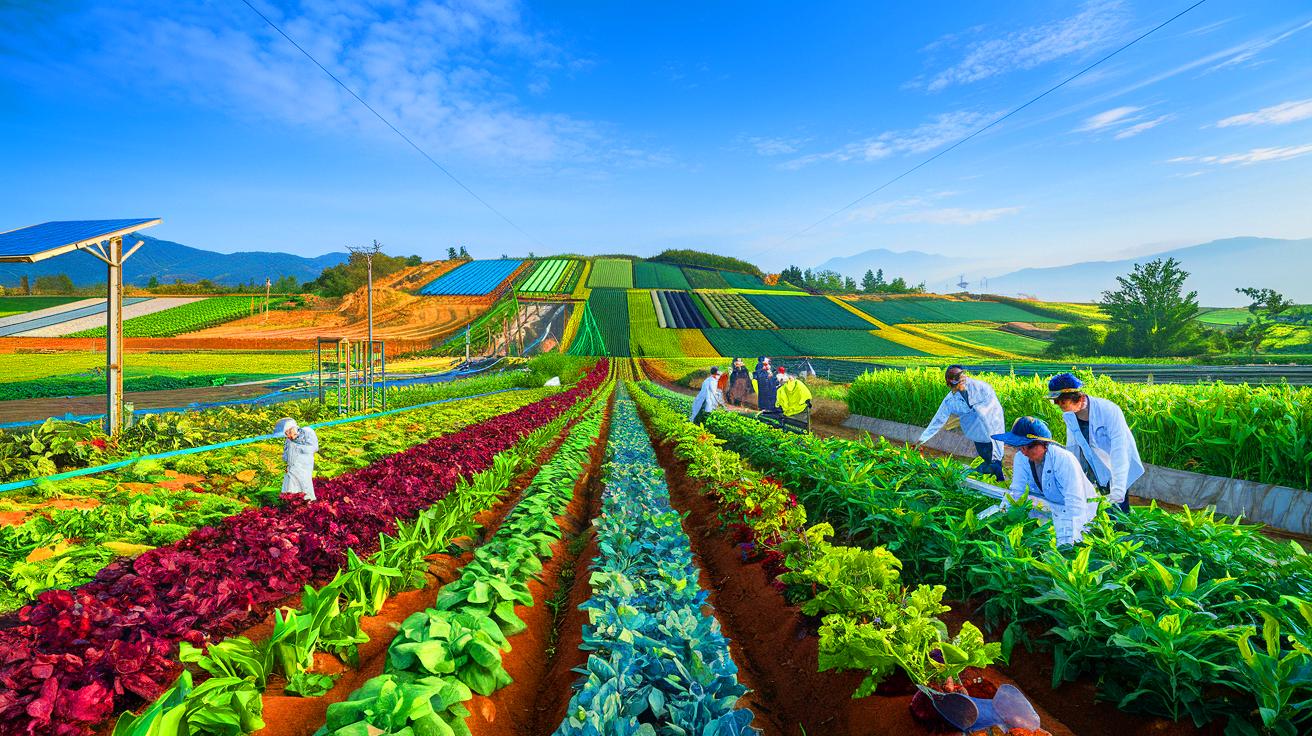
The transformation of the food system in China sits at the center of global concern, especially with regard to the United Nations Sustainable Development Goals (SDGs). In 2025, a study published in Nature Food revealed that China’s current trajectory does not align with these critical objectives. To address this, researchers have explored several potential pathways to reshape the Chinese food system, emphasizing meaningful dietary changes, climate change mitigation, ecological conservation, and socio-economic development. The call for coordinated action across all components of the food system is highlighted as essential to effectively tackle the varied social and environmental challenges. These efforts aim to reduce malnutrition, mitigate climate change, protect biodiversity, and secure sustainable livelihoods.
The Current Challenges of China’s Food System
China, with its vast population and rapid economic growth, stands at a pivotal juncture for food sustainability. The current food system presents numerous challenges, including persistent malnutrition, harmful environmental impacts, and socio-economic inequalities. The current trajectory shows insufficient alignment with the sustainable development goals, particularly those related to eradicating hunger and promoting sustainable agriculture. The urgency of reform is clear, because without decisive action these issues could intensify, jeopardizing not only national food security but also global ecological stability. Researchers emphasize that dietary changes, such as shifting to healthier and more sustainable eating patterns, could play a crucial role in transforming the Chinese food system. However, these changes can succeed only if they are integrated into a holistic approach that considers economic and social implications.

The environmental impacts of farming in China are also of concern. The intensive use of pesticides and chemical fertilizers has led to substantial soil degradation and water pollution. Moreover, agriculture is a major contributor to greenhouse gas emissions, further intensifying climate change. The need to adopt sustainable farming practices is thus imperative to reduce these negative impacts. Researchers have identified key policies that could help alleviate these problems, such as adopting modern agricultural technologies and improving the management of natural resources.
The China completes a gigantic aircraft carrier in record time, but its deployment at sea raises strategic doubts
The Benefits of a Healthy Diet
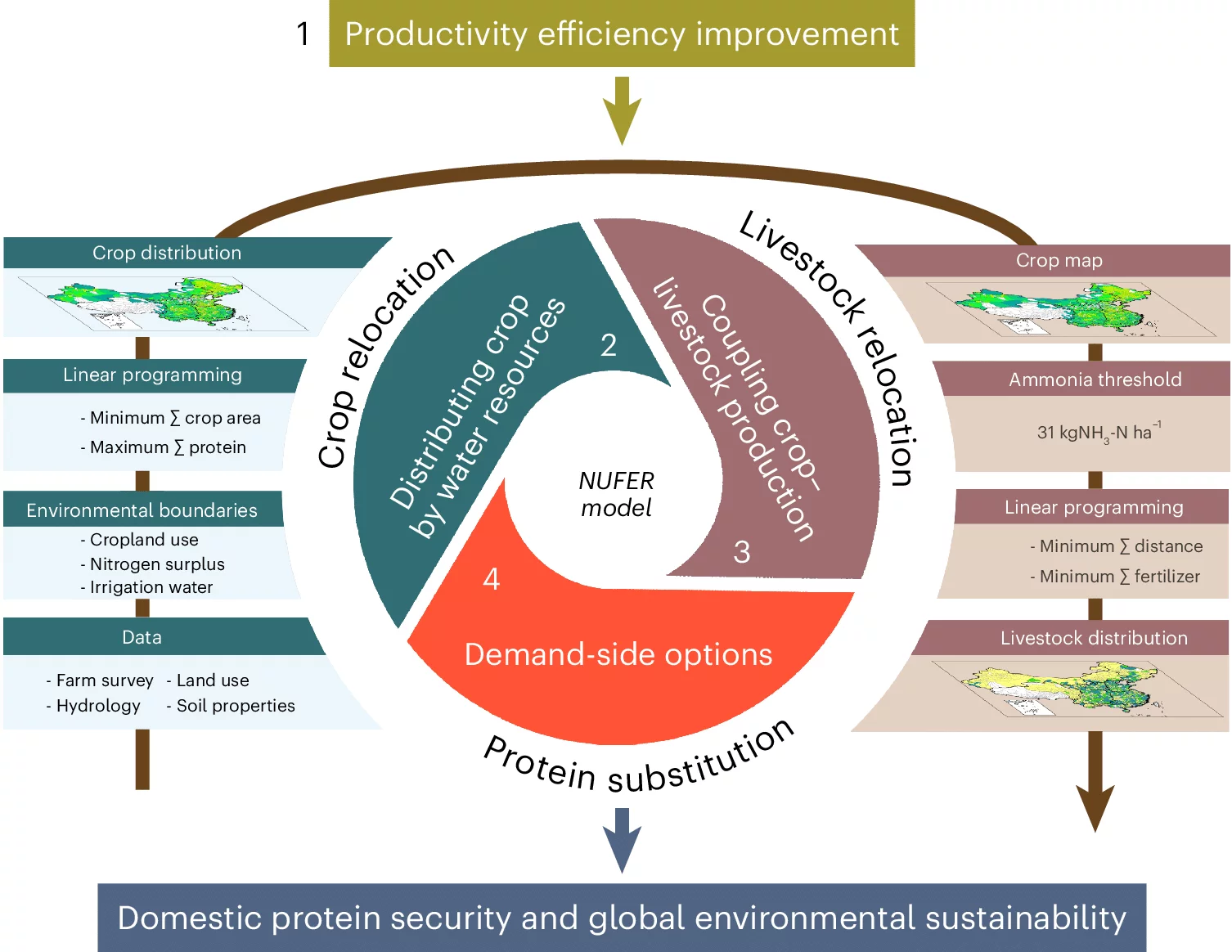
One of the most promising findings of the study is the potential impact of healthy diets on several dimensions of China’s food system. By adopting healthy eating patterns, China could not only improve the nutrition and health of its population but also lessen the environmental impacts tied to food production. Healthy diets are linked to lower greenhouse gas emissions, more efficient use of natural resources, and enhanced biodiversity. Moreover, these diets could bring economic benefits by reducing health-care costs associated with non-communicable diseases such as diabetes and cardiovascular diseases, which are partly caused by unhealthy eating habits.
The researchers note that the shift toward healthy diets entails the fewest trade-offs compared with other pathways for transforming the food system. Consequently, policies that promote these diets should be prioritized. This could include public awareness campaigns about the benefits of healthy eating, as well as economic incentives to encourage producers to grow more nutritious foods. Opening the path to healthy eating could also mean better access to fruits, vegetables, and other healthy foods for the segments of the population most in need.
Importance of a Holistic Approach
The study emphasizes the importance of a holistic approach to reshaping China’s food system. Such an approach involves addressing social, economic, and environmental challenges in an integrated manner, rather than in isolation. The researchers employed an integrated modeling framework to evaluate the impacts of various policy measures and the trade-offs involved. This allowed quantifying the effects of pursuing health, environmental sustainability, and improved livelihoods separately.
A holistic approach could include coordination across different sectors, such as agriculture, health, and economy, to ensure that policies implemented do not work at cross-purposes. For instance, a policy aimed at promoting sustainable agricultural production should be aligned with public health initiatives to encourage healthy diets. Coordinated efforts are essential to maximize social and environmental co-benefits and minimize trade-offs. This requires collaboration among government, the private sector, and civil society to build a sustainable food system that benefits everyone.
Diabetes: this rice “improved” could slow the global diabetes epidemic, according to researchers
Key Policies for a Successful Transformation
Transforming #China’s food system could set the country on a better path to achieving the UN’s @SDG2030, according to a new study from PIK and @ZJU_China. The researchers found that transitioning to healthy diets results in the fewest trade-offs: https://t.co/iilaTOawPS #SDGs pic.twitter.com/dcqCacnMwW
— Potsdam Institute for Climate Impact Research PIK (@PIK_Climate) January 21, 2025
To successfully transform the food system, it is crucial to implement key policies that support this objective. Researchers have identified several potential measures, including promoting sustainable agriculture, improving access to healthy eating, and reducing food waste. The policies should also aim to strengthen the resilience of food systems to climate and economic shocks.
| Key Policies | Objectives |
|---|---|
| Promotion of sustainable agriculture | Reduce environmental impacts and improve resource efficiency |
| Improved access to healthy eating | Reduce malnutrition and promote public health |
| Reduction of food waste | Minimize economic and environmental losses |
| Strengthening resilience | Prepare food systems for climate and economic shocks |
These policies should be supported by robust regulatory frameworks and investments in research and development to encourage innovation in the food sector. The adoption of modern technologies could also play a crucial role in improving the sustainability and productivity of China’s food system. Finally, active involvement of local communities in the transformation process is essential to ensure that the proposed solutions meet the specific needs of local populations.
Global Implications of Transforming China’s Food System
The transformation of China’s food system carries significant global ramifications. As one of the world’s largest producers and consumers of food, the choices China makes in this arena have direct effects on global food markets, greenhouse gas emissions, and biodiversity. The shift toward a more sustainable food system in China could serve as a model for other countries, illustrating how economic development goals can be aligned with environmental and social imperatives.
This transformation could also bolster global food security by reducing pressure on natural resources and mitigating climate change impacts. Furthermore, by enhancing the health and well-being of its population, China could contribute to reducing global health inequalities. International cooperation will be essential to support these efforts, sharing best practices and encouraging collaborative innovation in food systems.
As the world continues to face mounting food and environmental challenges, China’s success in transforming its food system could inspire other nations to pursue similar reforms. What will China’s next steps be, and how can the rest of the world leverage these lessons to build a more sustainable and equitable food future?

Contact details
Address:
Farmers Forum,
36, Dominick Street,
Mullingar,
Co. Westmeath,
Ireland
Phone:
+353 (0)44 9310206
Or email us:
For technical issues please check out our FAQ's page or email - [email protected]
For general Queries email - [email protected]
Request to add event to our Calendar - [email protected]
Send us your mart reports - [email protected]
Suggestions and feedbacks - [email protected]
News Items / Press Release - [email protected]
To Advertise on Farmers Forum - [email protected]