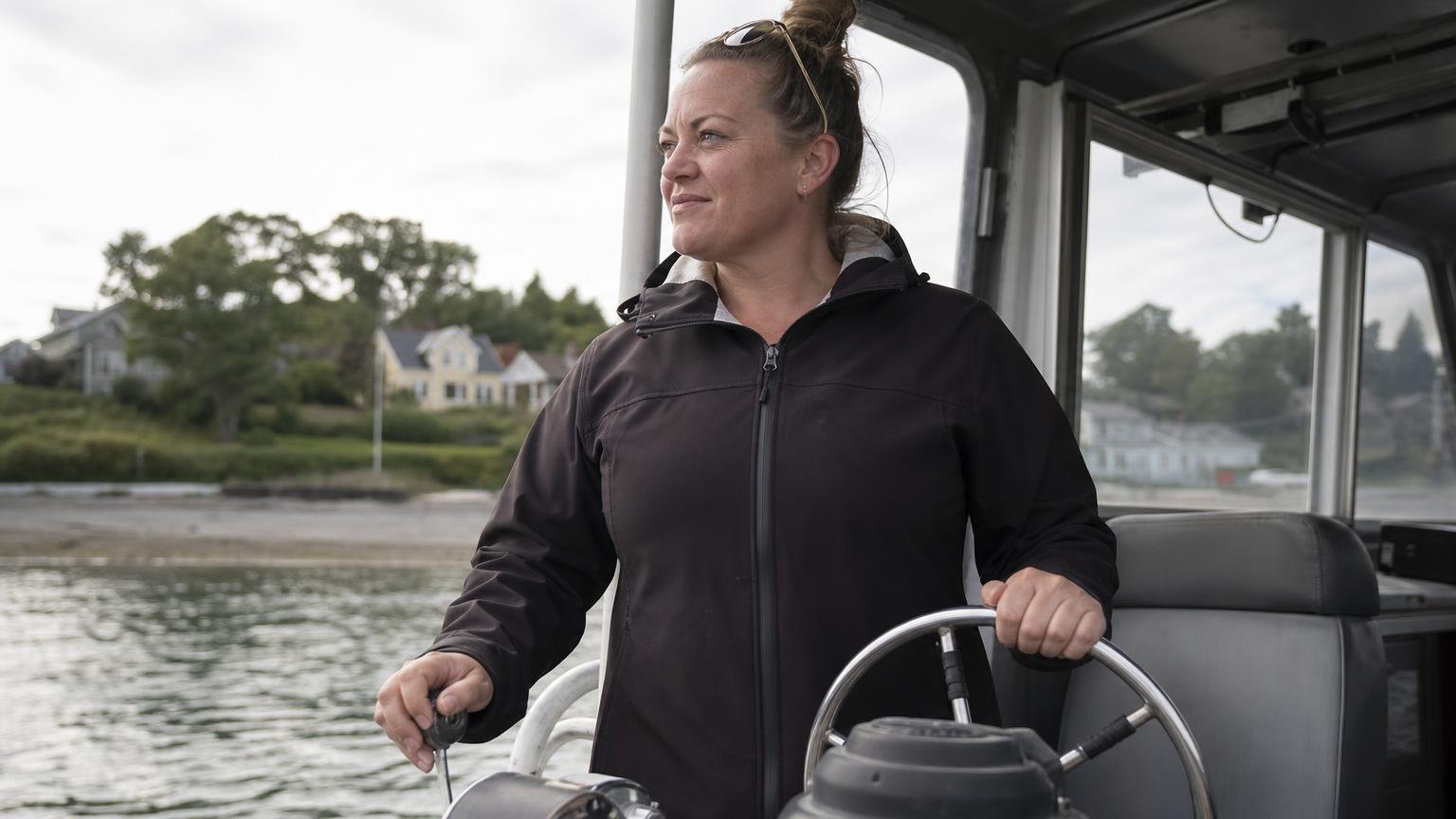
Sea air rolls over the pier, and a quiet confidence rides the swell. On the water off Duncannon, a woman with a sun-cracked smile and sharp eyes clips a line, checks a knot, and presses the throttle. Her boat heels gently into the channel, and a new day begins with a purposeful hum.
She learned the language of tide and engine later than most, yet she wears it like a second skin. “I never counted years,” she says, “only mornings.” At forty-five, she earned the paper that said “skipper,” but the sea had already signed its name across her heart.
The day she chose the helm
The decision came between a broken routine and a stubborn dream. She had crewed, watched, and listened from the rail, measuring the gap between wanting and doing. “I just thought, if not now, when?” she recalls.
Training meant charts on the kitchen table and nights of engine diagrams. It meant practicing mayday calls, drilling on colregs, and counting seconds in fog. “I wanted to be ready for any weather, not just the pretty days,” she says, easing a coil of rope into tidy loops.
Six days on the tide
Now her week is drawn in blue pencil and diesel smudge. Dawn starts the clock, and the estuary sets the pace. Mackerel flash where the water wrinkles, and the gulls write gossip in ragged arcs.
There’s a rhythm to the work. Fuel, bait, safety briefing. Lines out, lines in. “I tell people, the boat is my office, the sounder is my calendar,” she jokes, one hand on the wheel, the other on the weather.
What the license really meant
Passing the exam was more than a framed certificate on a galley wall. It changed the balance of risk and responsibility, and it sharpened joy into craft. “A skipper carries the day for everyone aboard, whether the fish bite or they don’t,” she says.
Her learning curve was steep, but not lonely. Local skippers traded tips, the coastguard shared blunt wisdom, and the sea delivered daily tests. “You respect the soundings, you check your gear, and you never bluff the tide,” she says with a small smile.
The crew she builds each trip
Every charter is a new crew, stitched together by bait and banter. There’s the quiet retiree healing from loss, the giddy hen party in borrowed yellow oilskins, the father teaching a son how to wait and then strike.
“I watch strangers turn into a team by the third drift,” she says. Someone nets, someone calls the depth, someone holds the bucket like a chalice. The boat breathes, and so does the whole group.
Weather, work, and the waiting game
She treats forecasts like recipes, then cooks with what the sky actually delivers. A stiff sou’wester means the lee of the headland, a gentle northerly opens the distant marks. “There’s bravery, and there’s sense,” she says, “and the boat prefers the latter.”
Waiting is part of the art. Lures flutter, rods tremble, and time stretches like warm toffee. “Patience is a form of listening,” she says, “and fish hate a noisy mind.”
Why people keep coming back
They don’t just book a boat; they book a way to feel more alive. They leave with reddened noses, salty knuckles, and stories that stay bright long after the tackle goes dry.
- A steadier sense of self, won by learning a knot that finally holds.
- A laugh that returns on the bus, long after the last wake has settled.
- A photograph where the fish is smaller than the grin that claims it.
- A silence that tastes like salt, and somehow answers back with ease.
A woman at the wheel
Being the only woman on a jettied row of skippers can bend a few necks. Some glances carry doubt, others carry pride. “I got called ‘girl’ and ‘cap’n’ in the same hour,” she says, “but the tide only cares if you hold your line.”
Her mentors include hard-won voices and a few stubborn charts. Her critics shrink beside the day’s catch, or the clean way she puts the boat on the pontoon first try. Respect grows like barnacles, slow but sure.
The place that shaped her
Duncannon hugs the shore like a hand around a warm mug. Nets drip from quay posts, and diesel hangs soft as a woven shawl. Across the water, the Hook glints its iron wink, and the channel keeps its quiet strength.
She knows the estuary’s private moods, the slick when the tide turns cheeky, the sudden bite at slack water. “You feel it in your knees eventually,” she laughs. “The sea speaks, and your bones do the translation.”
Small rituals, big days
Before each trip, she taps the coaming twice and checks the radio thrice. A superstition, a system, a way to center the mind. “Luck is preparation that looks like a wink,” she says, tucking a strand of hair under her wool cap.
After, she hoses the deck to clean and to remember. Scales sparkle like confetti in the low light. She logs the day in neat script, closing the loop she opened at first horn.
Looking ahead without haste
She speaks of winter refits and summer neaps, of upgraded electronics and a kettle that finally pours without drips. “I want to keep people safe, keep them curious, and keep my own edges sharp,” she says.
Forty-five was a fierce start, not a late pass. Tomorrow she will pull the lines, count the faces, and point the bow at the familiar bright seam where river becomes sea. The engine will answer, and so will her life.

Contact details
Address:
Farmers Forum,
36, Dominick Street,
Mullingar,
Co. Westmeath,
Ireland
Phone:
+353 (0)44 9310206
Or email us:
For technical issues please check out our FAQ's page or email - [email protected]
For general Queries email - [email protected]
Request to add event to our Calendar - [email protected]
Send us your mart reports - [email protected]
Suggestions and feedbacks - [email protected]
News Items / Press Release - [email protected]
To Advertise on Farmers Forum - [email protected]