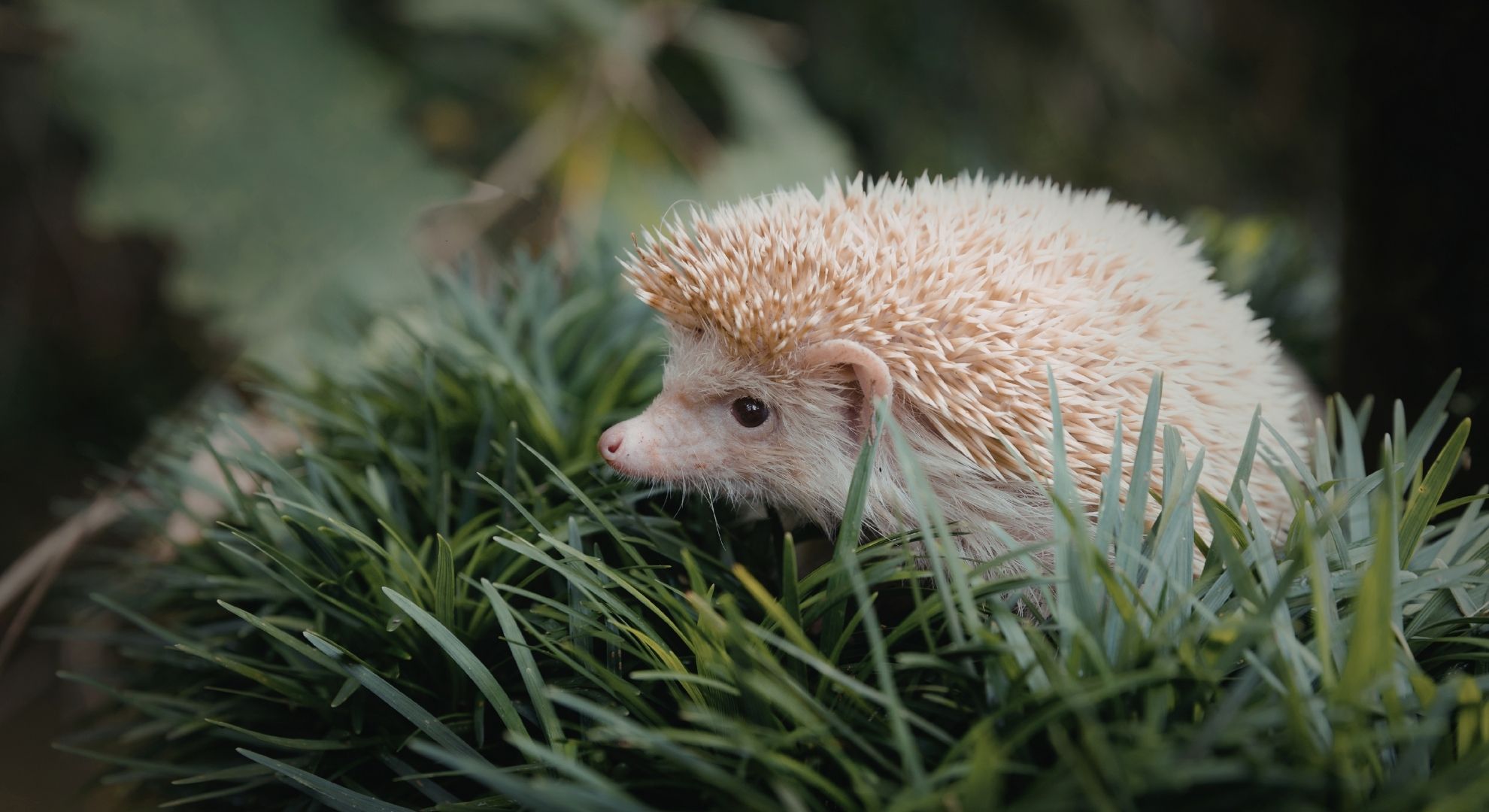
In gardens across Ireland, a quiet crisis is unfolding. A widely used pesticide—common in sheds and on shelves—is being linked to deadly harm in hedgehogs, one of the country’s most beloved wild neighbors. The Irish Wildlife Trust is urging immediate caution, warning that routine use can tip a healthy garden into a toxic trap.
A familiar product, unexpected casualties
For many gardeners, slug and snail pellets seem like a quick fix. But what’s marketed as “pet safe” or “wildlife friendly” can still carry real risks for animals that forage after dark. “What looks like a tidy lawn can become a lethal landscape when poisons enter the food chain,” an IWT spokesperson said.
Hedgehogs are opportunistic feeders, drawn to easy meals like weakened slugs and snails. If a pellet contains toxicants, a contaminated slug becomes a vector, delivering poison to a predator that never touched the product itself. Even when direct poisoning is unlikely, repeated low-level exposure and prey decline can undermine survival.
How the poison pathway works
Some pellet formulas use metaldehyde, a neurotoxin long criticized for impacts on pets and wildlife across Europe. Others rely on ferric phosphate, which is often presented as safer, yet still demands strict use and careful label reading. In urban and rural settings alike, hedgehogs can encounter poisoned prey repeatedly over a single night.
Secondary poisoning is the stealth route: a hedgehog eats a slug that has ingested a pellet and begins to show disorientation or tremors, then dehydrates and collapses. “People often assume pellets only affect pests, but nature doesn’t draw those lines,” the IWT spokesperson noted. The more a garden relies on chemicals, the fewer safe refuges remain.
What the evidence suggests
Wildlife hospitals across Europe have documented hedgehogs with neurological symptoms, internal bleeding, or organ stress consistent with toxic exposure. While pinpointing a single cause is complex, converging research shows that slug pellets and other biocides can push small mammals beyond their limits. In the UK, metaldehyde products faced phased restrictions after years of concern over water and wildlife impacts.
In Ireland, campaigners say monitoring and enforcement must catch up with the risk. “We need clearer labels, better reporting, and a decisive shift toward non-toxic control,” the spokesperson argued. Without swift action, familiar garden corners may grow quiet for all the wrong reasons.
Gardeners want results—without collateral damage
Most people use pellets for good-faith reasons: to protect tender seedlings or salvage a rain-soaked border. The IWT isn’t blaming gardeners—it’s blaming a model of pest control that treats biodiversity as an acceptable casualty. Replacing pellets with habitat-based approaches can be both effective and kinder to the web of life.
A single garden can harbor hedgehogs, songbirds, frogs, and ground beetles—the very allies that keep slugs in check. When chemicals are removed, these predators rebound, and balance returns over time. “We can choose gardens that are truly alive, not simply tidy,” the IWT spokesperson said.
Practical shifts you can make today
Try these alternatives before reaching for a pellet:
- Create rough habitats (logs, stones) for slug predators; encourage frogs with a small pond and leaf litter.
- Use physical barriers: copper tape, wool pellets, or sharp mulch around precious plants.
- Hand-pick at dusk after rain; drop slugs into soapy water or relocate to a wild corner.
- Space waterings, raise beds, and improve drainage to reduce slug booms.
- Choose ferric phosphate only as a last resort, follow label limits, and keep pellets fully covered.
Retailers and regulators have a role
The Irish Wildlife Trust is asking retailers to remove wildlife-harmful promotions, provide clear warnings, and stock proven alternatives. It wants local authorities to adopt pesticide-free policies across parks, verges, and schools. Nationally, the group urges tighter controls, better incident tracking, and investment in hedgehog surveys.
“Public demand for nature-friendly gardening is already there,” the spokesperson emphasized. “We need policy and products that respect that choice, not undercut it at the checkout.”
Spotting a hedgehog in distress
A hedgehog out in daylight, wobbling, or lying exposed may be in danger. Using gloves, place it in a ventilated box with a towel and a warm bottle, then seek local wildlife advice. Avoid giving cow’s milk; offer fresh water and keep the animal quiet until help arrives.
Small, timely actions can make a lifesaving difference. The same is true for policy: once poisons are normalized, it’s hard to reverse course.
Choosing life over convenience
Ireland’s hedgehogs have survived hedgerow loss, busy roads, and colder winters, but household pesticides may be their most avoidable threat. A garden that welcomes toads, thrushes, beetles, and hedgehogs is a garden that repairs its own problems. When we swap the blue pellet for living predators, the night rustles back to life—and the garden becomes our ally, not our battleground.

Contact details
Address:
Farmers Forum,
36, Dominick Street,
Mullingar,
Co. Westmeath,
Ireland
Phone:
+353 (0)44 9310206
Or email us:
For technical issues please check out our FAQ's page or email - [email protected]
For general Queries email - [email protected]
Request to add event to our Calendar - [email protected]
Send us your mart reports - [email protected]
Suggestions and feedbacks - [email protected]
News Items / Press Release - [email protected]
To Advertise on Farmers Forum - [email protected]