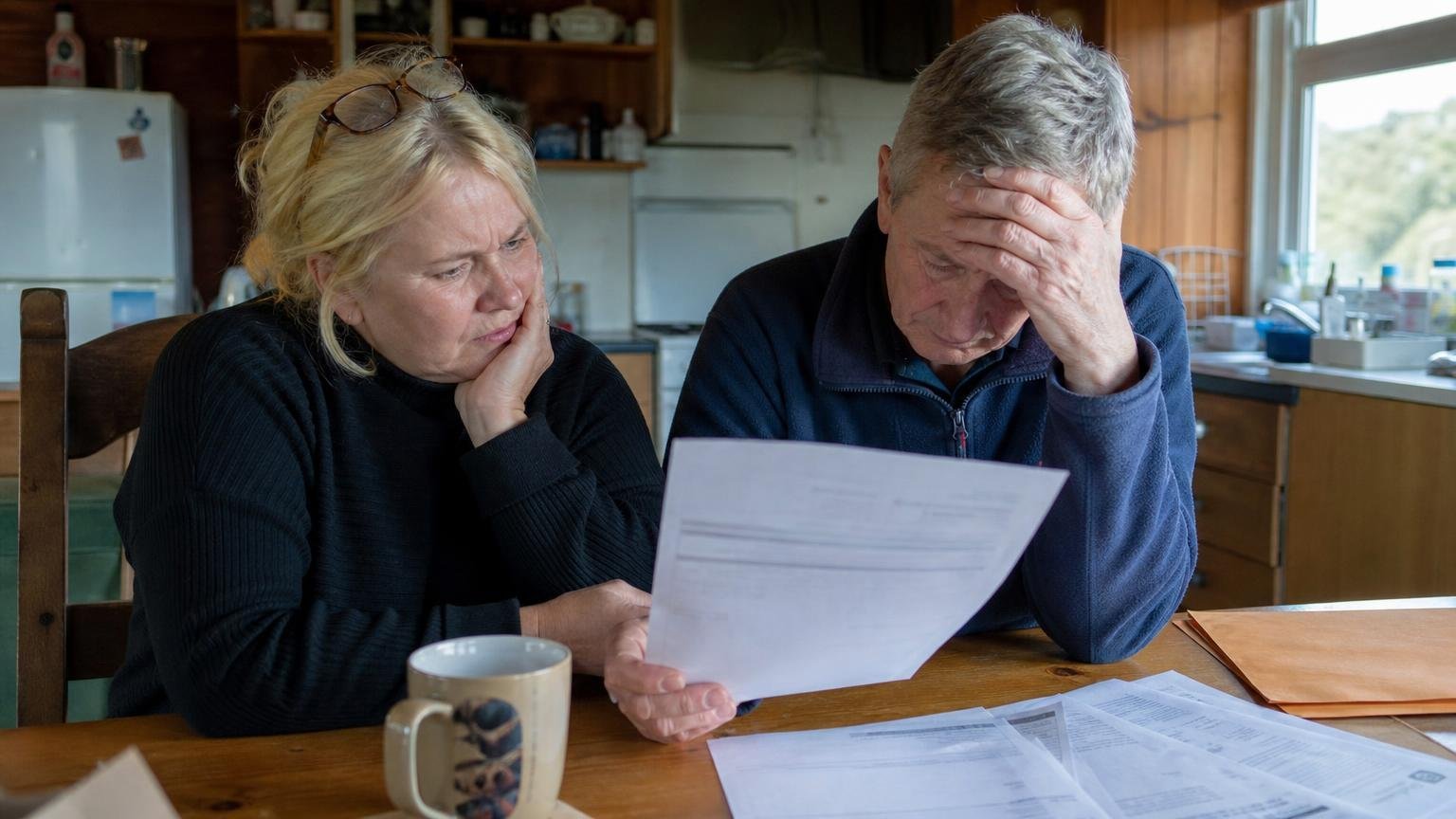
The first thing they noticed was the salt. It hung on the air, crusting the windows and sharpening the appetite. Then came the wind—not a breeze but a push, a hand at the back every time they opened the door. Only later did the other thing arrive, the envelope with the number that made them sit at the kitchen table and whistle in unison.
Trading city comfort for cliff‑top weather
They had swapped Ranelagh for a cottage above Killybegs, where the ocean is not a view but a neighbour, loud and insistent. “We wanted more sky, more silence,” Aoife said, drying mugs that never seem fully dry in Donegal air.
The cottage is white and stubborn, crouched into the hill like a sheep in a squall. On clear evenings the Slieve League cliffs glow; on most others, the Atlantic does its work. “You learn to love the word ‘soft’—soft rain, soft day,” Mark joked, “and then you meet a not‑so‑soft gust that tries to steal your hat.”
The number that kept climbing
It wasn’t the isolation or the weather that knocked them back. It was the fuel. “That first winter, we filled the oil tank and thought we were sorted,” Aoife said. “By January, the gauge looked drained, and by March I was learning new swear words.”
They hadn’t budgeted for the way an old cottage drinks warmth like a sponge. The compact Ranelagh apartment once heated itself on the back of neighbouring radiators; here, every kilowatt has to cross an open field and a battered roof.
“The oil man became our most frequent visitor,” Mark said. “Nice chap, but every time the lorry climbed the lane my stomach dropped.” Even summer brought its own metered reality: dehumidifiers humming against damp, tumble dryers on standby for squalls, car trips multiplied by distance.
Why rural warmth costs more
They learned fast that there are reasons the bill bites. Exposure to wind strips heat; old stone walls hoard cold; there’s no natural gas grid; deliveries add fees. “In the city, the bus was five minutes and the thermostat hardly moved,” Aoife said. “Here, the car is a second boiler, constantly on the go.”
Still, the land teaches workarounds. Neighbours lent moisture meters and folklore. The hardware shop sold pipe lagging with a wink that said, you’ll be back.
They drew up a quiet truce with the elements:
- Add attic insulation, seal the obvious drafts, and worship the humble chimney balloon.
“None of it felt heroic,” Mark said, “but watch the oil stretch a month longer and you’ll toast a roll of tape.”
The recalibration of days
Life reorganised itself around the meter. Wash on windy days; soup on wet days; all lights off when the moon is bright. They learned to trust layers, to forgive a cool hall, to drink tea like a patient ritual.
There were surprises that eased the maths. The butcher wraps bones for stock; the pier sells fish that could shame a city menu. A neighbour appeared with a sack of kindling, the currency of crisp nights. “In Ranelagh, we ordered comfort,” Aoife said. “Here, it lands like a bag on your step.”
Counting costs, counting gains
On balance, did the bill undo the move? They shook their heads with that Donegal half‑smile. “We didn’t come for savings,” Mark said. “We came for a larger life.”
Evenings expand when there’s no commuter drag. Mornings arrive with gull gossip and a horizon that won’t stop talking. “You get used to the dark, and then you start seeing stars you thought were myths,” Aoife said.
Yet they won’t romanticise the math. “If you’re thinking of a similar leap, set aside a comfort fund,” Mark said. “Price the unseen things: oil, cars, boots, small repairs that feel like large stories.”
The cottage teaches back
They’ve stopped trying to tame the place and started listening to its rules. On gale warnings, the bins go inside. On calm days, paint while the air is kind. If the radio mentions a power outage, boil the kettle twice.
The cottage, in turn, has given them rhythm. “Work has edges again,” Aoife said. “We close the laptop, step outside, and there’s the sea, uninterested in our emails.”
There are hard days, and there are bonus days when the hill blushes and the boat lights string a temporary city on the water. “That’s when the numbers go a bit quiet,” Mark said. “Not gone, just hushed.”
What they’d tell their past selves
“Bring more blankets,” Aoife laughed, “and less decorative ambition.” They would also have booked an energy audit, asked blunt questions about insulation, and priced oil like a variable habit rather than a fixed bill.
“Don’t skip the boring bits,” Mark added. “Good seals, good timers, a decent stove, and shoes you can actually muck.” And keep chatting to the locals; someone nearby has already solved your problem, cheaply and with a story you’ll want to keep.
Two summers in, the sea is still loud, the wind still opinionated, the kettle an unrepentant addict. The bill can still bite, but so can the mackerel, so can the first sip of pier‑cold beer, so can the morning you wake and realise the weather is not an enemy but a fluent, demanding friend.

Contact details
Address:
Farmers Forum,
36, Dominick Street,
Mullingar,
Co. Westmeath,
Ireland
Phone:
+353 (0)44 9310206
Or email us:
For technical issues please check out our FAQ's page or email - [email protected]
For general Queries email - [email protected]
Request to add event to our Calendar - [email protected]
Send us your mart reports - [email protected]
Suggestions and feedbacks - [email protected]
News Items / Press Release - [email protected]
To Advertise on Farmers Forum - [email protected]