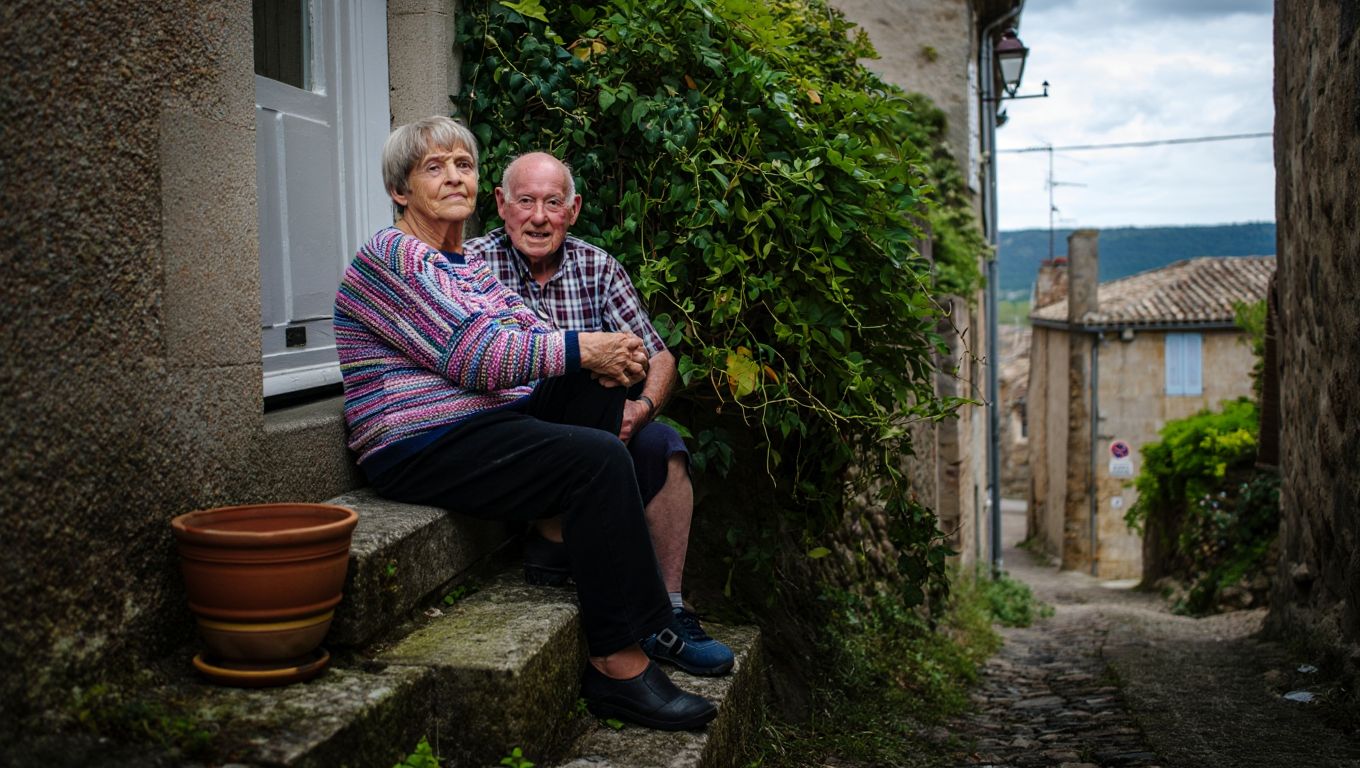
The lure of the Mediterranean hasn’t dimmed, but the soundtrack has changed. As the Spanish costas grow busier and pricier, more Irish retirees are slipping inland and west, into a sunlit strip of southern France where vineyards meet the sea, markets still hum, and life moves at a deliberate, generous tempo.
They’re finding something both familiar and new: good weather without the heave of high-rise resorts, long lunches where the bill doesn’t sting, and a civil, slightly sleepy rhythm that makes the days feel usefully long. “It’s the France we dreamed of,” says Tom, 67, from Cork. “Less show, more soul.”
Why here, and why now
The draw starts with space. Villages between the Cevennes and the Mediterranean—from Pézenas to Olonzac, Sommières to Quarante—offer stone houses with blue shutters, streets that still close for lunch, and neighbors who remember your name.
There’s also the idea of being “near everything, but not in the thick of it.” You’re an hour from the beach, an hour from the mountains, and two from Barcelona by train. “We wanted sunshine,” says Aoife, 64, “but we also wanted a life that felt lived.”
Money that stretches, gently
Compared with the best-known Spanish coasts, prices here can feel softer. Attractive village houses, often with a courtyard or roof terrace, are still findable below the price of a new-build by the sea. Renovations are common, but many arrive turn-key, with thick walls that keep summer cool.
Daily costs reward the patient shopper: seasonal produce at weekly markets, local wine at cellar-door prices, and fixed-price lunches that still champion three courses. It’s not “cheap”—France rarely is—but it’s less performative, more proportional.
Weather you can live with
The climate is Mediterranean, not furnace. Winters are mild, summers hot but tempered by the tramontane, the dry wind that scrubs the sky clean. Heatwaves happen, but most villages wake early, nap when the sun peaks, and come back to life at dusk.
For many, it’s a climate “you can be out in,” not just one you escape to. Morning riverside walks, shaded pétanque, evening rosé with neighbors who bring their own glasses.
The practical puzzle pieces
As EU citizens, Irish retirees can settle without visas, registering locally once they become resident. Healthcare is straightforward once you’re in the system; short stays are well-covered with the EHIC, while residents can access France’s robust public care.
Air links ebb and flow, but seasonal routes often connect Dublin and Shannon to Carcassonne, Béziers, or Perpignan. Toulouse and Montpellier widen the net; trains sweep you along the coast, and the TGV folds distance like a map. “We get more guests now than we did in Spain,” laughs Tom. “Apparently our spare room is very popular.”
Language matters less than kindness, but a little French goes a long way. Many villages have clubs and associations that welcome joiners; you’ll be invited before you’re fully ready.
Texture, taste, and time
This is wine country, yes—but also olive oil, goat’s cheese, oysters from Thau, apricots the size of your palm. The Canal du Midi is a silver ribbon for cycling and slow boating. Saturdays are for the market, Tuesdays for repairs, Sundays for long roasts.
“People here aren’t in a hurry,” says Aoife. “They’re in a habit.” That habit is generous: daytime hellos, dusk conversations, a knack for making a moment feel sufficient.
Choosing the right village
The nuance is in the mix. Some places buzz in August then sleep, others hum year-round with schools, bakeries, and a proper daily rhythm. Elevation brings breezes; proximity to the A9 or A75 keeps the world within reach. Market towns like Pézenas offer culture without crowds; hamlets offer silence with birdsong and the occasional delivery van.
If you crave the sea, look a little back from it. Ten kilometers inland can halve the price and double the quiet, while beaches remain a short, pretty drive.
Try before you leap
Before you put down stakes, spend a season. Rent in winter and in summer. Sit in the square at 11 a.m. and again at 10 p.m. Talk to the baker. Count the shutters that stay closed midweek in January. Your future is in those details.
- Do a slow recce: schools, doctors, markets, transport, and noise at different times and seasons
What changes, and what doesn’t
You’ll trade constant sun for better shoulder seasons. You’ll swap pintxo bars for wine co-ops and dinner that starts later. Bureaucracy exists, but it’s navigable with files, smiles, and a sense of humor. Taxes align under a double-taxation treaty; advice is wise, panic is wasteful.
Most of all, the days stretch. “I read outside more,” says Tom. “I fix small things. I know the names of the winds and the herbs.”
A quieter horizon
In this corner of Occitanie, the good life is less about making a scene and more about making a routine. The sun still shines, the sea still beckons, but the crowd has melted into vineyards and villages. For the Irish who come, the gamble is modest and the return is time—not just more of it, but time with texture.

Bought a studio apartment in Sete years ago, €16k, great area Languedoc Russilion..😍
I had a house in Moraira for 42 years. It was delightful when we first bought. Spanish Restaurant, cheap food and drinks etc. Now it’s not a Spanish Town. It’s international with similar prices. It went in phases. Germans were big buyers, then Brits. Now it’s a big Dutch presence.
We lived and worked in Spain so are Spanish Pensioners too. We had to drive everywhere from the house as a couple of klms out of town. Health issues made us decide to move to a more central position. We bought a townhouse in Benissa Town. It’s about 12/25 klms inland from Moraira.We have a marvellous view down the Campo to Calpe and the sea. 22 Spanish owned Bars and Restaurants. Still having Menu del Dia for €14/15 Inc 3 courses , pan and alioli and a bottle of decent wine between two. I walk into town in 6 minutes. I speak Spanish again. Our Health Clinic is wonderful. Five major supermarkets in town. Great Sports facilities and very sensible prices . So many Fiestas here. Population of 11.5k.
It’s a great article but Spain still has opportunities. I can hit a beach in 15 minutes. I really am living my dream now. Thanks . David