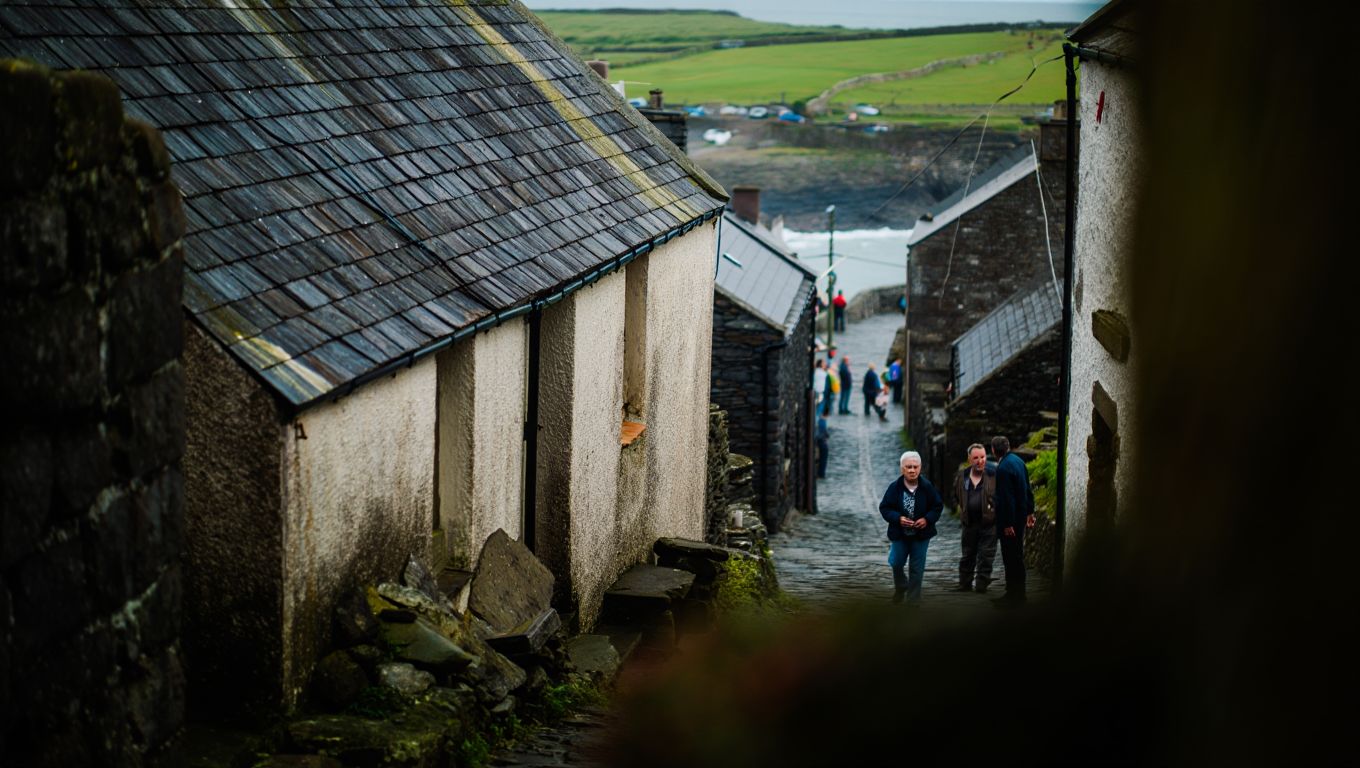
The news arrived like sea-light, soft and golden. A place with more sheep than streetlights, more sky than signage, has been quietly noticed. On the Rosguill Peninsula, where roads narrow to hedges and hedges to heather, the locals nodded, smiled, and put the kettle on. No one made a speech. The Atlantic did the talking, as it always does.
People here count by tides, not by trends. The cliffs keep the schedule, the gulls handle the press, and the publican remembers everybody’s order before they open their mouth. Recognition hasn’t changed the weather or the welcome. It has simply underlined what the wind has been writing across the dunes for a century.
A quiet accolade
The citation came from a European panel that loves small places with large souls—the kind of list that prefers footprints to tour buses, and stories to statistics. “It’s lovely,” said Máire O’Donnell, who runs a tiny guesthouse near the pier. “But sure, we always thought it was beautiful, even when the rain comes in sideways.”
Outsiders come for the view, insiders stay for the rhythm. “It’s the way evenings stretch,” said Seamus McBride, a fisherman with hands like oars. “And the way nobody rushes the sea. You take your time or the sea takes it for you.”
Where cliffs meet kindness
Rosguill is a geography of edges and embraces. The road threads past bright gorse, up to a horizon of stone and spray, down to coves that hide their secrets in plain sight. On days of low cloud, the world turns to ghost-silk, and the sound of the tide feels like old advice. On clear evenings, the light slides across the water like a slow violin, stopping here, then there, reluctant to go home.
The hamlet is not a museum, and not a stage. It is a working place of small boats, laundry lines, and kitchen tables with chipped cups full of strong tea. The beauty isn’t posed; it is practical. It looks good because it works, and it works because people keep it simple.
Seasonality, not spectacle
Locals will tell you that winter is the truth, and summer is the song. The cafes thin, the waves thicken, and the hills show their bones. In January, the postman is a lifeline; in August, the roads make their own introductions. Both seasons belong to the same story, and both are held with equal care.
“We have room for visitors, but no room for rush,” said Aoife Gallagher, who helps run the community hall. “If you come slow, you see more. If you come fast, you see the same, just louder and less true.”
What visitors actually find
A list can’t capture the weather, the way it changes the mood of a gate or a fencepost’s shadow. But if you must have a guide, start with light, end with tide, and keep kindness in the middle.
- Dawn at the high headland, when the horizon is a thin blade of pink and every rock looks newly named.
The little economies of grace
There is a shop with apples that taste like September, and a counter bell that has seen three owners and four eras. There is a pub where the fire speaks the last word, and the first laugh sets the tone. There are cottages that smell of peat, and footpaths that shuffle around ancient boundaries like respectful guests.
Birds draw their own maps, fishermen draw theirs with sound, and walkers draw theirs with boot creaks and tea breaks. The lines intersect in ordinary miracles: a borrowed raincoat, a shared thermos, a wave from a tractor that doesn’t know what a list is.
A promise made of weather
What does such recognition mean? Perhaps only that quiet places can still be heard, that a line of dry stone can teach more than a dozen postcards. It means that Europe still has room for whispers, and that not every beauty needs a ticket booth.
If you come, bring time. Bring a soft voice and sturdy boots. Bring a willingness to let the map go fuzzy, and your plans go a little loose. The peninsula will meet you halfway and walk the rest beside you.
Locals, not lenses
The people here know what matters: the weather, the tide, the birthday on Thursday, the lambing that went well after all the worry. “We’re not a showroom,” said Seamus, shrugging into his jacket. “We’re a place. That’s plenty for us.”
Máire folded napkins that smell faintly of lemon and wood smoke. “We’ll put on an extra scone,” she said, “but we won’t put on a show.” You can taste the difference in the butter, and you can hear it in the half-second pause before a friendly question.
The hush that stays
Evenings close like a well-read book, with a last page of silver water and one gull writing its messy signature across the sky. Windows warm from within, the roads go quiet, and somewhere a kettle finds its soft boil. The peninsula exhales, the stars take their slow positions, and tomorrow waits like a clean plate, ready for tea rings and stories.
Awards will come and go, as they always do. The sea will keep its time, and the village will keep its promise: small, steady, and beautiful enough to forget about being beautiful.

Beautiful piece. Thank you. My mind has travelled back in time, when life was slower, people were friendy, and helpful, people meant more to each other.
Thoroughly enjoyable read, Beautifully written. Thank you. I’ve put it on my list for a weekend in September.