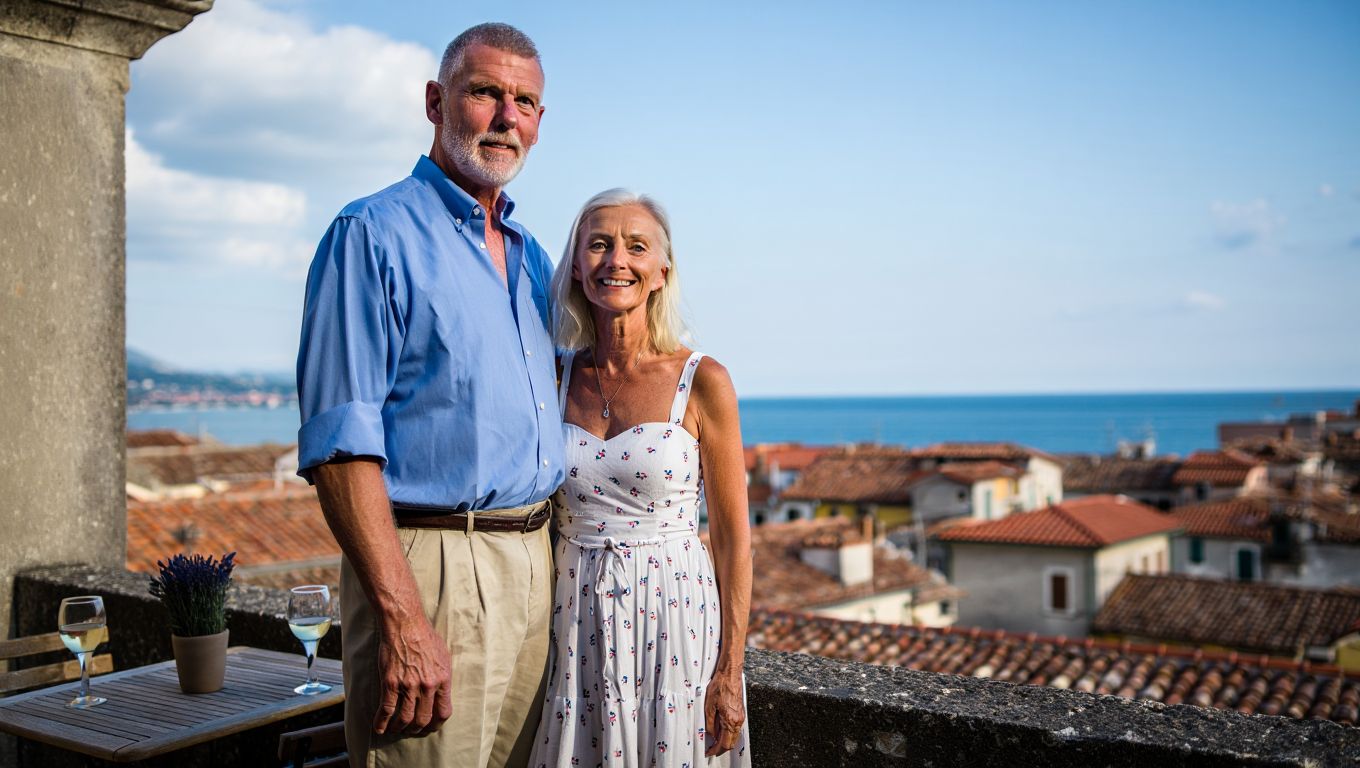
We left Galway with a car full of maps and memories, and a promise to slow down. The Adriatic was a hunch, a blue streak on a globe, a coast we’d visited once and couldn’t shake. Months later, we wake to gulls and church bells, laughing at our good fortune.
Our days are simple, which is to say rich. Coffee on the balcony, olives on the table, a sea that changes with the wind. “We didn’t chase the sun so much as a gentler tempo,” Michael says, eyes on the water.
Why the Adriatic
We wanted a coast that felt lived‑in, not curated for postcards. The Adriatic offered small ports, family trattorias, and winters that still felt human. Towns like Vasto, Monopoli, and Senigallia whispered the same invitation.
When we first arrived in Abruzzo, the hills rolled into the sea, vineyards drifting down like loose scarves. “There’s a softness to the light, and people actually notice each other’s days,” Aisling kept saying.
Selling Up, Stepping In
Letting go of our Galway house took courage and a little stubbornness. We sold to free our time, not just our equity. The budget was clear: modest place, walkable streets, no grand projects.
In Ortona, we found a two‑bed apartment above a bakery and a cobbler. Old terrazzo floors, a salt‑sweet breeze, and a view stitched with red tile roofs. “It smelled of bread and history,” Michael laughed.
The Price of Quiet
The cost of living is kinder, but not a fairy‑tale cheap. Utilities run lower than in the west, yet seasonal spikes still bite. We spend money on fresh produce and good wine, and less on frantic plans.
Groceries sing in the open‑air market: tomatoes like late afternoons, anchovies that taste of Thursday. Our treats are unhurried luxuries—train trips up the coast, an espresso that becomes an hour.
Learning to Belong
Italian came in crooked steps. We learned “piano, piano” before we learned the verbs. The neighbors adopted our effort, correcting gently, celebrating every mangle.
On Sundays, the old men clap at the local match, and we clap too, late but loud. Someone always asks about the weather in Ireland, and we answer with rain, pride, and myth.
Paperwork, But With Espresso
Residency was a stack of forms, a choreography of stamps and smiles. Being Irish made borders softer, but the offices still ran on their own timetable. We learned to bring copies, patience, and a pen.
At the health clinic, a nurse tilted her head, then walked us through every line. Bureaucracy is less a wall than a slow river—you float if you surrender.
A Day That Fits
We wake before the heat and walk the lungomare, counting boats like beads. Midday is for shade, a plate of orecchiette, and a phone call to home. Evenings stretch, cicadas stitching the dark with small sparks.
“Retirement,” Michael says, “isn’t an exit, it’s a better room in the same house.” We keep a gentle calendar: language class, market days, a promise to swim no matter the weather.
What We Miss, What We Keep
We miss Galway’s west‑wind laugh, the way dusk hangs on stones. We miss friends who speak our lives in shorthand. Homesickness arrives without warning, like a rogue wave.
But we kept the essentials: a kettle that sighs like Irish mornings, a shelf of battered paperbacks, and the habit of making too much tea. Community found us where we stood.
The Texture of Ordinary
The bakery downstairs knows our order now: two cornetti, a spare for luck. The fishmonger saves the small clams, proud as a stage actor at the final bow. We’ve learned that routine isn’t a rut; it’s a well‑tuned engine.
On saints’ days, the band turns a corner and the whole town brightens. We follow like happy tourists, but we clap like quiet locals.
What We’d Tell You
If you’re nursing the same itch, start with the smallest step. Try a longer stay, not a sightseeing sprint. Rent before you buy, listen before you fix.
- Learn ten useful phrases, and use them every day.
- Choose a town with a real winter, not just a summer mask.
- Make one local friend, then make their friends your friends.
- Keep a contingency fund, so surprises feel like weather, not crisis.
- Swap comparison for curiosity, and praise what you find.
The Quiet Reward
We came for the sea, but stayed for the scale of things. Here, time isn’t a scarce currency; it’s a public fountain. We dip our hands and let it run cool, then go back for more.
On clear nights, the fishing boats string lights like patient constellations. We sit on our little balcony, the kind of place we never thought we’d own, and say the same line in different ways: “Let’s keep it just like this.”

Lovely article, you almost feel like you’re there !!
Ah sure yee are great all together for finding Eutopia
Dead right who is funding the add.
Total bullshit
Delighted for you both – big step but sounds worth it. As Audrey Hepburn once said, and I myself live by it “Do what ever makes you happy” You sound sensible and well read so you had a plan – and worked on it – HAVE FUN – I love it!
Were in county galway also. The winters are getting worse as we grow older. Were going to portugal at summers end for a 2 week hiatus. Do you have any knowledge on how portugal is vs Italy for Irish citizens to relocate?
Not really ..you need make friends .. expatriots. More often English meet at certain places …at least they speak English. Portuguese is impossible to learn . Lovely weather much less rain than Ireland. And you csn get a cheap Ryanair flight home if homesick
Well read people no doubt!
Sounds good. Them bloody adds are annoying
Our son got married in Ostuni a couple of years ago and I’ve been back to that coastline each summer since for a break; the wine from Salento is lovely; lots of organic veggies; Ryanair fly to Bari and Brindisi; trains are cheap as chips and clean; Monopoli is beautiful; Lecce is faded grandeur; and if you’re driving through Speziale make sure to try the little deli which has an amazing charcuterie and their own cheese making in the back—- can hardly wait to return, as folk are really welcoming.
I am just 60 have an itch to go to Italy South milder winters,follow so many You Tubers trying to get a grasp of locations etc wife and her sister going to Sorento for 5 days end of August, was let go from job 3 wks back after 30 years, I need a change,I wish both of u the very best ,you never know our paths may cross, was looking at places in letche and surrounding costal areas, nothing flashy just comfy and homely