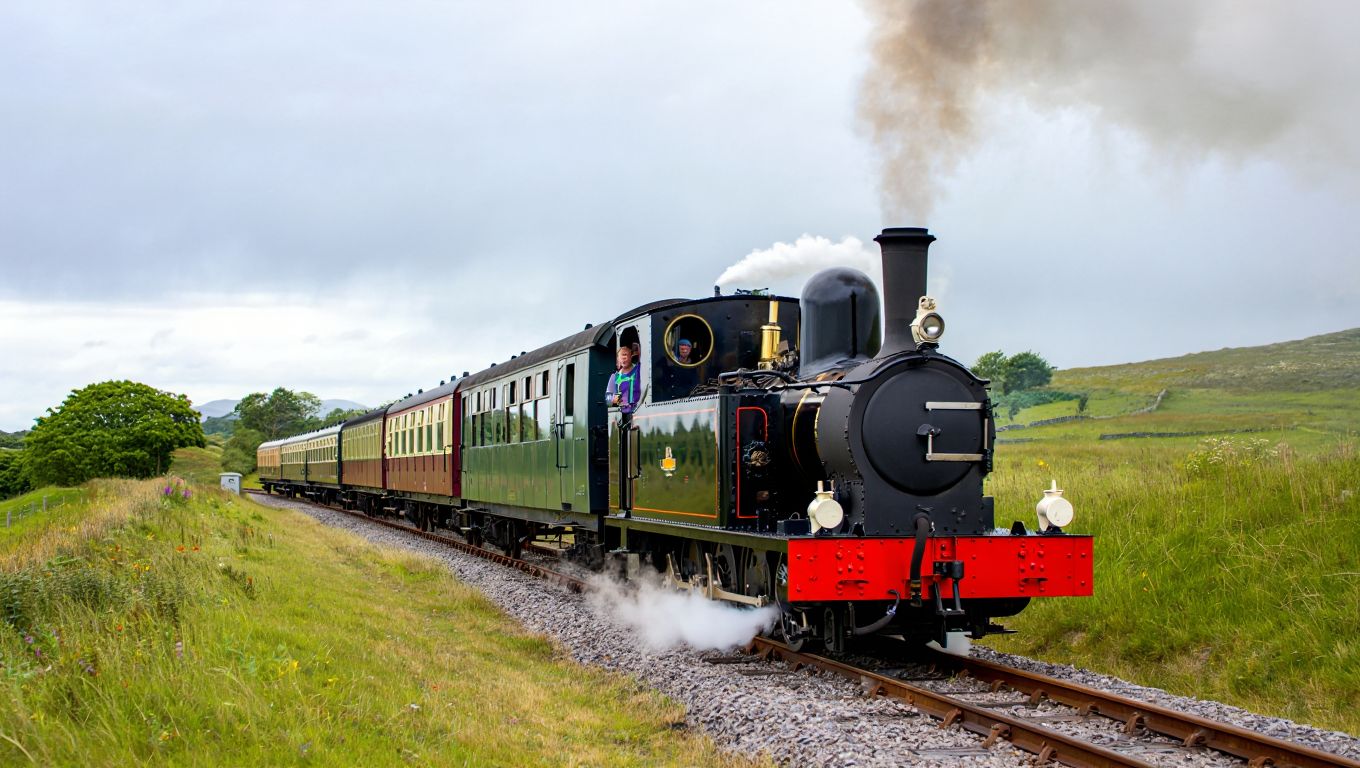
Salt air and turf smoke mingle as a curl of steam lifts over the Clare boglands. Cameras rise, children wave, and a whistle cuts the Atlantic breeze like a familiar melody. After years of careful work, a beloved narrow‑gauge icon makes a measured return, inviting locals and visitors to step into moving history.
The long road back
This revival did not arrive with a single splash, but with thousands of small victories. Volunteers stripped paint, re‑metalled bearings, and learned forgotten tricks from oil‑stained notebooks and oral memory. Funding came in bits and bursts, matched by stubborn patience.
“In the end it was about respect—respect for the people who built it, and for the folks who still care,” said one veteran restorer. Another volunteer laughed about the moment the boiler first beat like a warm drum, adding, “That sigh of pressure? It felt like the line took a first full breath.”
Nothing here is quick, nor could it ever be rushed. A heritage locomotive demands precise rituals: daily inspections, water tests, and the slow art of making fire behave like a courteous guest.
A day on the rails
The platform hums with soft anticipation, green guard’s flag tucked under a crisp sleeve. There’s the metallic clink of a ticket punch, the scent of warm oil, and the rasp of sand beneath careful wheels. When the regulator eases open, the driver’s hand is stone‑steady and kind, coaxing piston and valve into gentle conversation.
Out the window, reeds tremble under a wide sky, and stone walls scribble across bright fields. Gulls wheel above glinting estuaries, and a white‑painted level crossing gate swings with stubborn dignity. The rhythm settles into click‑tock music, a heartbeat older than motor traffic.
“It’s not just a train; it’s a memory machine,” offers a smiling guard as stamps thud on card tickets that already feel like small souvenirs, warm from a gloved palm.
What the lens finds
Photographers chase the plume like a drifting pennant, backpedaling to frame engine, coach, and Atlantic light. A burst of soot freckles a lens, then becomes soft texture in the editing suite. At a bridge, reflections split and rejoin, iron and water trading bright secrets.
You will see faces framed by varnished wood, cheeks lit by coal‑orange glow. You will see boots powdered with ballast dust, and a driver wiping glass with an old rag that has known more summers than most tourists. You will see a conductor tip a well‑creased cap, and hear someone whisper, “There,” as if a heron were the real celebrity.
Practicalities for summer 2026
Schedules are designed around slow pleasure, not frantic timing. To keep crowds comfortable and maintenance on track, services are limited and best booked in advance. Plan like a patient traveler, and the line will repay you in quiet moments.
- Check running days and departure times on the official channels, book tickets early, and arrive at least 30 minutes before your train. Accessibility, parking, and weather notes are updated frequently, with staff ready to offer friendly local guidance.
Craft, conservation, and care
Heritage steam is a study in balanced responsibility. Crews burn fuel thoughtfully, keep runs short, and monitor stack emissions with modern instruments. Water is managed with practical discipline, and wildlife habitats near the line receive careful respect.
“It’s about leaving no careless fingerprints, even when you’re handling iron and fire,” says a young apprentice who learned to lap valves beside a retired fitter, swapping stories between measured taps of emery and gauge.
Behind the scenes, the stores are tidy with labelled bins: cotter pins, lubrication wicks, and gaskets stacked like coiled punctuation. On a chalkboard, a to‑do list becomes a living ledger, proof that preservation is work that never truly finishes.
Small economies, big hearts
The train draws visitors to cafes that toast brown soda, to galleries that frame wild Atlantic hues, and to B&Bs where breakfast is served with quiet pride. Drivers share directions as readily as they share a cheery wave, mapping out day trips to dunes, cliffs, and tide‑curled inlets.
Local voices catch the note of returning energy. “When the whistle goes, the village sits up straight,” says a shopkeeper who now stocks postcard reels beside jars of old‑fashioned boiled sweets.
Why it matters
The line speaks to a stubborn, musical resilience—a promise that craft, place, and time can meet in public joy. On board, strangers trade childhood memories, and a driver explains how steam finds its sure path through a cold morning’s air.
Here, machinery is not a barrier but a bridge, joining stories from peat‑cut days to smartphone nights. The photographs you take will be more than bright scenes; they will be proof that some rhythms deserve deliberate keeping.
As dusk leans over the coast, the final run exhales pale silver, carriages ticking as they cool in the soft dark. Footsteps fade, and the platform returns to gulls, grasses, and a far, faithful echo—the kind you carry home, and hear again when you close your eyes.

This seems a strange article. A lovely creative writing exercise but not sure it has purpose. Is there a West Clare steam train on a track somewhere in Ireland. This is great news if so, but where? I may be missing something looking at the article on my phone maybe?
Its in Moyasta. It took alot of fundraising to get that train restored and running it’s great to see it running again
Where is this train operating? We’re told to book in advance but no indication of where or whom to contact. Please advise. If operating this steam train is of great interest. I know they tried at Moyasta but that folded some years ago.
Next time I am in Mullingar, I will have to call in and see if I can get more details
Where is this train running from? Its back forn2026 but where?
For heaven’s sake! Has the author of this extremely lush and lavish piece forgotten the essential rules of an informative article? What? Where? When? How? That is: What exactly is happening, Where will it take place, When exactly will it happen, and How does one book or obtain tickets.
So much purple prose, not a clue about the all-important detail. And on such a topic of interest!
I find that a lot of these articles are informative about some lovely places in Ireland but many essential details are missing in particular the exact location, contact details etc.
That’s because it isn’t real
Where? No practical details please
Where..when..what cost
The west Clare railway website says it’s still closed? When exactly is it open again?
Essential information missing. Where, when and cost. A number of weeks ago article about a lovely town in Ireland but didn’t name the down. Needs to give more detail
Essential information missing.
This railway has been closed since 2022
This the new train system as iranoid Eireann just released for to carry the migrants around as they get off the planes and ferry’s in the south and live empty apartments in the west of Ireland towns…
it’s name is mehole the tank engine carrying migrants about.. I bet they will get their tickets to the intreo offices on the van Der line express.. The new migrant working are you mad they are running from work and found treasure Ireland.. At least this train is running on its own steam not on EU fuel…… Choo choo EU EU Choo choo
Remember this is for the normal plebs it’s the new Irish migrant ” non worker running from war and work” They need to carry normal people to work as we may afford electric or petrol cars…. Get on the migrant express don’t work get a house pretend your running from war it’s easy tell your a killer/rapist you’ll by for an apartment it’s so easy……