The morning I left, Dublin felt like it had been rinsed in salt. I carried a pressed suit in a thin plastic bag and a small backpack of maybe. My phone kept vibrating with kind messages and one furious truth: I was meant to be somewhere holy, and I was walking toward a gate.
I wasn’t running from love so much as running from a script. The ring weighed like a borrowed stone, and the future felt pre-written in someone else’s handwriting. “Airports are cathedrals of maybe,” I whispered to the automatic doors, and stepped through.
The call at Gate 228
The loudspeaker sang my name, unmusical and unexpectedly tender. I could have turned back, color still in my cheeks, apologies queuing like unpaid bills. Instead I walked to the end of the carpet, where floor becomes sky.
A woman in a navy jacket asked for my passport, and I handed over my doubt. “Big day?” she said, seeing the suit, and I learned how easily strangers open locks. “The biggest,” I said, and felt a small storm roll through my ribs.
Why I walked away
Aoife was kind, fierce, brilliant in the ways that make a life sing. But I had mistaken admiration for promise, and momentum for choice. In the final fittings, surrounded by pale flowers, I heard a quiet sentence: You want to be brave, but you’re being good.
The honest thing would have been weeks earlier, in a kitchen, with mugs of steam. I was not that brave, not then, not yet. So I did the clumsy thing, the raw and public thing, and stepped onto a flight that offered air I could actually breathe.
Thirty-seven thousand feet of honesty
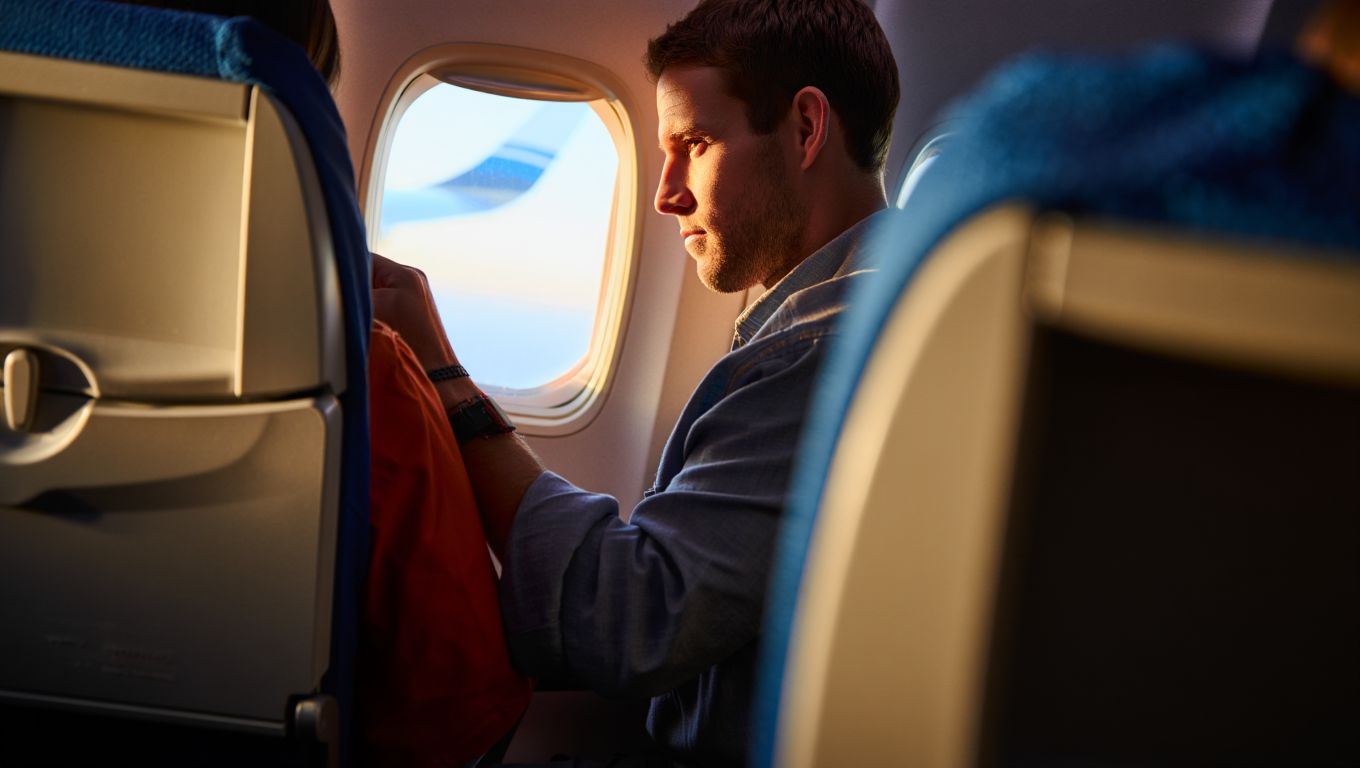
Somewhere over the sea, the cabin dimmed to a forgiving blue. My seatmate, an Icelandic grandmother named Marta, knitted in small, competent loops. She looked at my restless hands, and said, “The heart hates a vague promise.”
We talked about storms, both meteorological and marital. About maps, and how they hide the weather. “Marry the life, not the day,” she said, like dropping a stone into very clear water. My chest finally answered, the way a crowd answers a final song.
I switched my phone to roaming and typed the plain truth. “I can’t stand in front of you and pretend,” I wrote to Aoife. “I’m sorry I learned this so late.” I sent it as the wing shaved a cloud, and braced for the echoing silence.
Landing somewhere new
Reykjavik greeted me with a wind that cut and clarified. The sky was pewter, the streets quiet, and the air smelled of warm bread and old lava. I booked a room the size of a crisp idea, and walked until my legs turned useful again.
“Begin with names,” I told myself, and learned how to say takk. I ate fish that tasted like freshly sharpened pencils, and listened to a busker sing a ballad I didn’t need to translate to hurt. That night the clouds tore open, and a smear of green found the dark.
I didn’t cry in the usual cinematic way, but my breath went strange. I thought of childhood coasts, and my father lifting me to see a lighthouse. “Don’t blink,” he said once on a wet pier in Galway, “or you’ll miss the warning.” I had blinked, then stared.
What changed after the flight
Back home took weeks, not because of miles, but because of spine. The voice messages were sharp, then soft, and then they were simply over. “Take the time to become a person,” Aoife finally wrote. “I will take mine, too.”
I moved to a small flat near the sea, and took work that felt true. Guiding small walking tours, writing scraps of travel, learning to cook more than comfort food. I called my mother, sat with my father, and learned how to answer a question without hiding.
Here’s what that flight taught me, written without the safety of poetry:
- Choose with your whole mouth, not with polite silence.
The life that followed
I kept going, slower now, with a map I could fold into my pocket. Lisbon for the light, Tbilisi for its generous bread, the Burren for its stern beauty close to home. I collected fewer photographs, more ordinary mornings.
People asked for a neat moral, a ribboned box. “It was cruel,” one friend said, “but also necessary.” Both were true, and holding both made me strangely honest. “Regret is a kind of fuel,” I told Marta later by email, “but love is the actual engine.”
I met someone in Galway, laughing behind a crooked fringe in a coffee queue. We built a small, accurate life, with plants we sometimes overwater. On certain clear nights, we go outside to find the faintest northern haze, a rumor of the magnetic.
The suit still hangs in a garment bag, and the ring sits in a shallow drawer. I don’t perform penance; I practice presence. Some mornings I wake to gulls like unwound alarm clocks, make strong tea, and write four honest lines before the day makes its loud claims.
People imagine bravery as a roar of fire, but I have come to prefer the pilot light. Small, steady, stubbornly blue, keeping the room from freezing. On a long walk along the Cliffs, I said the quiet sentence out loud: I did the wrong thing, and it saved my life.
If you ever find yourself at a gate, holding a ticket that feels like a mirror, listen for the voice below the capillaries. It will not flatter or make sweet promises. It will say, very clearly, Go where you can tell the truth. Then step forward, and let the floor become sky.

I think you should write a book..your writing is beautiful..start today.
Patricia