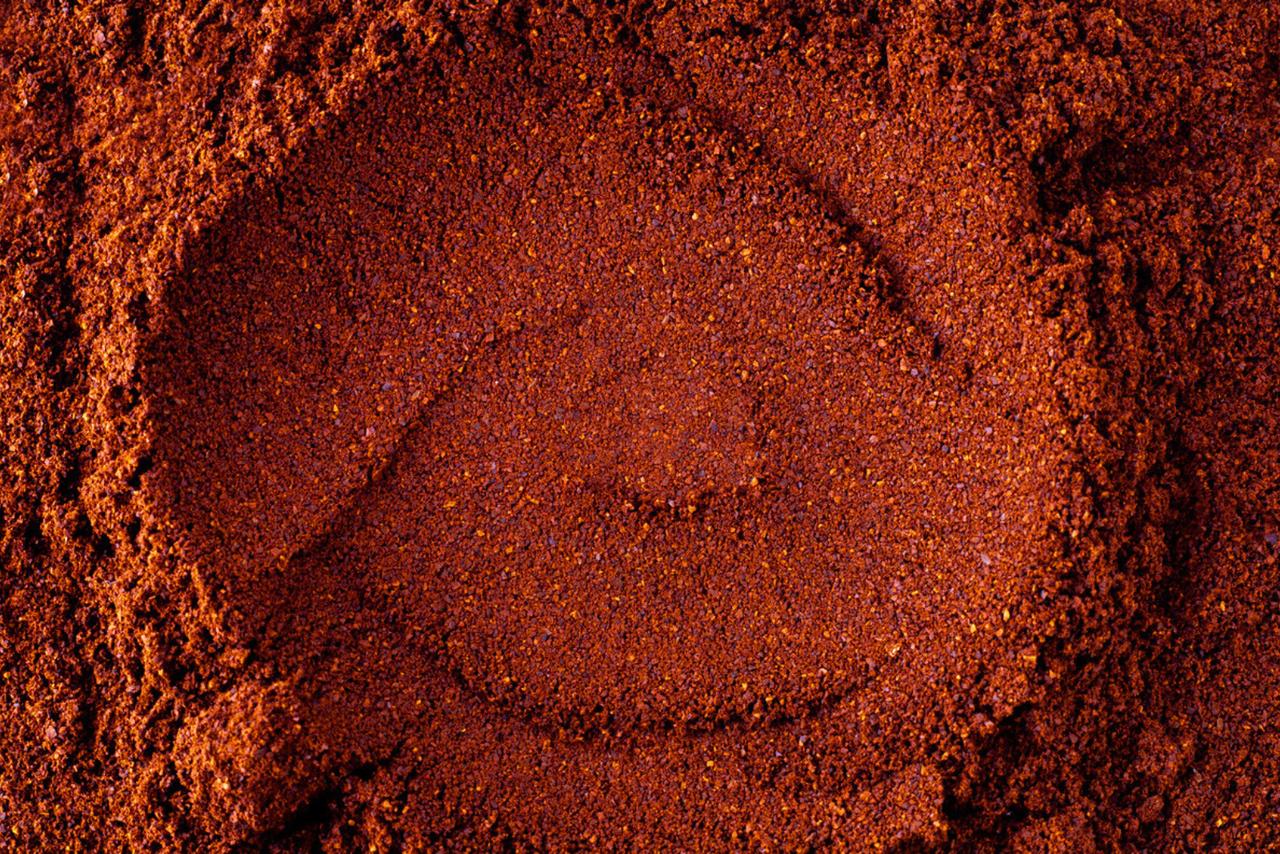
From grounds to grit: turning coffee waste into stronger concrete
Each year, the world brews billions of cups of coffee—and leaves behind mountains of spent grounds. What was once a soggy nuisance may now be a structural asset. Researchers at RMIT University in Australia report that roasted coffee residue, transformed through a controlled thermal process, can reinforce concrete while cutting environmental burdens across multiple fronts. By converting the waste into a high‑carbon, porous biochar, the team replaces a portion of conventional aggregate and boosts the material’s mechanical performance.
At the heart of the technique is pyrolysis: heating coffee grounds above roughly 350 °C in the absence of oxygen. This treatment stabilizes the carbon, drives off volatiles, and produces a lightweight char whose internal porosity helps interlock with cement paste. When blended into the mix—typically as a partial substitute for fine aggregates—the char enhances density at the micro‑scale and limits microcrack propagation. Lab results point to compressive strength gains that can reach about 30%, depending on dosage and curing conditions.
Why this matters: waste, sand, and carbon
Coffee generates an enormous stream of organic waste, much of which currently decomposes in landfills and emits methane, a potent greenhouse gas. Diverting grounds into building materials reduces those emissions while cutting demand for virgin sand—a resource increasingly scarce due to aggressive river and coastal extraction. In effect, a daily habit becomes a feedstock for a more circular economy, creating value where disposal once carried only costs.
The construction sector faces parallel pressures: lower embodied carbon, improved durability, and responsible sourcing at scale. Coffee‑derived biochar offers a triple benefit—strength, waste reduction, and aggregate conservation—in a pathway compatible with existing batching and mixing infrastructure. While more verification is needed in field settings, the early balance of benefits is already compelling for designers and contractors seeking credible low‑carbon alternatives.
- Less organic waste to landfill and lower methane emissions
- Reduced reliance on natural sand and riverbed mining
- Improved compressive strength and potential durability gains
- New revenue for waste managers and coffee‑rich urban ecosystems
- A replicable model for other organic residues and industrial by‑products
How it performs: durability, standards, and scale‑up
Strength is only one piece of the performance puzzle. Long‑term durability governs real‑world service life, and the research team is expanding tests across freeze–thaw cycling, water absorption, abrasion resistance, and chloride ingress that can drive steel corrosion. Microstructural analysis—using techniques like SEM and X‑ray diffraction—is clarifying how the char integrates with calcium‑silicate‑hydrate phases in the cement matrix.
Equally crucial are repeatability and standards. Coffee grounds vary by origin, roasting level, and particle size; consistent pyrolysis recipes and quality controls are therefore essential. Producers will need certification pathways, mix‑design guidelines, and performance specifications aligned with regional codes and agencies. Life‑cycle assessments will quantify net greenhouse‑gas impacts, accounting for transport, processing heat, and end‑of‑life options.
Supply chains can draw on abundant urban sources: cafés, offices, and industrial roasters generate steady volumes of grounds. Centralized collection paired with distributed pyrolysis hubs could keep logistics efficient and costs competitive with conventional aggregate blends. As pilot pours expand to sidewalks, slabs, and non‑critical elements, data will tighten dosage windows and best‑practice protocols.
“As engineers, our job is to turn everyday waste into reliable infrastructure—and to prove it on site, not just in the lab.”
Beyond coffee: a blueprint for circular construction
The promise here stretches beyond a single ingredient. Coffee biochar demonstrates how organics can be thermally stabilized and functionally upcycled into high‑value composites. Similar pathways could adapt rice husks, nut shells, or sawdust into cementitious systems, each tuned to maximize strength while minimizing impact. Pairing waste valorization with responsible aggregate sourcing advances the sector’s decarbonization agenda and helps preserve aquatic and riparian habitats stressed by sand extraction.
This approach also resonates with place‑based stewardship. Concepts akin to “Caring for Country” emphasize circular flows, respect for local materials, and designs that honor ecological limits. Embedding those principles into procurement and specifications can shift markets toward regenerative outcomes, where the cheapest option is not the one that externalizes environmental costs.
What began as an experiment with a morning ritual is edging toward a practical tool for greener buildings. If pilot projects validate durability and cost at scale, municipalities could adopt coffee‑char concrete for pavements, precast elements, and low‑to‑moderate stress members. Each cup poured would be a small investment in sturdier, cleaner, and more resource‑wise infrastructure—proof that innovation can be as common as a barista’s daily grind.

Contact details
Address:
Farmers Forum,
36, Dominick Street,
Mullingar,
Co. Westmeath,
Ireland
Phone:
+353 (0)44 9310206
Or email us:
For technical issues please check out our FAQ's page or email - [email protected]
For general Queries email - [email protected]
Request to add event to our Calendar - [email protected]
Send us your mart reports - [email protected]
Suggestions and feedbacks - [email protected]
News Items / Press Release - [email protected]
To Advertise on Farmers Forum - [email protected]