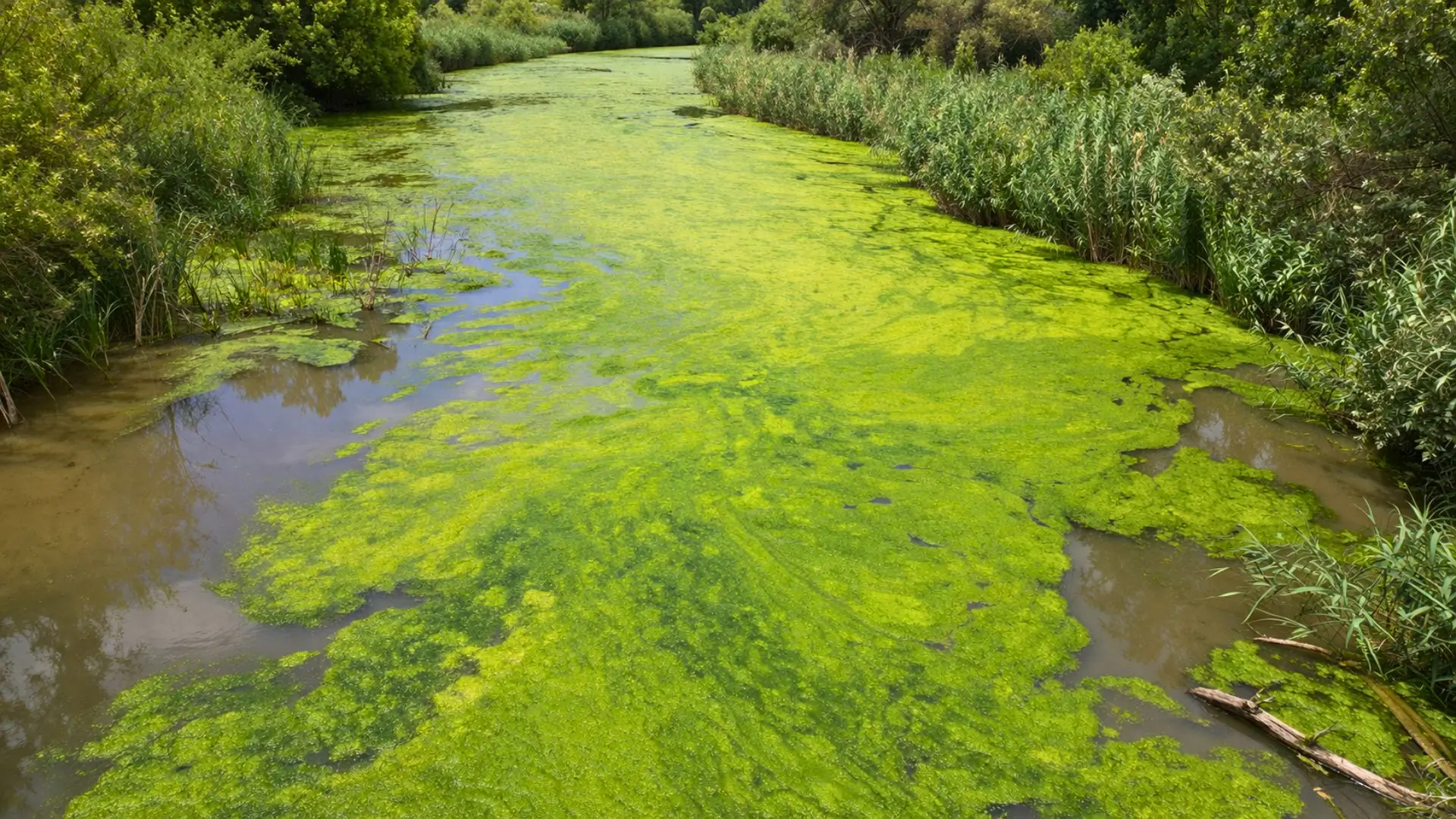
Fish swim in water their entire lives, but can they run out of air there? The answer may surprise: these animals can indeed suffocate within their own habitat. Understanding their breathing is to grasp the invisible fragility of aquatic ecosystems.
Paper-thin lamellae: how gills extract oxygen from water at every moment
Each fish breathes through its gills, organs located on either side of the head. Water enters through the mouth, then passes over finely vascularized lamellae. This biological filter captures dissolved oxygen and releases carbon dioxide back into the water.
Gill respiration relies on the passive diffusion of gases. Oxygen, more concentrated in water than in blood, naturally moves toward the capillaries. The gills extract about 75% of the oxygen that passes through them. This efficiency far surpasses that of human lungs.
Yet this mechanism remains contingent on water quality. The water must contain enough dissolved oxygen to enable gas exchange. Several factors disturb this balance. Pollution, the rise in temperatures, and algal blooms deplete aquatic environments of oxygen.
Eutrophication, fishing nets, warm water: the causes that deprive fish of their vital oxygen
Eutrophication results from an excess of nutrients in the water, often caused by agricultural fertilizers and industrial discharges. This overload promotes algal blooms. As they decompose, these algae consume all available oxygen and create dead zones where no fish survive.
Some sharks must swim constantly to keep water moving over their gills. An immobilized shark, caught in a net or deprived of its fins, suffocates quickly. Damaged gills, from parasites or contact with fishing gear, trigger the same fatal outcome.
The arapaima survives out of water, the lungfish buries itself in the mud: these remarkable fish defy the rules
Out of water, fish gills dry and shrink the exchange surface to the point of suffocation. The Amazonian arapaima, however, is an exception: this giant of freshwater possesses a modified swim bladder that lets it draw oxygen directly from ambient air.
The dipnoid, or lungfish, goes even further. Appearing around 400 million years ago, this creature encompasses six species. They inhabit rivers in Africa, Australia, and South America. Its primitive lungs allow it to breathe air and survive long dry spells.
Whales and turtles breathe like you do: their physiological adaptations defy the rules of diving
Whales, turtles, and crocodiles surface to breathe. Unlike fish, these animals possess lungs. Yet, their bodies unfold remarkable physiological adaptations. A high concentration of muscle myoglobin allows them to store far more oxygen.
During dives, these animals slow their heart rate, a mechanism known as bradycardia. Blood flow is redirected to the brain, the heart, and the muscles. Some sperm whales have lungs capable of fully collapsing to withstand the pressures of great depths.
Turtles and crocodiles lower their metabolism to extend their immersion. Other species, like the elephant seal or the leatherback turtle, push these abilities even further. The absolute record belongs to a Cuviers beaked whale, which stayed underwater for three hours and forty-two minutes.

Contact details
Address:
Farmers Forum,
36, Dominick Street,
Mullingar,
Co. Westmeath,
Ireland
Phone:
+353 (0)44 9310206
Or email us:
For technical issues please check out our FAQ's page or email - [email protected]
For general Queries email - [email protected]
Request to add event to our Calendar - [email protected]
Send us your mart reports - [email protected]
Suggestions and feedbacks - [email protected]
News Items / Press Release - [email protected]
To Advertise on Farmers Forum - [email protected]