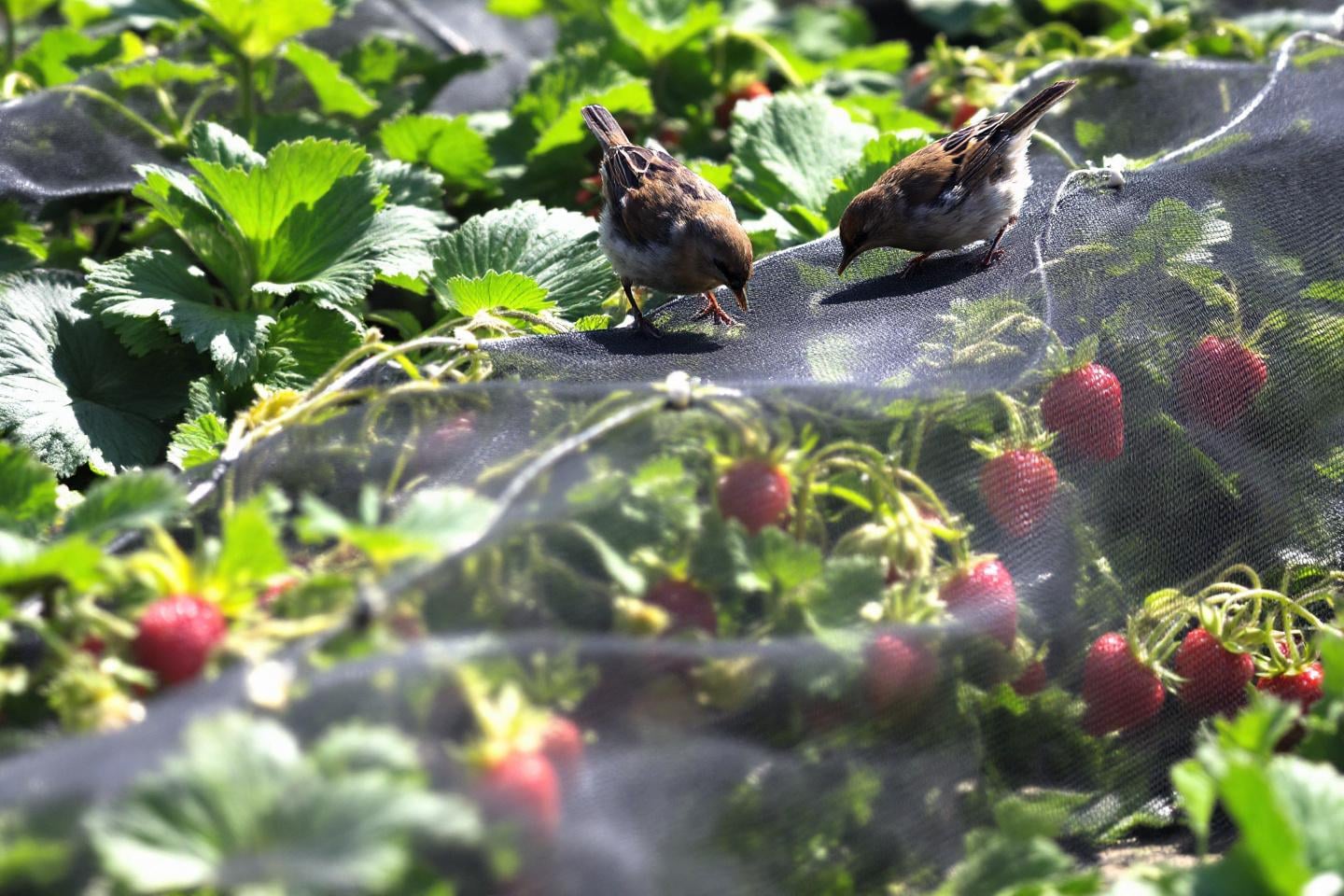
Why June Demands Swift Protection
As the first fruits blush in early summer, garden visitors grow suddenly bold, and your sweetest harvest turns vulnerable. Birds track color like beacons, learning which beds pay off with consistency, then returning at dawn for effortless pickings. A simple, timely intervention—netting installed just as fruits begin to color—keeps abundance on your side and thievery at bay.
June is the narrow window when you must balance pollination with protection, letting flowers set before you shield the bounty. Done at the right moment, this safeguard preserves natural cycles while preventing a week’s worth of loss in a single morning.
Spot the Ripening Cues Before Birds Do
Watch for the first shift from green to streaks of soft rose, and from firm to slightly supple. Strawberries flush, currants glow, and cherries deepen day by day, announcing to every robin that dessert is served. When even a handful of fruits show credible color, it is time to deploy your protective screen.
Do not wait for full maturity; some birds peck fruit that is merely promising, not perfectly ripe. Check beds in cool, early light, when color stands out and texture is easiest to judge. A quick morning walk can outpace the most punctual neighborhood merle, saving weeks of patient care.
“Protect on the first visible blush, not the first perfect fruit—the difference is a harvest kept, not a harvest lost.”
Choosing and Installing the Right Netting
Select netting that balances durable fabric with wildlife safety. Fine mesh guards small fruits with reliable coverage, while mid-size openings deter birds without trapping helpful insects. Green netting blends discreetly into foliage, while white netting adds a strong signal that keeps birds wary at a distance.
Support the net above foliage on hoops or sturdy canes, creating a cool, airy canopy. Anchor edges with pins, stones, or timber so no clever beak can pry, tug, or slip under. Aim for taut, lifted coverage that prevents contact between fruit and mesh, reducing rot and accidental snags.
- Measure the full bed, then add generous allowance for growth, wind, and secure tethers.
- Keep netting slightly elevated to promote airflow and speed surface drying.
- Close gaps at soil level, especially around corners and uneven edges.
- Leave a quick-access flap for harvesting, secured with clips you can open and relock.
- Inspect after wind or heavy rain, tightening anchors and smoothing sags.
Pollinators First, Then Protection
Let flowers welcome bees before enclosing the ripening clusters, especially on cane fruits and early strawberries. Once petals drop and tiny fruitlets form, you can introduce a barrier without derailing essential visits. If blooms persist on mixed-age plants, open the net midday when bees are most active, then reseal before evening forays.
Mesh size matters for both safety and ecology; opt for wildlife-friendly designs that resist accidental snaring. Check edges and tension so birds cannot enter, and larger beneficials can move safely around the protected zones.
Complementary, Nature-Friendly Deterrents
Reinforce nets with light, changeable scares, keeping birds from learning fixed patterns. Reflective ribbons, swiveling mobiles, or fluttering foil throw unexpected glints, unsettling routine flight paths. Gentle sound—a wind chime, clapper, or bead string—adds variety without stressing local wildlife.
Play to diversity by mixing bold textures and aromatic companions, confusing sight and scent-based bird foraging. Mint, basil, and marigold borders add lively contrast while drawing pollinators into the wider patch. Some gardeners plant a small “decoy” row to absorb first pecks, sparing the prime crop.
Read the Signs of Bird Activity
Fresh holes with tidy edges, half-hung strawberries, or cherry skins littering the mulch are unambiguous signals. Perching and repeated flyovers mean scouting is underway and pecking is next. Increase vigilance when morning birdsong grows loud, because confidence often precedes a swift raid.
Keep a simple log of color change, bird traffic, and minor losses. Patterns clarify when to install, tighten, or adjust your chosen barriers. Small, steady improvements compound into heavy bowls of flawless, garden-warm fruit.
Maintain, Harvest, and Celebrate
Every few days, walk the perimeter with calm, attentive eyes, re-pinning any lifted edge. After storms, retension the canopy and shake pooled water, restoring clean lines and good airflow. Clear fallen fruit promptly to avoid attracting opportunistic visitors from hedge or sky.
When picking, open only the needed panel, then close it carefully before stepping away. Gather ripe fruit promptly to relieve branch strain and keep flavor at its fragrant peak. Consistency here makes the difference between sporadic wins and a season-long, generous harvest.
A June Routine That Pays All Season
This is a small habit with big, repeatable returns: observe early, protect smartly, and adjust with kindness. You will guard what you grow while honoring the broader life of your living garden. With timely netting and thoughtful tweaks, you trade sighs for baskets, and hungry beaks for grateful hands.

Contact details
Address:
Farmers Forum,
36, Dominick Street,
Mullingar,
Co. Westmeath,
Ireland
Phone:
+353 (0)44 9310206
Or email us:
For technical issues please check out our FAQ's page or email - [email protected]
For general Queries email - [email protected]
Request to add event to our Calendar - [email protected]
Send us your mart reports - [email protected]
Suggestions and feedbacks - [email protected]
News Items / Press Release - [email protected]
To Advertise on Farmers Forum - [email protected]