The Little Ferment That Could
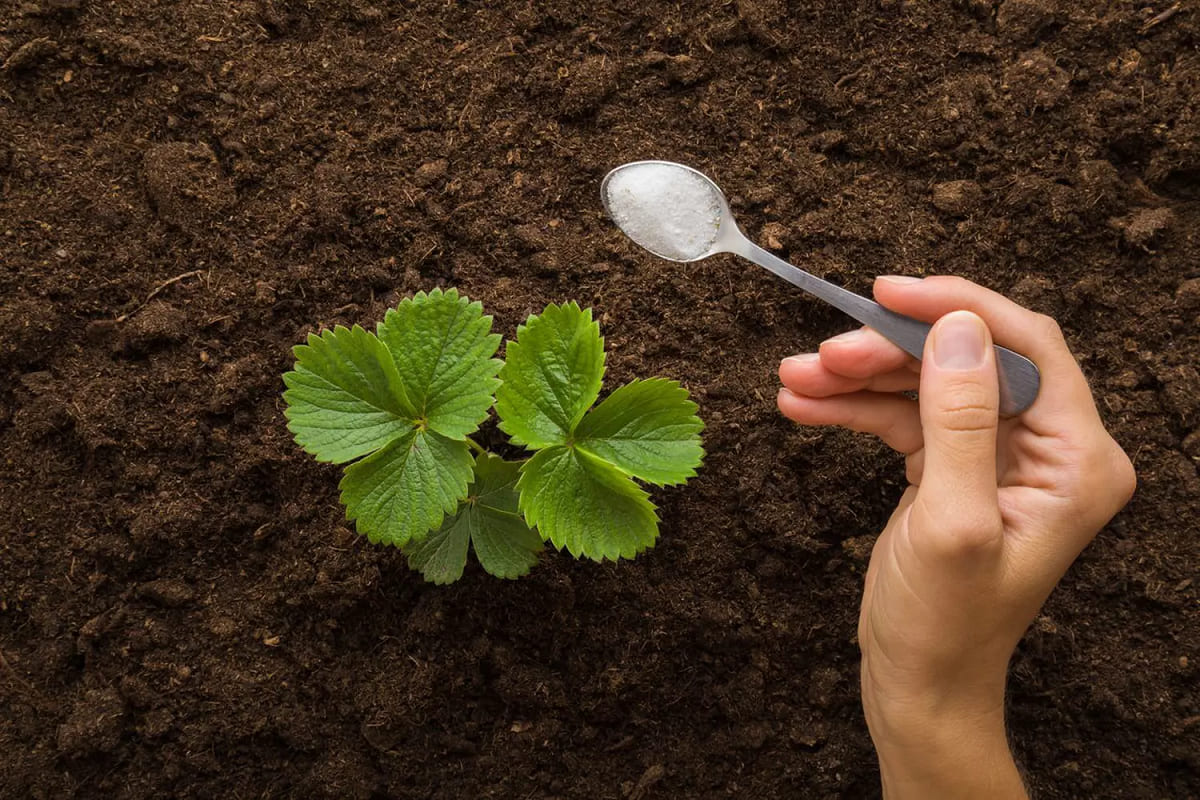
A small spoonful can spark unusually large results in a strawberry bed. With a humble kitchen ferment, plants respond with thicker crowns, sturdier roots, and oversized fruit. Gardeners love this method because it is inexpensive, natural, and quick to prepare. The payoff is flavor as well as size, delivered by living biology rather than synthetic salts.
The Simple Mix
At its core, the recipe uses yeast to awaken soil life. Combine fresh or dry yeast with lukewarm water and a hint of sugar, then allow a gentle fermentation to build beneficial compounds. After a day, dilute the starter so it becomes a plant-safe tea. This balanced infusion feeds soil microbes that, in turn, nourish strawberry roots. Many gardeners tuck a tablespoon of the concentrated brew beneath each plant, then follow with the diluted solution to carry nutrients deeper into the rootzone.
Why It Works
Active yeast carries B vitamins, amino acids, and trace minerals that complement standard fertility. The added sugar acts as microbe fuel, accelerating the microbial loop that liberates nitrogen, phosphorus, and potassium. As those microbes multiply, they improve soil structure and water holding, which limits stress during hot spells. Healthier roots extract more nutrients, pushing blossoms toward bigger, juicier berries. It is a classic indirect feed: you nourish the soil, and the soil nourishes the plant.
How To Apply Without Overdoing It
Think of this mix as a biostimulant, not a heavy feed. A light application in early spring wakes plants before vigorous growth. A second dose just before mass flowering sets the stage for better fruiting. Apply again after the first harvest to support a strong flush of follow-up berries. Keep the diluted tea off leaves in bright sun, and water the soil at the drip line to avoid waste and potential scorch. If your soil is already very rich, reduce frequency to prevent soft growth.
“In a living soil, the real farmers are the microbes; we just set the table.”
Signs It’s Helping
Expect plumper crowns, thicker petioles, and glossy green foliage within a couple of weeks. Blossoms hold longer, and set rates often improve. Fruit gains more juice and a cleaner sweetness, because healthy plants balance sugar and acids more effectively. If growth appears too lush, pause applications and emphasize mulch and airflow.
Natural Alternatives Worth Exploring
Different gardens respond to different inputs, and variety keeps soil ecosystems resilient. These options echo the same principle of feeding soil life:
- Old bread ferment: Soak stale bread, let it ferment, then dilute and water around the plants.
- Nettle extract: Steep fresh nettles into a deep green tea, dilute, and apply as a mild tonic.
- Sour milk blend: Mix with mature compost for a gentle calcium boost near the root zone.
- Chicken manure tea: Pre-composted manure, well diluted, works best before heavy flowering.
Each option supports beneficial microbes while supplying a rounded profile of nutrients and signals.
Quick Tips For Giant, Sweet Strawberries
- Keep even moisture with straw mulch to limit swings and reduce fruit rot.
- Aim for six to eight hours of direct sun, especially morning light.
- Trim excess runners so energy favors crowns and fruit.
- Maintain slightly acidic soil with ample organic matter.
- Side-dress with mature compost to backstop slow-release nutrition.
- Encourage pollinators with nearby flowers for fuller sets.
Troubleshooting And Care
If leaves show pale veins, think iron or magnesium issues and check soil pH. If fruit tastes bland, reduce water just before peak ripeness to concentrate natural sugars. When humidity runs high, space plants for airflow and remove old leaves after harvest to limit disease pressure. And remember, more is not always better; biological feeds reward steady, modest use.
The Big-Picture Payoff
This approach champions soil health first, which builds resilient plants able to shrug off pests and stress. By tapping simple kitchen ingredients, you cut costs and reduce garden waste. Over time, the bed becomes a self-renewing ecosystem, where flavor and yield rise together. A tablespoon beneath each plant, a watering can of living tea, and patience—those are the quiet habits that grow unforgettable strawberries.

Contact details
Address:
Farmers Forum,
36, Dominick Street,
Mullingar,
Co. Westmeath,
Ireland
Phone:
+353 (0)44 9310206
Or email us:
For technical issues please check out our FAQ's page or email - [email protected]
For general Queries email - [email protected]
Request to add event to our Calendar - [email protected]
Send us your mart reports - [email protected]
Suggestions and feedbacks - [email protected]
News Items / Press Release - [email protected]
To Advertise on Farmers Forum - [email protected]