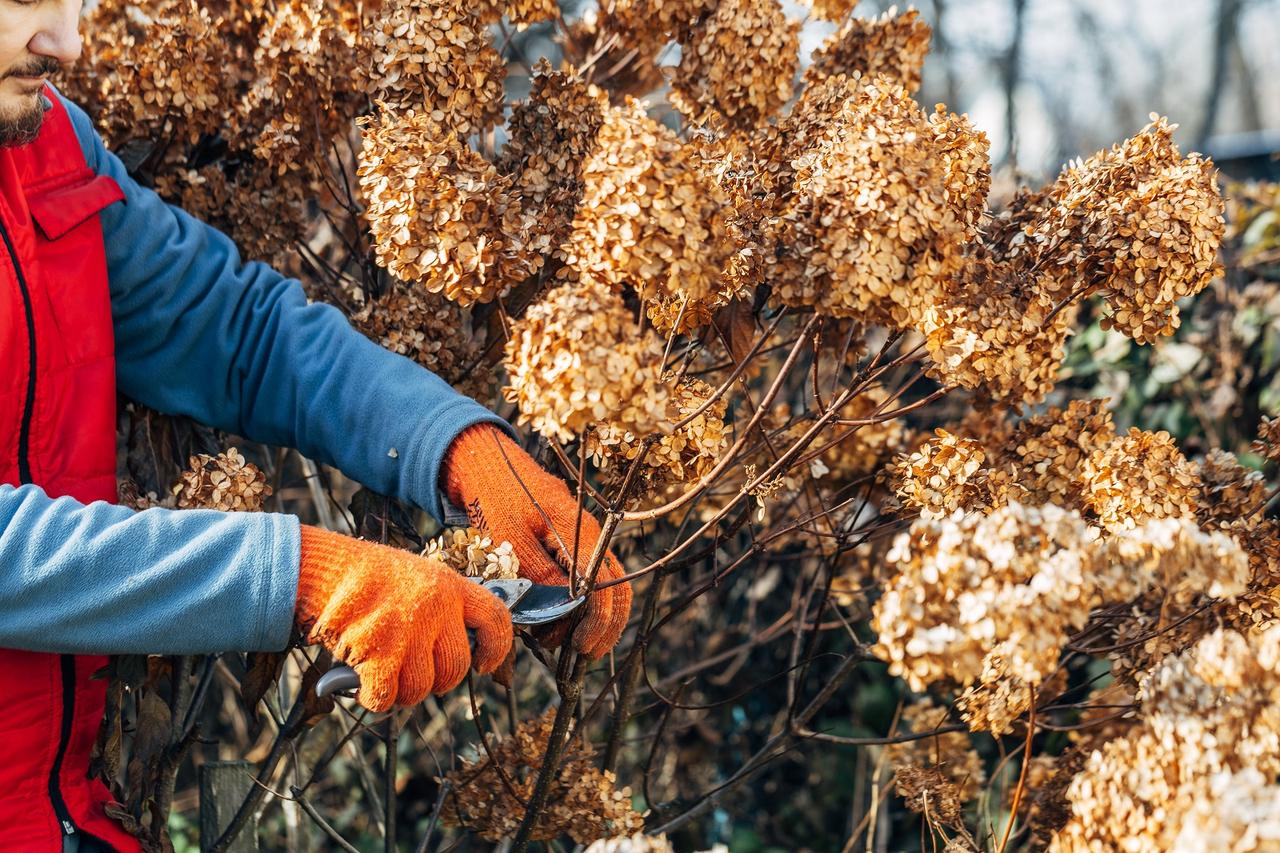
The most common misstep isn’t a lack of care; it’s an excess of it. When hydrangeas finish their summer show, eager hands often reach for the shears. In regions with cold winters, that enthusiasm can be costly. Removing spent heads and shortening stems too soon exposes tender buds, and a dramatic spring silence follows where full bloom was expected.
Why timing matters for next year’s bloom
Hydrangea flowers arise from buds formed on either last year’s wood or the current season’s growth, depending on the species. Early or overly severe cutting can strip away those embryonic flowers before they ever see the sun. In frosty climates, dried flower heads and upper stems act as insulation, guarding the nascent buds below against wind and freeze. The calendar is therefore not just a schedule; it’s protection.
What actually happens when you cut at the wrong time
Snipping in autumn where winters bite removes a natural shield. Exposed buds suffer cold desiccation, then blacken, abort, or break into non-flowering shoots. A severe, shapely haircut may look tidy in fall yet translate into sparse corymbs the next summer. The mistake feels small in the moment, but its impact is season-long.
Cut just above a swelling bud. ©Eléonore H, AdobeStock
The quiet value of faded heads
Those papery domes aren’t just remnants; they are weather-conscious architecture. Left in place, they break sleet, buffer gusts, and shade delicate tissue from sudden thaw and refreeze. Even aesthetically, their bronze lace adds winter texture, catching rime and snow with understated grace. The plant benefits, and the garden gains character.
A species-savvy view of blooming wood
Understanding where flowers are initiated makes all the difference. Different hydrangeas set buds on different timelines, so the same cut can be safe on one and harmful on another.
- Hydrangea macrophylla and H. serrata: bloom on “old wood.” Autumn or midwinter hard cuts often remove next year’s trusses.
- Hydrangea quercifolia: typically old-wood bloomer; heavy fall reduction often reduces display.
- Hydrangea paniculata: mostly new-wood bloomer; structural reduction in late winter preserves flowering.
- Hydrangea arborescens: largely new-wood bloomer; stronger late-winter cuts still yield generous heads.
A quick identification step prevents a season of regret. Leaf shape, bud position, and panicle versus mophead clues guide a safer approach.
Seasonal rhythm that favors flowers
Where winters stay mild, a light autumn “cosmetic” cleanup rarely poses risk. In colder zones, restraint pays dividends. The plant rides into winter with its own overcoat, and the promise of spring remains intact. As days lengthen and sap stirs, dormant buds reveal themselves clearly, allowing precise cuts that respect the plant’s geometry.
“Prune less, protect more, and your hydrangeas will return the favor.”
Signs the plant is ready for a refresh
Nature provides subtle cues. Buds swell into firm green buttons, showing where life is actively pushing. Dead wood stays brittle and dull, snapping rather than bending. Spent heads above healthy pairs of buds indicate safe places for reduction without sacrificing the year’s color. These markers transform guesswork into gentle editing.
Common myths that thin next year’s show
- “All hydrangeas bloom on new wood.” Reality: many classic garden types depend on last year’s stems.
- “A hard fall prune prevents winter damage.” In cold regions, it removes natural protection and increases losses.
- “Uniform height equals uniform flowers.” Over-leveling eliminates the tiered structure that supports abundant heads.
Beyond bloom: ecological bonuses
Uncut heads host overwintering insects, supporting garden biodiversity well into spring. Stems shelter tiny predators that later manage pests, reducing the need for harsher measures. What may look untidy is often an engine of balance, rewarding patience with healthier, more resilient plants.
The essence of avoiding the big mistake
Great hydrangea displays aren’t about aggressive control; they are about reading the plant’s clock. Overzealous autumn pruning in cold climates, or severe cutting of old-wood bloomers at any time, is the quiet culprit behind empty stems and missing color. A pause now fosters exuberance later, preserving the buds that become next season’s spectacle. In that pause, the garden sleeps, the buds harden, and the promise of bloom remains whole.

Contact details
Address:
Farmers Forum,
36, Dominick Street,
Mullingar,
Co. Westmeath,
Ireland
Phone:
+353 (0)44 9310206
Or email us:
For technical issues please check out our FAQ's page or email - [email protected]
For general Queries email - [email protected]
Request to add event to our Calendar - [email protected]
Send us your mart reports - [email protected]
Suggestions and feedbacks - [email protected]
News Items / Press Release - [email protected]
To Advertise on Farmers Forum - [email protected]