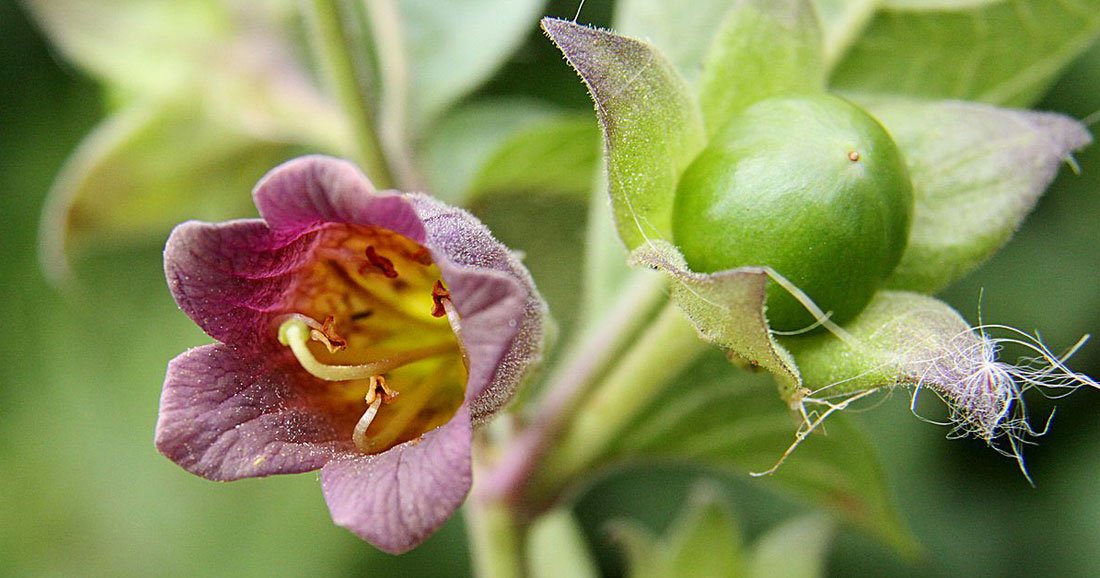
Sometimes called the devil’s cherry, or furious nightshade, the “belle-dame” has been renowned for centuries for its medicinal properties, but ingesting its dark, highly toxic berries can prove deadly.
Quite rare in the wild in France, the belladonna is a herbaceous plant that can grow up to 1.5 meters tall and particularly favors calcareous soils. Recognizable by its brown-tinted bell-shaped flower and its fleshy, glossy black berry, which can resemble a grape, it is as beautiful as it is dangerous.
It is generally estimated that ingesting two to four belladonna berries is enough to kill a child, while ten to twenty would be necessary to cause death in an adult. Consuming its leaves can provoke delirium and hallucinations.
The main culprits are hyoscyamine, atropine, and scopolamine, three potent alkaloids which, in high doses, can lead to neurovegetative disturbances, tachycardia, breathing difficulties, seizures, and even cardiorespiratory arrest.
At therapeutic doses, these substances have several medical applications. Atropine, for instance, can treat certain slow heart rhythms and reduce saliva production before surgery. Scopolamine, meanwhile, helps prevent motion sickness.
The devastating effects of the “furious nightshade” have been known for millennia. In antiquity, the Romans used to dip the tips of their arrows in a belladonna decoction to make these projectiles even deadlier.
According to a sixteenth-century Scottish chronicle, King Duncan I allegedly used this plant against invading Danes. By distributing wine and beer laced with belladonna, he would have plunged their troops into a deep sleep, allowing Macbeth and his men to ambush them.
Very sweet, the juice of belladonna berries could also be easily mixed into a drink or dish, which made it a poison of choice for centuries. According to some ancient accounts, the wife of the Roman emperor Claudius used such a stratagem to help her son Nero ascend to the throne.
This risk prompted many rulers and statesmen to employ taste-testers to avoid meeting such a fate.
The “belle dame” then became an indispensable figure in Europe during the Renaissance. Wealthy Italian women smeared their faces with belladonna-based preparations and also used its oil to dilate their pupils, thereby appearing more alluring.
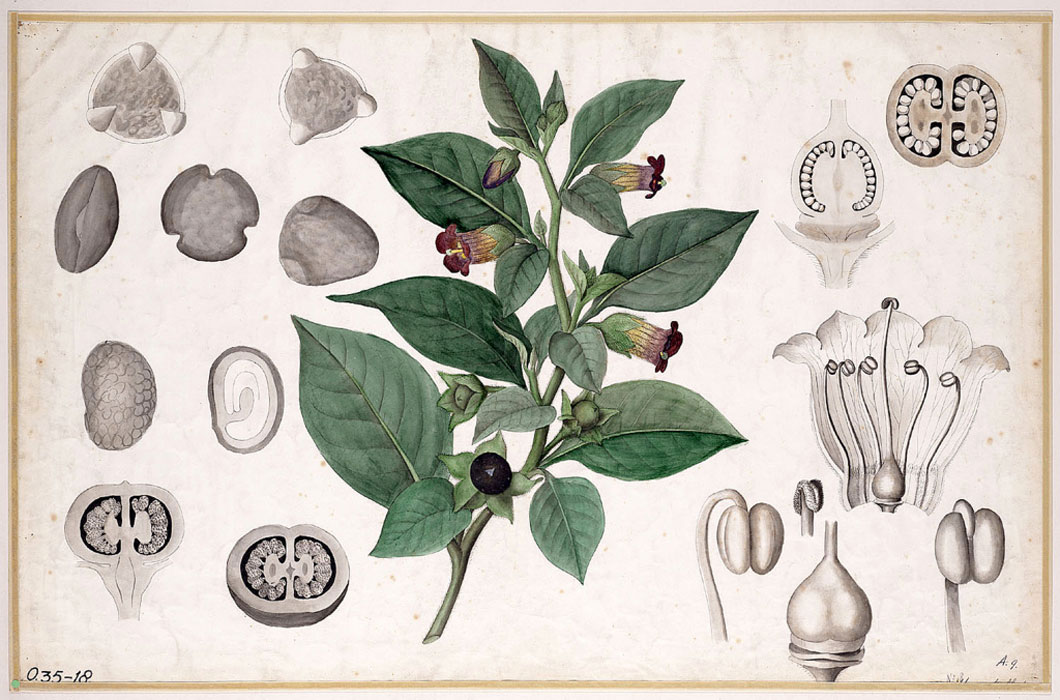
You regularly consume close relatives of belladonna: tomatoes, eggplants, peppers, and potatoes likewise belong to the Solanaceae family. If their stems and leaves contain toxic substances intended to deter would-be eaters, the parts we consume are generally safe.
To learn more, discover these 15 quirky anecdotes about plants, revealing the ingenuity of nature.

Contact details
Address:
Farmers Forum,
36, Dominick Street,
Mullingar,
Co. Westmeath,
Ireland
Phone:
+353 (0)44 9310206
Or email us:
For technical issues please check out our FAQ's page or email - [email protected]
For general Queries email - [email protected]
Request to add event to our Calendar - [email protected]
Send us your mart reports - [email protected]
Suggestions and feedbacks - [email protected]
News Items / Press Release - [email protected]
To Advertise on Farmers Forum - [email protected]