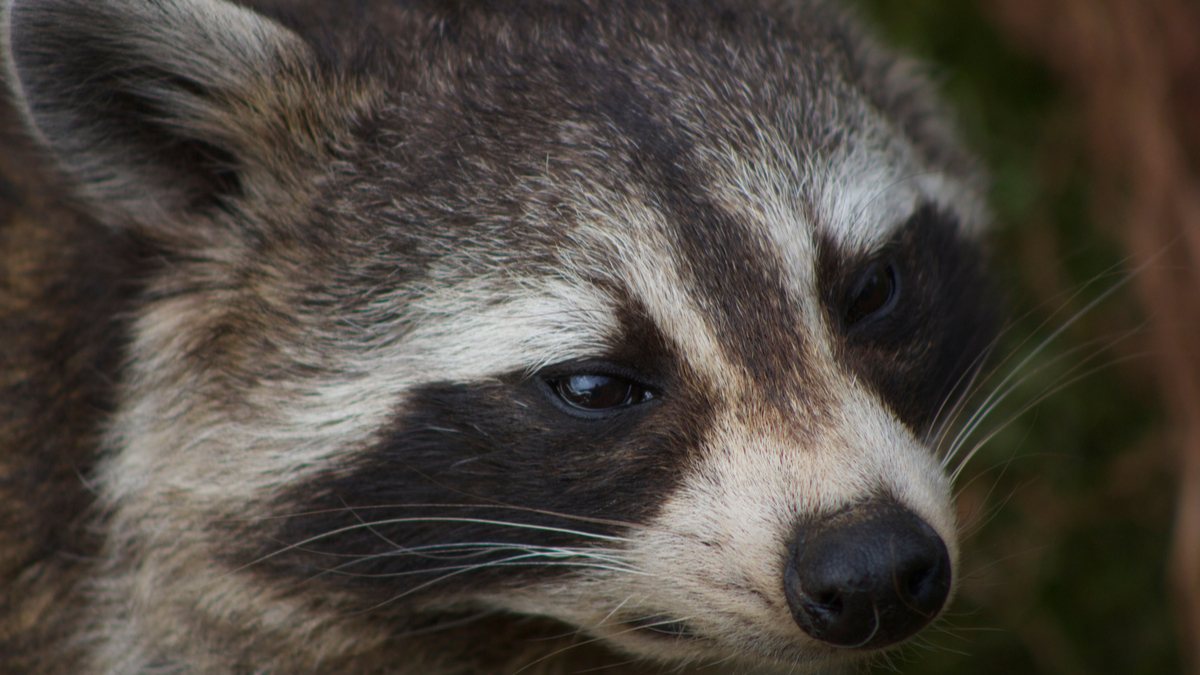
On a small Mexican island, researchers witnessed a fascinating animal behavior: tiny raccoons teaching each other how to fashion balls from discarded trash.
Crafty as a pygmy raccoon
Situated off the coast of the Yucatán Peninsula in the Caribbean Sea, Cozumel is renowned for its unique wildlife. Recently, Nessie O’Neil from the University of Miami and colleagues traveled there to document precisely the impact of tourism on the pygmy raccoons (Procyon pygmaeus), endemic to the island and regarded as critically endangered.
The team filmed one of the youngest individuals removing a piece of paper from a trash can, dunking it in a bowl of water, then rolling it in the sand to fashion a makeshift ball. In the days that followed, the same ritual was documented in other P. pygmaeus, who then participated in unlikely rounds of “animal football” with dwarf coatis (Nasua narica nelsoni), small mammals closely related to them.
As the study notes, published in the journal Wild, brothers and sisters were teaching each other this crafting technique and even tried in vain to involve their mother, whose coordination appeared to have been altered earlier in the day by consuming a margarita remnant found on the beach.
“Some animals, like tigers and chimpanzees, are known for being highly playful, but species that fashion toys for later use are much rarer,” notes Michelle Szydlowski, also from the University of Miami. “Raccoons are highly tactile creatures, effectively seeing with their hands.”
Implications for the conservation of P. pygmaeus
Today there are fewer than 200 pygmy raccoons on Cozumel. Gaining a better understanding of their behaviors proves essential for the species’ conservation, which, like Gibraltar’s macaques, now appears to be abandoning its historical food sources in favor of meals left by tourists.
For Marek Špinka of the Czech Institute of Animal Science, such discoveries illustrate how complex animal play can be. “It will be fascinating to see whether this spreads within the island’s P. pygmaeus population or disappears,” he said.
Earlier, researchers had photographed for the first time the Cozumel dwarf fox, regarded as one of the rarest canids in the world.

Contact details
Address:
Farmers Forum,
36, Dominick Street,
Mullingar,
Co. Westmeath,
Ireland
Phone:
+353 (0)44 9310206
Or email us:
For technical issues please check out our FAQ's page or email - [email protected]
For general Queries email - [email protected]
Request to add event to our Calendar - [email protected]
Send us your mart reports - [email protected]
Suggestions and feedbacks - [email protected]
News Items / Press Release - [email protected]
To Advertise on Farmers Forum - [email protected]