
In January, dormant trees respond beautifully to thoughtful pruning. Cooler days and bare canopies make defects visible and cuts cleaner, setting the stage for vigorous spring growth. A measured approach protects long-term health while refining overall shape.
Focus on removing the “three Ds” — dead, diseased, and damaged wood — to enhance airflow and light penetration. Strategic thinning reduces future breakage and helps fruiting trees allocate energy to quality crops rather than excess wood.
Essential winter tools
Reliable tools make every cut safer and every wound smaller.
- Bypass pruners for precise, clean cuts on small wood.
- Loppers for thicker branches that need extra leverage.
- Pruning saw for limbs larger than pruners can handle.
- Gloves and eye protection for comfort and safety.
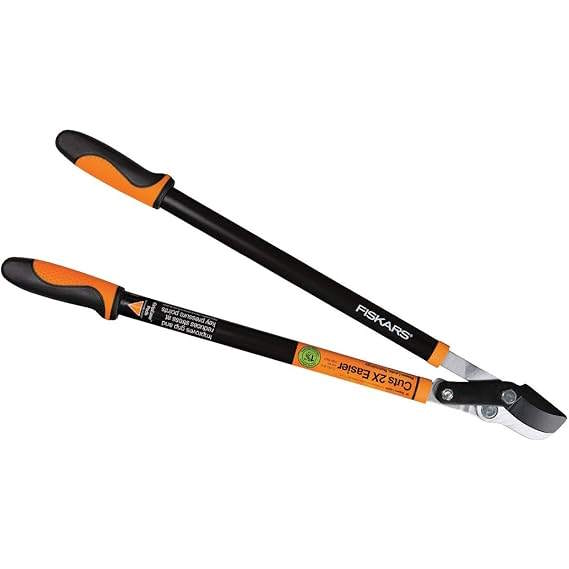
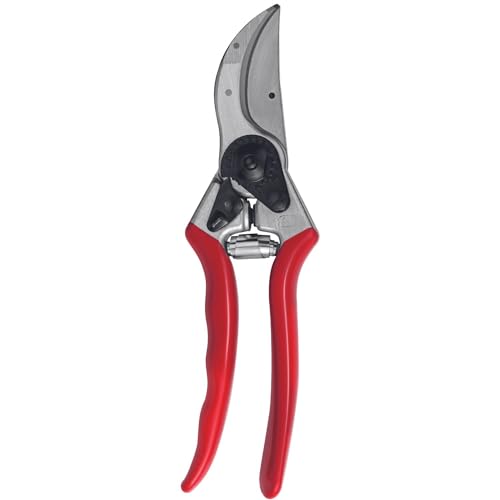
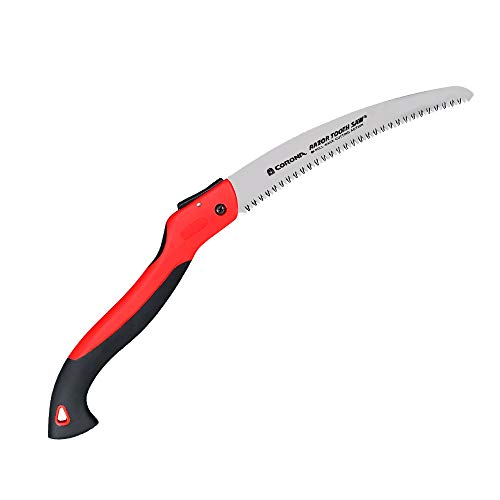
“Prune with a purpose, and every cut will serve the tree’s future.” — Experienced gardener’s guiding principle
Beech (Fagus)
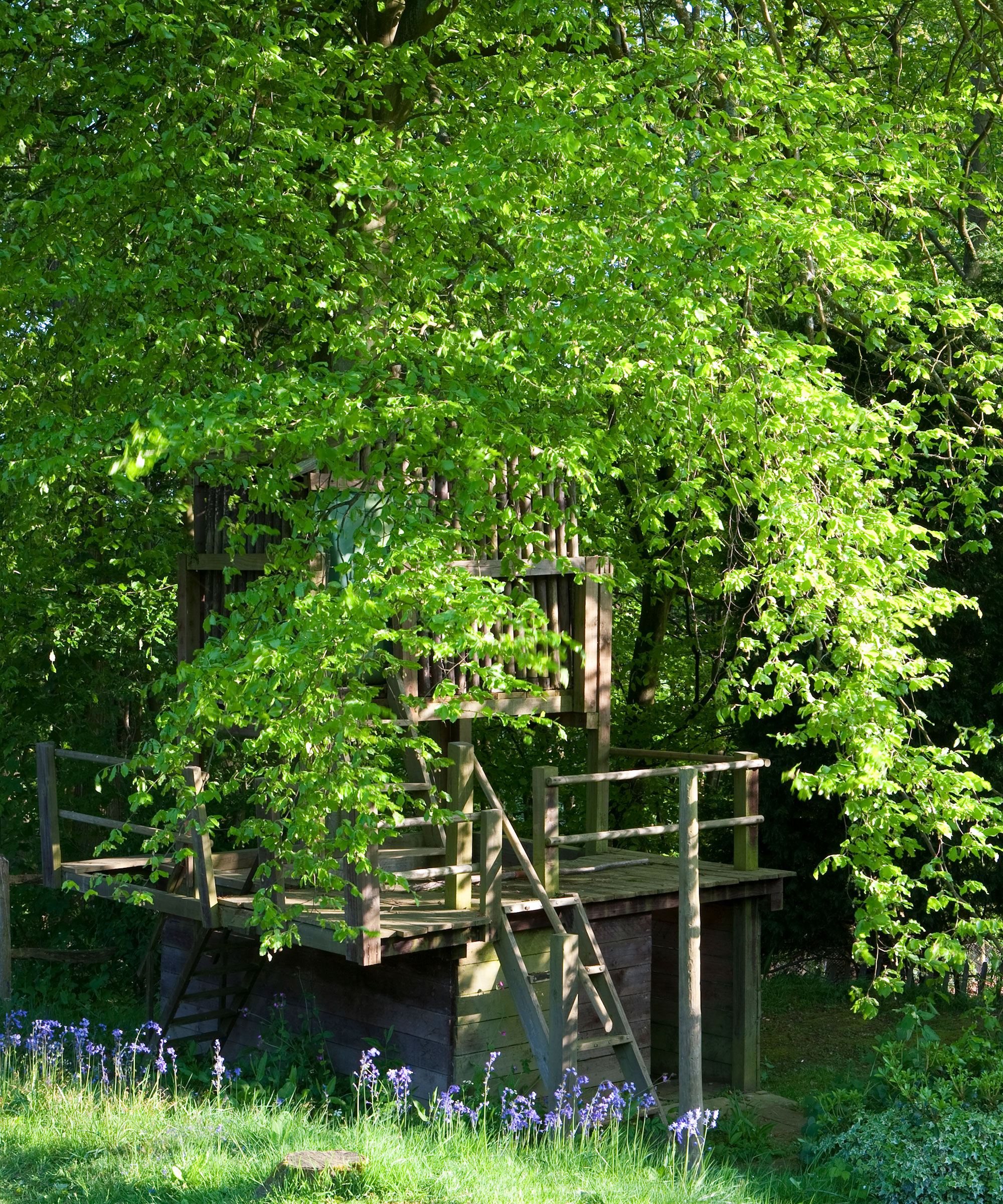
Beech grows with stately, densethinning. Remove rubbing limbs and the three Ds while trees remain dormant to minimize sap bleed. For large specimens, professional crews protect both safety and the tree’s vital structure.
Hazel (Corylus)
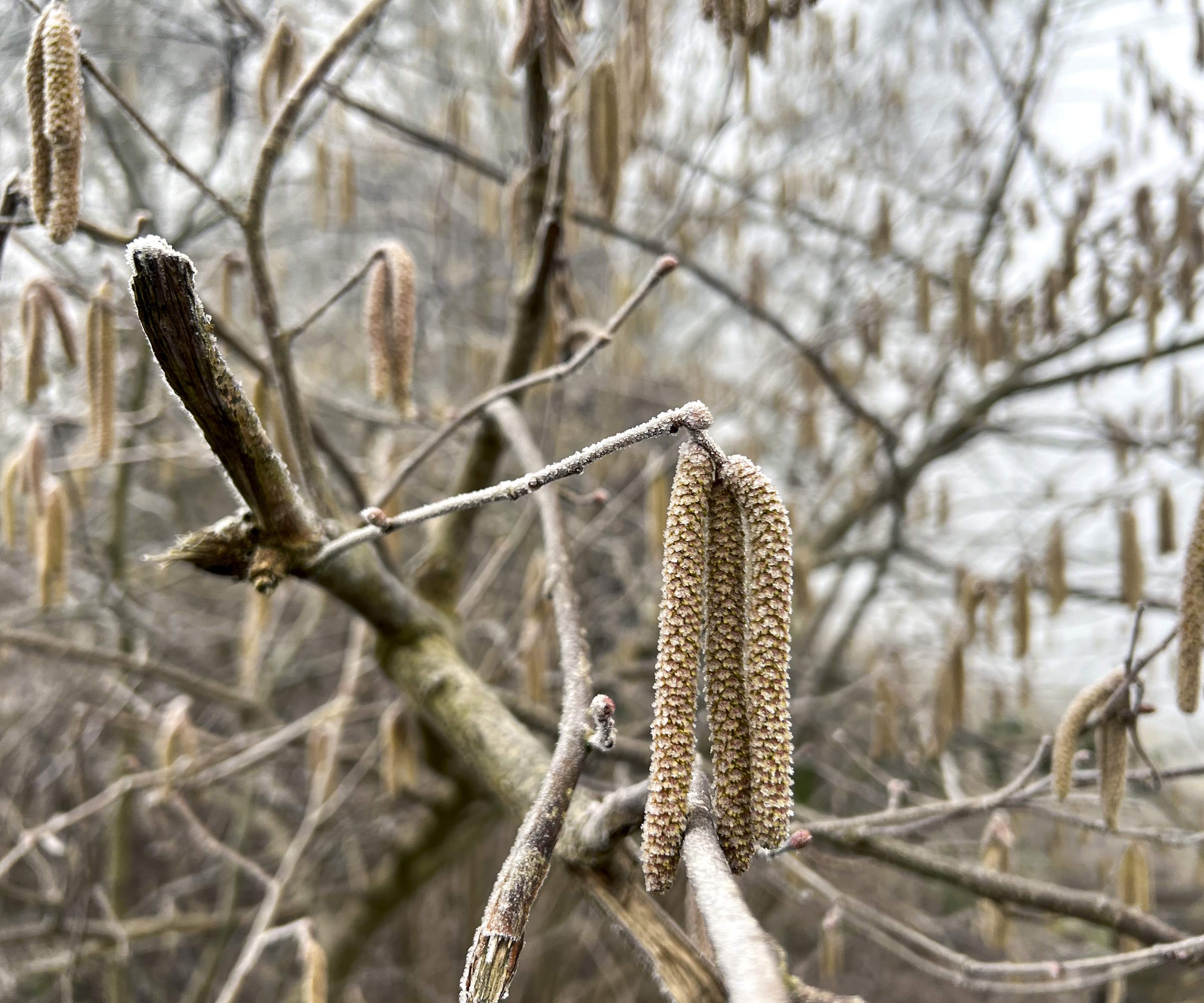
Traditional coppicing every three to five years renews vigorous, straight stems. Winter cutting back to stool height encourages colorful, usefulsupports. Mature stools respond with robust, healthy regrowth each spring.
Apple (Malus domestica)
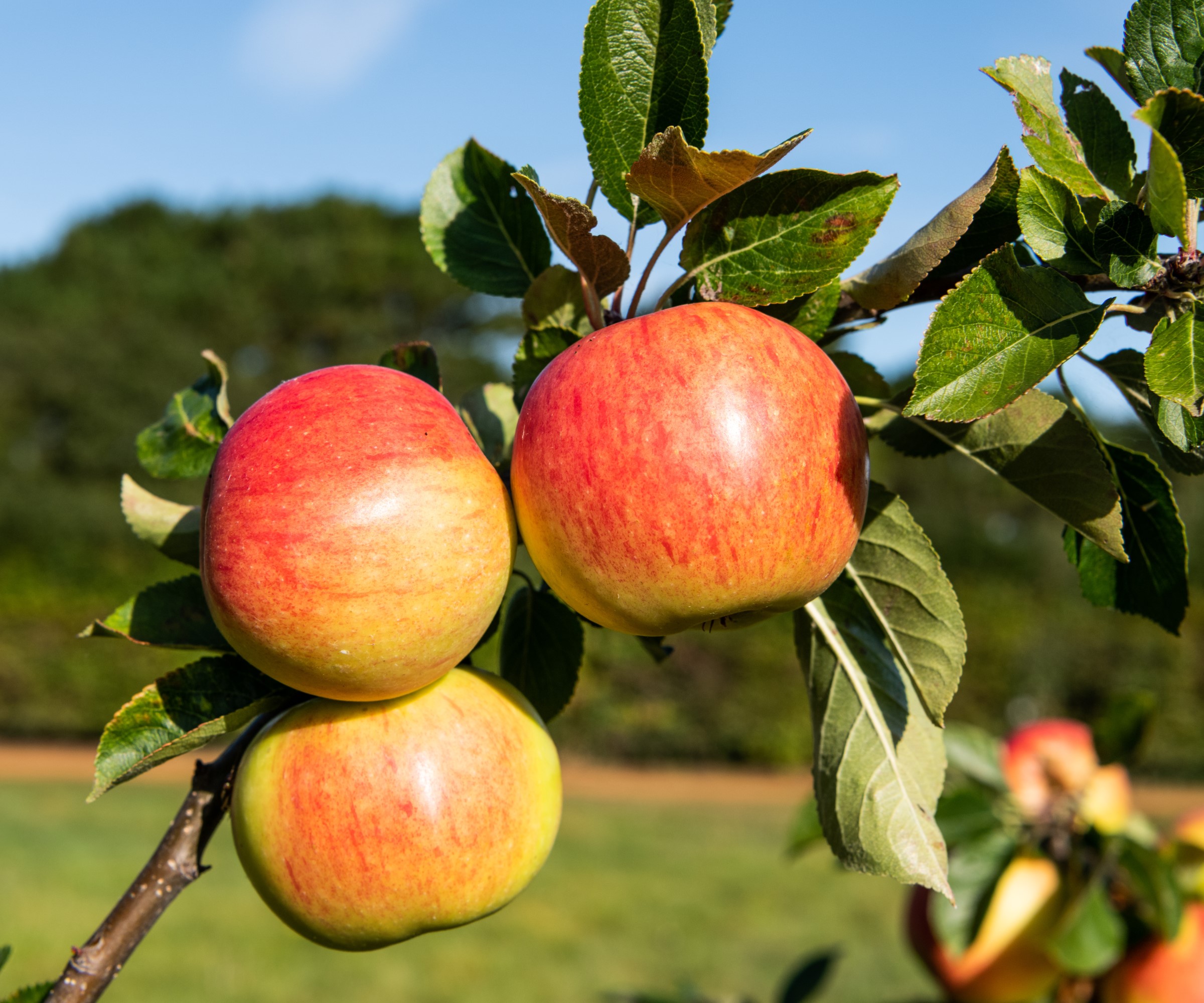
Dormant-season pruning balances fruiting spurs with light, airy frameworks. Maintain an open center so light reaches interior wood and reduces fungal pressure. Favor targeted cuts over heavy reductions to avoid excessive, weak water-sprout growth.
Pear (Pyrus)
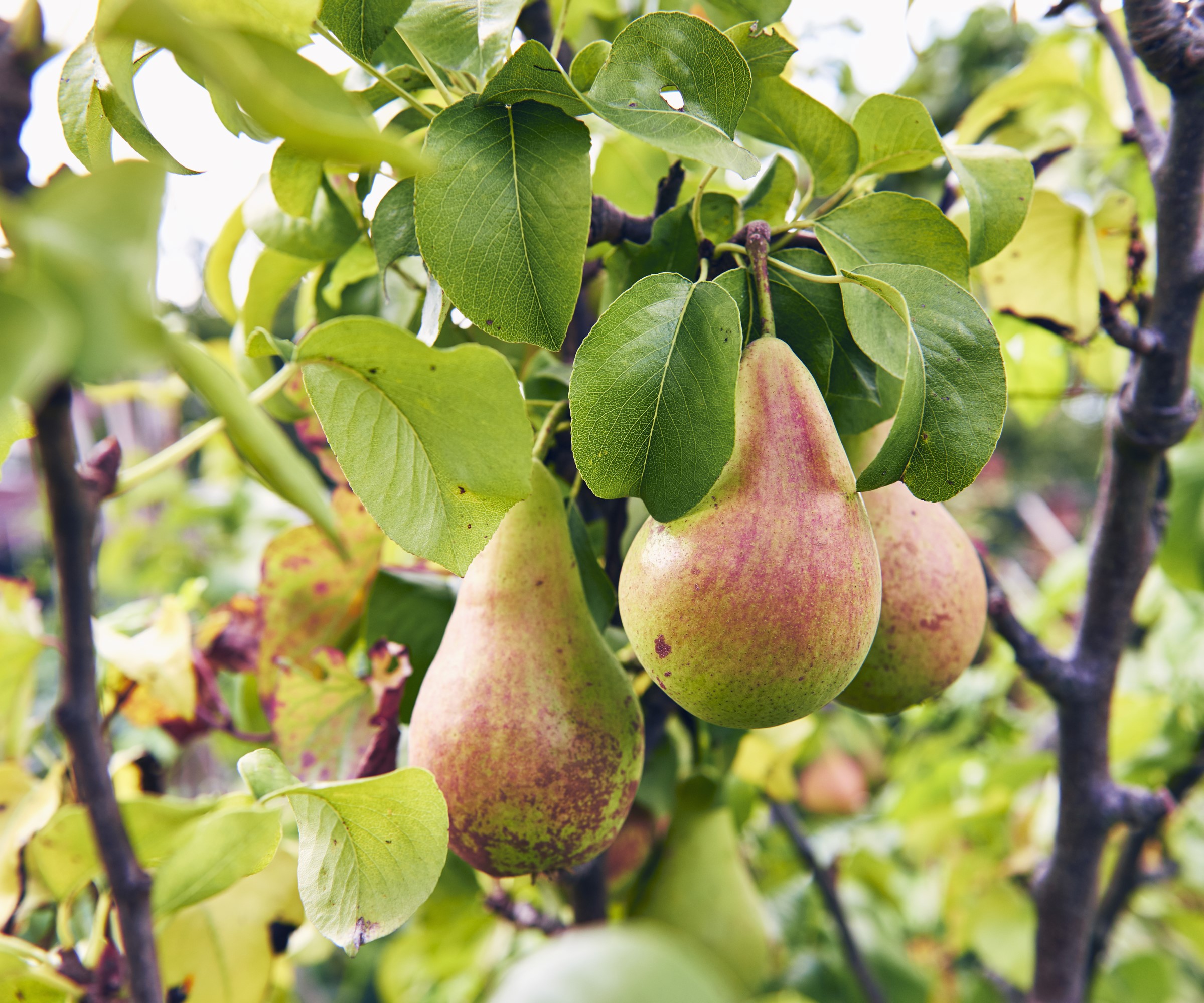
Pears reward annual, measured thinning that preserves spur-bearing wood. Remove congested shoots and weakly attached limbs to channel energy into consistent, high-quality harvests. An open canopy improves airflow and reduces disease risk.
Willow (Salix)
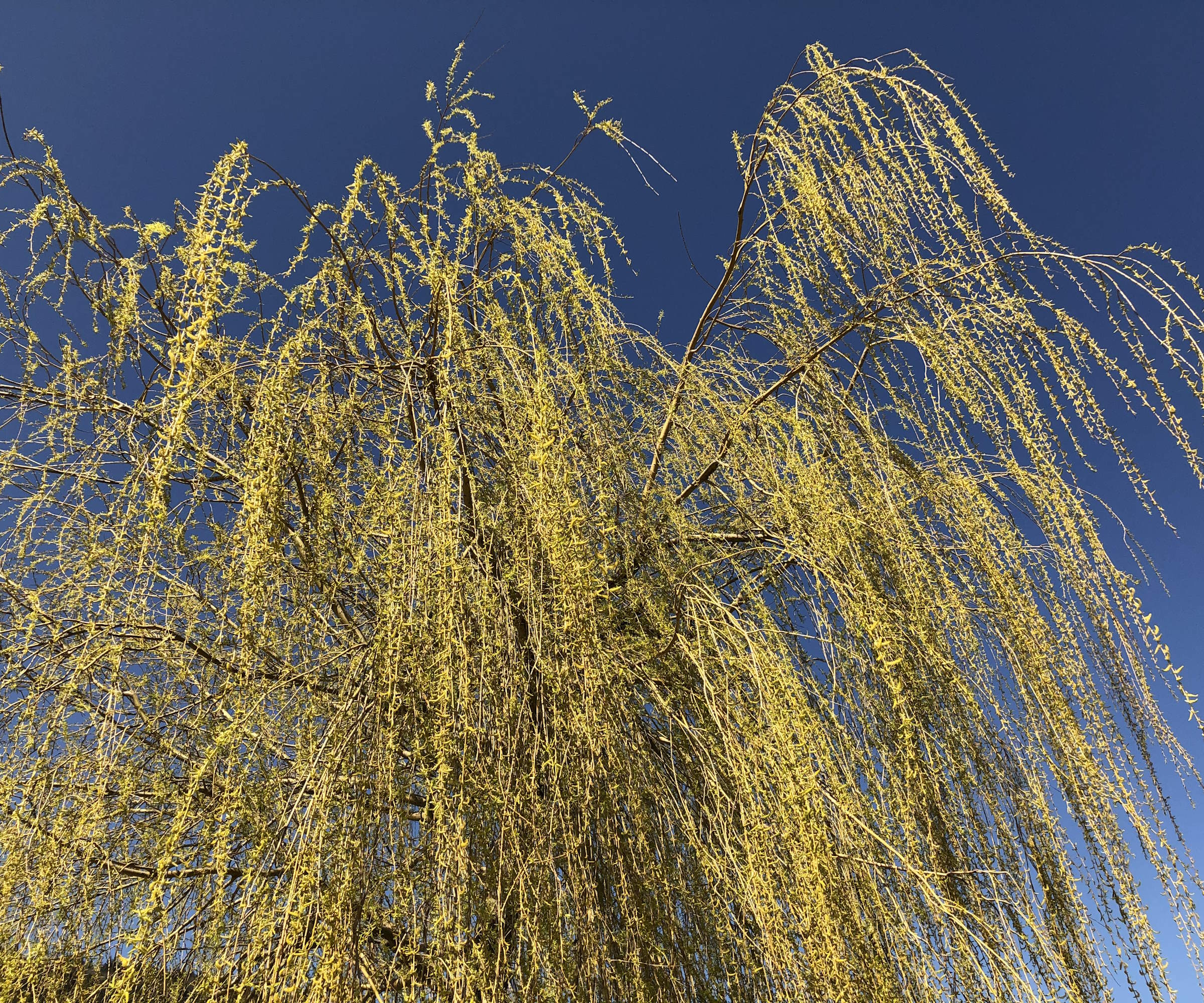
Winter suits willow’s fast, flexible nature and simplifies structural choices. Early shaping defines graceful, balanced silhouettes and prevents awkward, crowded growth. Remove low or crossing laterals on weeping forms to preserve clear, shaded space beneath.
Katsura (Cercidiphyllum japonicum)

Katsura needs minimal, judicious editing, best done before sap begins to rise. Remove deadwood and occasional crossing shoots to keep the outline elegant yet natural. Late cuts can bleed, inviting stress and opportunistic pests.
Crabapple (Malus species)
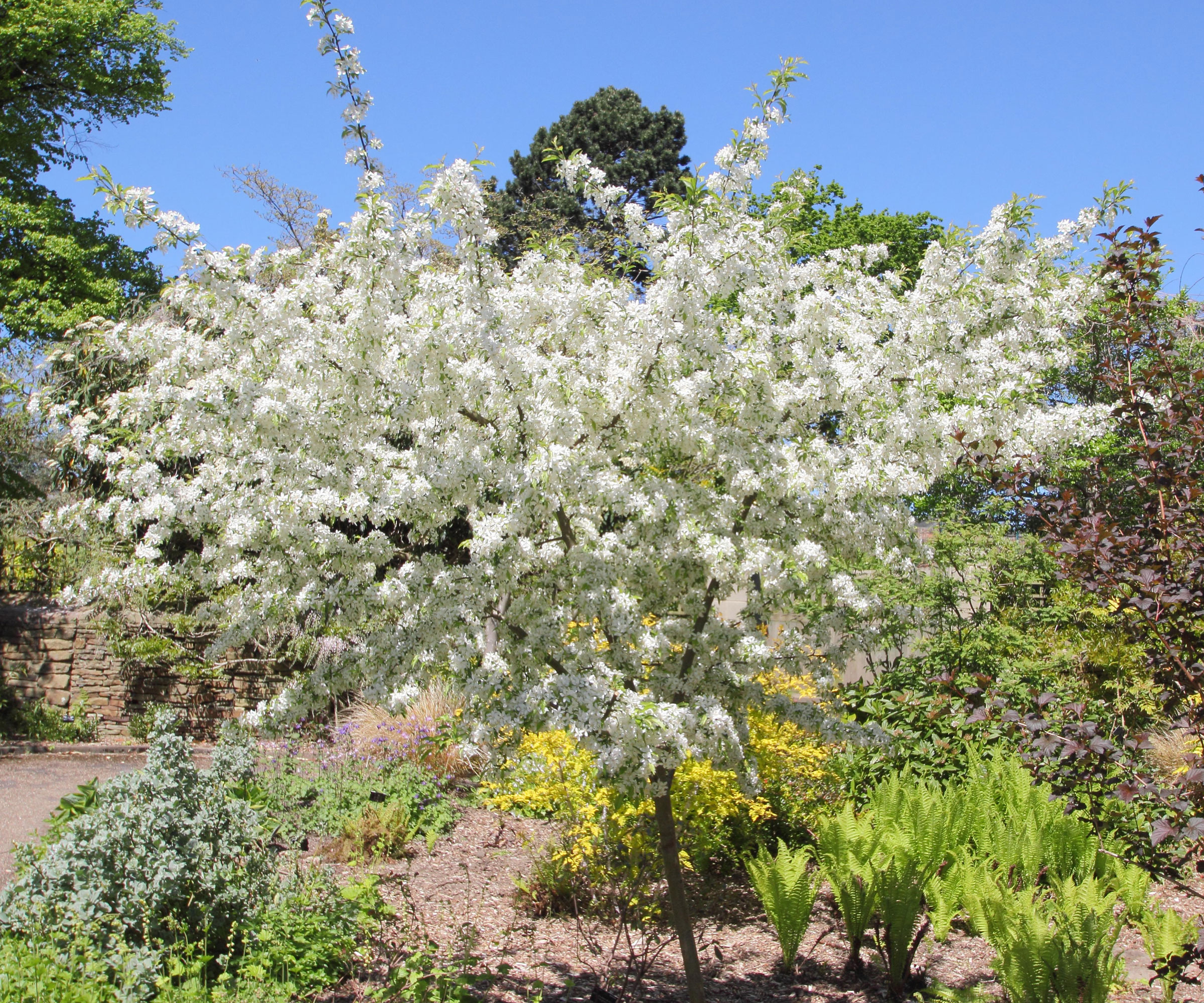
Crabapples appreciate light, regular maintenance that favors flowering spurs. Thin congested interiors and remove suckers or upright water sprouts that drain energy from productive wood. Clean architecture reduces scab pressure and improves seasonal display.
Oak (Quercus)
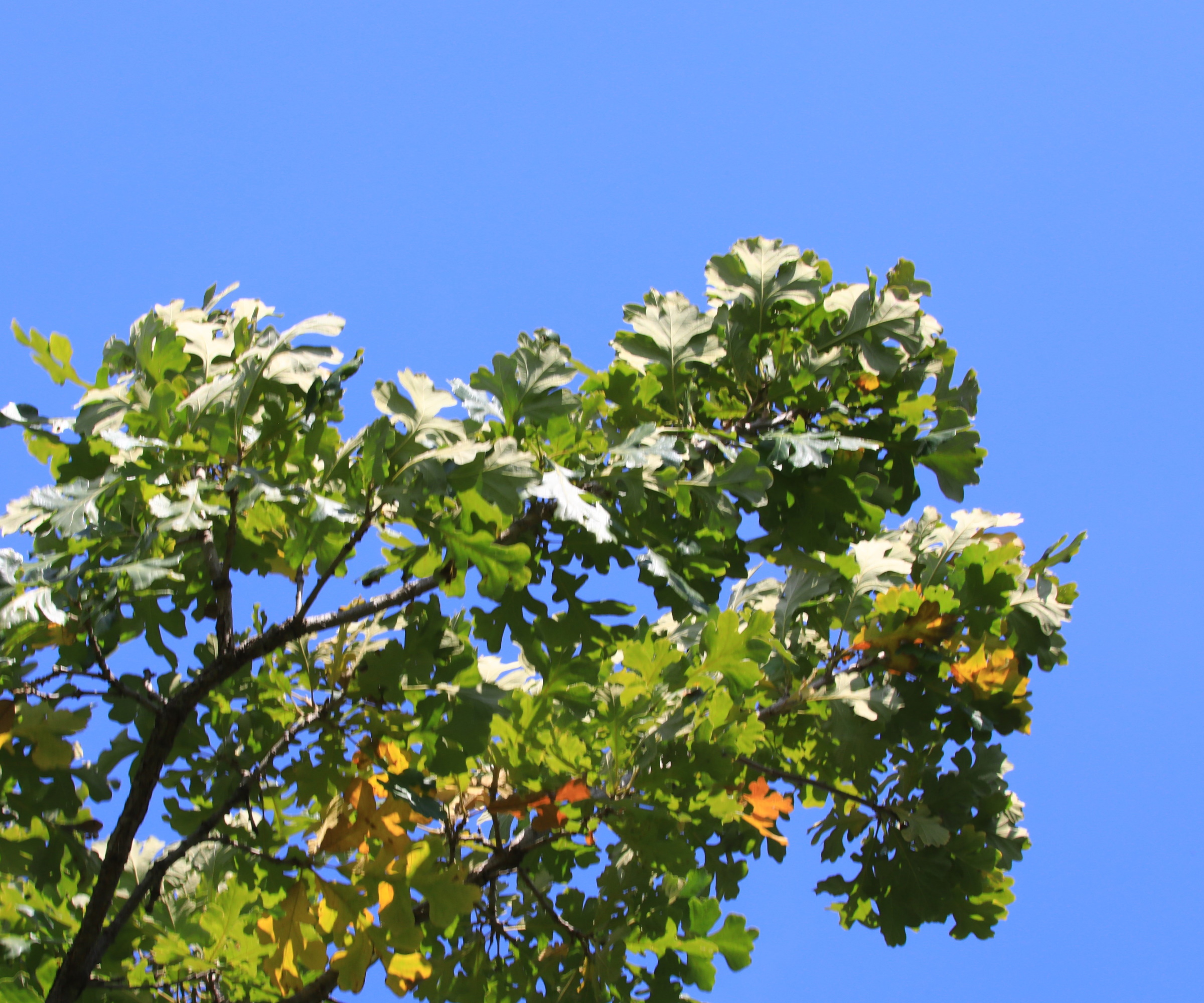
Winter is prime for oak, with fewer sap-feeding insects and lower pathogen spread. Young trees benefit from careful structural training after establishment, building strong, well-spaced scaffolds. Mature oaks usually need only selective deadwood and minor thinning.
Seasonal wisdom
During severe cold snaps, fresh wounds become more vulnerable and footing less safe. Waiting out hard frost protects tissues and ensures precise, confident work. For tall or complex canopies, qualified arborists safeguard both people and prized trees.
With smart timing, sharp tools, and a clear purpose, winter pruning enhances structure, curbs disease, and supports abundant spring growth. Each intentional cut invests in the tree’s long-term resilience and your garden’s enduring beauty.

Contact details
Address:
Farmers Forum,
36, Dominick Street,
Mullingar,
Co. Westmeath,
Ireland
Phone:
+353 (0)44 9310206
Or email us:
For technical issues please check out our FAQ's page or email - [email protected]
For general Queries email - [email protected]
Request to add event to our Calendar - [email protected]
Send us your mart reports - [email protected]
Suggestions and feedbacks - [email protected]
News Items / Press Release - [email protected]
To Advertise on Farmers Forum - [email protected]