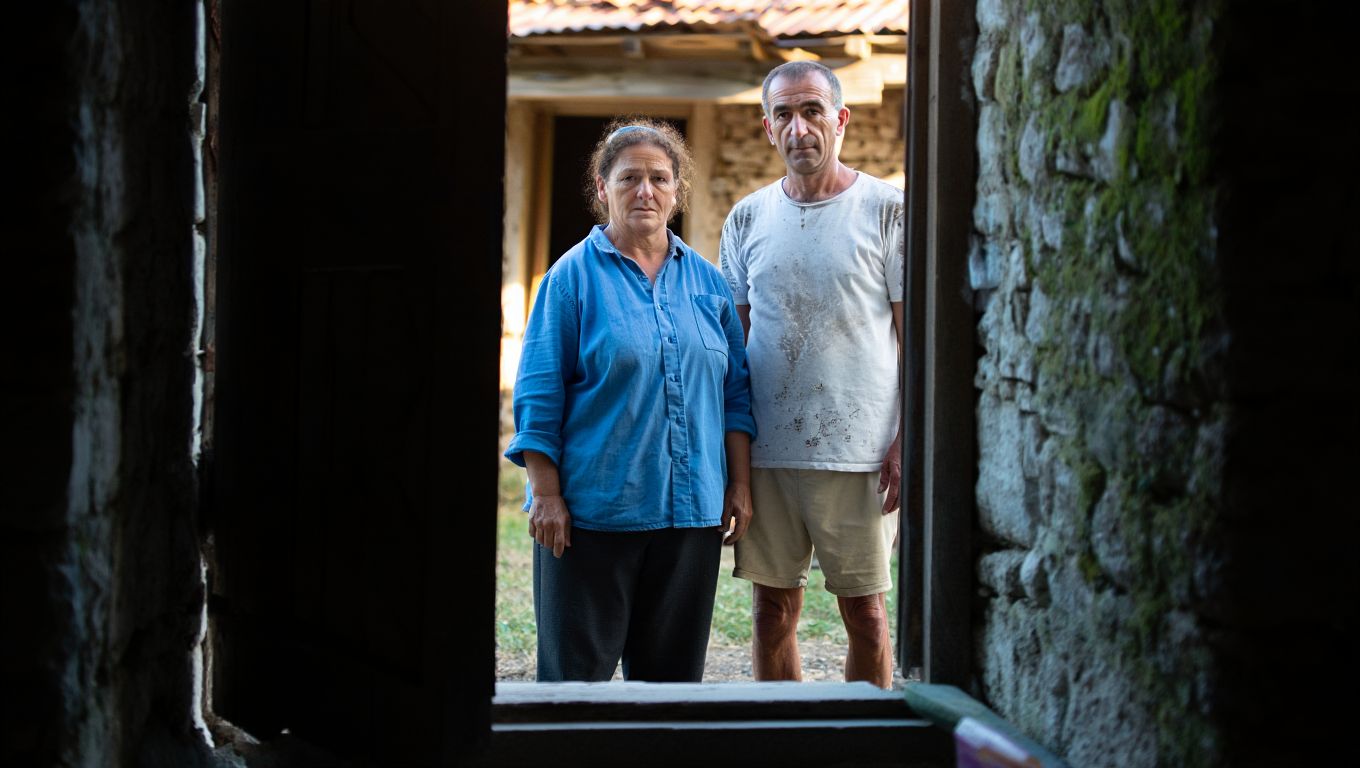
They arrived from Nenagh with two suitcases and a loose plan. Six years later, the Peloponnese has become home in the quiet, unshowy way rural places do.
The first lesson was light. Winter mornings were pale and kind, the kind that make you put off coffee because the balcony sun is enough.
“It felt like we were paying ourselves in hours, not euros,” Aoife says, laughing. “And the town paid us back in hellos.”
From white winters to whitewashed villages
In Tipperary, heat was a number on a bill. In Messinia, heat is a stone wall that holds the day and releases it at dusk.
The couple rented a small house outside Kalamata, a place with a sun-bleached patio and an orange tree that dripped fruit through February.
“The shock was how little we needed to be warm,” Declan says. “Solar water, a small wood stove, and jumpers at night.”
Counting costs, finding value
They kept a careful spreadsheet for year one. Then they stopped.
Some outgoings shrank, others simply disappeared. Car insurance dropped, rent calmed, and the weekly market rewrote the food shop.
“We buy by the smell now,” Aoife says, holding up basil so fragrant it feels alive.
Their biggest money savers were:
- Lower rent outside hotspots, with thick-walled houses that need little heating and almost no cooling in spring and autumn.
- Seasonal markets, where produce is cheap, and olive oil often comes from a neighbor’s press rather than a shelf.
- Fewer subscriptions and commutes; evenings are walks, swims, and books, not takeaway and motorways.
- Routine maintenance done locally, fairly, and fast, from scooters to cisterns.
They estimate their living costs fell by roughly a third compared with life back home. But the bigger win is predictability: no sudden price spikes for fuel, no scramble to winter-proof a damp terrace.
Olives, neighbors, and the slow clock
The first olive harvest felt like a rite. They picked alongside a family who’d been tending the same five acres for generations.
By sunset, hands were slick with oil, and stories—Greek, Irish, and somewhere in between—flowed easier than the new season’s press.
“We learned to measure days by bells and birds,” Declan says. “By the bakery selling out at nine, by the wind that says rain.”
Language came in layers. They studied verbs, then learned the greetings that matter: kalimera, kalispera, and a thank-you delivered with both hands and a small smile.
Work, papers, and practical sense
As EU citizens, they didn’t need a visa, but they did need the numbers: AFM for taxes, AMKA for healthcare.
A local accountant became their north star. “Pay for help on the parts you don’t know,” Aoife says. “It saves weeks of guessing.”
Banking was mostly digital, but patience was a useful currency. Names must match, stamps must stamp, and offices open when they open.
They bought secondhand scooters before considering a car. “Parking is theology here,” Declan jokes. “Two wheels are close to divine.”
Heat, fire, and the hard days
August can be a furnace. They learned to close shutters by noon, chase shade, and treat a swim as a daily duty.
Wildfire seasons test nerves. Bags by the door; documents together; neighbors on a shared message thread.
Some winters bring rain that drums for days; some springs bring pollen like a storm. Bureaucracy can be blunt. Loneliness can prickle.
“We found rituals that hold shape,” Aoife says. “Sunday swims year-round, Friday souvlaki, and calls home on the same bench.”
What the money couldn’t buy back
They missed pub talk that leans into midnight, the sound of GAA on a radio, and the smell of wet roads after real rain.
But new anchors grew: a fishmonger who knows their faces, a trail above Kardamyli that catches a clean wind, and the festival nights where everyone is cousins.
“Here, time is almost tangible,” Declan says. “You can hold it in a quiet hour, between the olives and the sea.”
Six years on
They’ve learned that cheaper isn’t the same as easier. Life asks for patience, for learning, for stepping slowly into a different pulse.
Advice to would-be movers is simple. Visit out of season. Try a long rental before anything permanent. Budget for the unknown and for small, regular joys.
“And talk to your neighbors,” Aoife adds. “They’re the real user manual.”
In the end, the ledger seems lopsided. Fewer bills, yes, but also more days that feel spent on purpose.
On some evenings, the Taygetos turn violet, and a motorboat draws a white thread across the bay. Home, they say, is sometimes a place and sometimes a pace. Here, somehow, it is both.

We took the plunge at age 60 and 62 and relocated to our off plan built villa in Turkiye in 2011. Having no children or parents made the transition much easier too. Our siblings all had their own lives and families so it was a no brainer! Whatsapp makes it easy to stay in touch to see our nieces, nephews and great nieces and nephews grow up. It’s a decision we are perfectly content with ss there are 300+ days pf sunshine here. To open the curtains most mornings and see acres of blue sky gladdens the heart. Living is much cheaper here even though the cost of living has sky rocketed but our pensions go so much futher here than it ever would in the UK! We live in a totally Turkish village called Sarilar near Side on the Turkish riviera! Do we regret making the move, not for one moment!
Hello, this is the second article I ve read from farmers forum that I find the read poetic
It’s written beautifully
I would like to pick up a newspaper just because the adverts are too much
Thank you
that was beautifully written and almost made me shed a tear the best of luck too the pair of them
That’s lovely that they have found their niche in Kalamata and good luck to them.The one thing they don’t have, however, is the most essential, the Greek language. And a few kalimeras aren’t enough to really connect with people.They will only ever have a superficial relationship with the surrounding community, they will never be able to understand the news on radio or TV, understand the lyrics of a local hit or penetrate the Greek psyche.Hence, they will always be on the outside, dismissed as foreigners ,who don’t know.I witness this all the time here in rural , Ionian Greece,.Many Greeks today speak very good English but isn’t the lingua franca an essential survival tool ?
If one intends to stay in any country, learning the native tongue is a must.Dont be like the British,who spend 40 years in Greece and can barely order a coffee in Greek., Έλεος!
Complete fiction. People don’t exist. Picture is fake
Beautifully written articles…but who are these people?
Have read a couple of them, but we don’t know who they are or what part of the country they are from.
Maybe we don’t need to know… but I feel would make it more interesting/ meaningful!