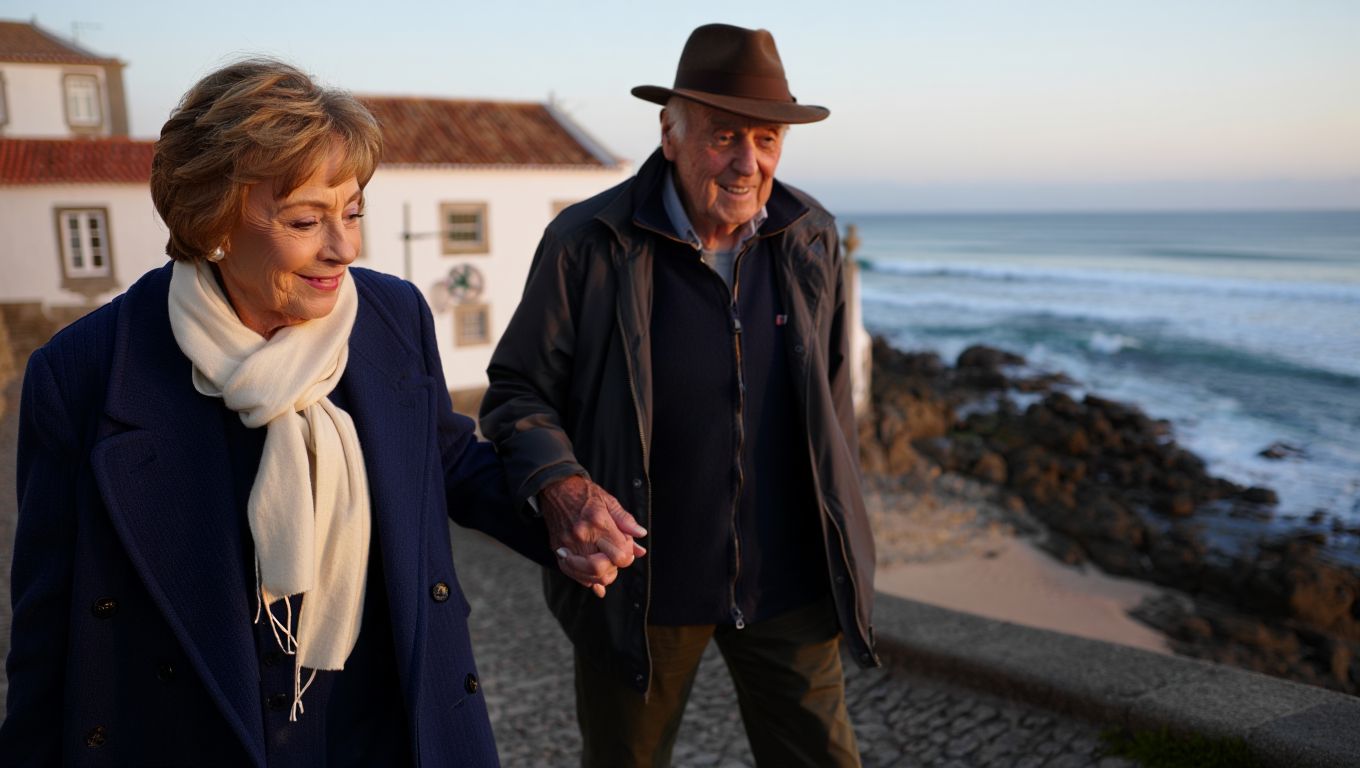
Rising costs along Spain’s sunbelt have nudged many Irish pensioners to look west, where a gentler price curve meets an Atlantic horizon. The new favorite isn’t the postcard Algarve most know, but a longer, quieter ribbon where surf towns, fishing villages, and university cities stitch together a life that feels both local and livable. Ask around in Leiria, Aveiro, or the eastern Algarve and you’ll meet accents from Cork, Galway, and Dublin, comparing utility bills and coffee prices with a kind of relieved awe.
“Spain was our first plan, but the numbers just stopped making sense,” says Nora, a retired nurse from Limerick. “Portugal felt calmer, friendlier, and crucially, still within our budget.”
How Spain slipped out of reach
In the past decade, Spanish hotspots ratcheted up on the back of tourism demand and remote-work waves. Rents stayed sticky, fees climbed, and the dream of a modest two-bed with a balcony turned into a bidding exercise many could not win.
Agents whisper what the listings already show: desired coasts from Málaga to Valencia have normalized higher floors for both buying and renting. “We were always being outbid,” recalls Liam, a retired teacher from Cork. “Every viewing felt like a race.”
The Portuguese alternative, defined by edges
Move north of Lisbon to the so-called Silver Coast, or east of Faro toward Tavira’s calmer estuaries, and the math changes. Prices are still rising, but from a lower base, which lets pensions stretch without contortions.
The vibe is more village green than resort, more tiled café than themed bar. You get Atlantic light, cooler summers, and a daily rhythm shaped by markets, not just visitors. “It’s not cheap-cheap,” says Seán, a former civil servant. “It’s fair—and that’s all we wanted.”
What your euro actually buys
Think honest concrete, blue tiles, and walkable centers, with new builds peppered between 1970s walk-ups and fisherfolk cottages. The variety lets buyers trade size against proximity, or modern finishes against sea breeze.
- In-town two-beds near services remain comparatively reachable; small houses a short drive from the coast feel surprisingly attainable; and east-of-Albufeira apartments can still land below the cost of many Irish equivalents.
Daily life: slower, but not sleepy
This is a coast that brews its own coffee and runs on its own clock. Morning bread at the pastelaria, midweek markets, evening walks where retirees mix with students and surfers. You hear Portuguese first, English second, and that’s part of the gentle appeal.
Healthcare has both public and private paths. Many newcomers pair registration with the national service and a modest private policy, balancing speed and security. Pharmacies are omnipresent, and bigger hospitals sit within regional hubs.
Connectivity without contortions
Direct flights stitch Ireland to Lisbon, Porto, and Faro, often year-round and often at human hours. From airports, rail and toll roads actually work, pulling small towns into easy weekend reach. For visiting family, access matters more than any rooftop pool.
“If our kids can get here in under five hours, they’ll come,” says Nora, laughing. “Sun is nice, but grandkids are the real pull.”
Taxes, visas, and the paperwork puzzle
Portugal’s tax incentives have evolved, and they will likely evolve again. Retirees should assume moving parts and plan for professional advice. Pension treatment, residency rules, and double-taxation agreements can tilt the final equation more than a pretty sea view.
The good news: thousands have walked this path. Municipal help desks, bilingual lawyers, and expat forums form a practical bridge, especially in districts familiar with foreign arrivals.
Weather, water, and the Atlantic trade-off
The Atlantic is cooler and a bit wilder than the Mediterranean, with breezes that carry both relief and spray. Summers feel breathable, winters can be damp, and older homes sometimes need insulation and dehumidifier companions. In exchange, you get space, surf, and sunsets that paint the sky copper.
Evenings are for grilled fish, vinho verde, and the small talk that blooms when prices feel fair and days feel full. “Here, we buy better olive oil and don’t count the euros,” says Liam. “That’s what retirement should be.”
Choosing a town that fits your bones
Aveiro offers canals and university energy; Nazaré swaps calm mornings for thunderous swells; Peniche brings wind for kites and an artisanal buzz. East Algarve towns like Tavira and Olhão keep traditional cores, a lagoon world, and seafood that tastes of work and water.
Try before you buy. Rent for a season, in two or three places, and take notes on noise, wind, and winter light. The right street can matter more than the right region.
What the trend really signals
Underneath the maps and mortgages is a simple shift: people chasing value without surrendering joy. A pension is a promise to yourself, and the coast you choose decides how that promise is lived.
Spain still shines, but Portugal’s quieter stretches whisper a different future—one of markets at nine, beaches at ten, and the kind of community that remembers your name by week two. For many Irish retirees, that whisper has become a very clear, very welcome call.

Contact details
Address:
Farmers Forum,
36, Dominick Street,
Mullingar,
Co. Westmeath,
Ireland
Phone:
+353 (0)44 9310206
Or email us:
For technical issues please check out our FAQ's page or email - [email protected]
For general Queries email - [email protected]
Request to add event to our Calendar - [email protected]
Send us your mart reports - [email protected]
Suggestions and feedbacks - [email protected]
News Items / Press Release - [email protected]
To Advertise on Farmers Forum - [email protected]