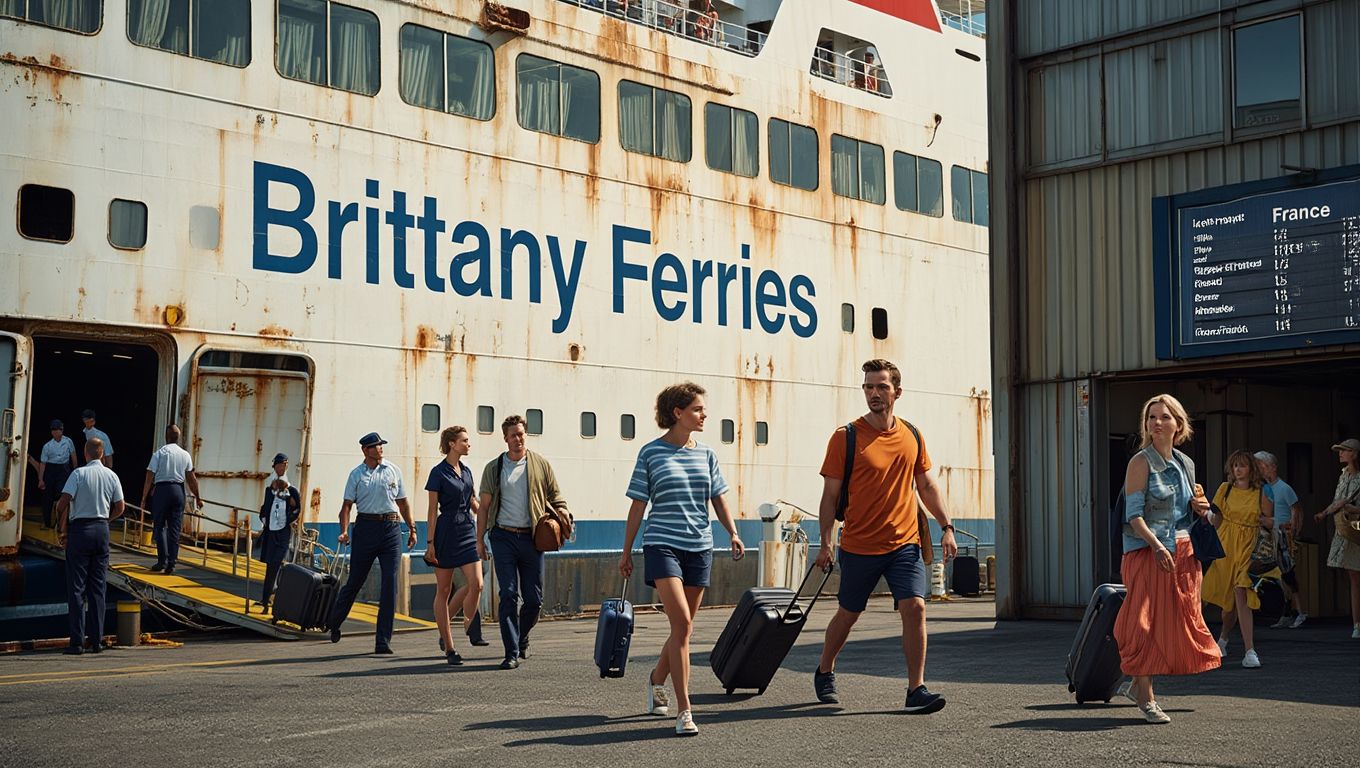
Airports used to feel inevitable, the default gateway between Ireland and France. Then a wave of new summer sailings quietly appeared on the timetables, and a different rhythm began to call. Families loaded the car, cyclists rolled their panniers, and friends swapped departure gates for open decks. “We thought the boat would be slower, but it felt like the holiday began the moment we boarded,” said one Dublin traveller, grinning over a paper cup of strong coffee.
A quiet revolution at sea
These seasonal crossings add fresh frequency, earlier starts, and later returns across the peak months, linking Irish ports with French coastlines that feel close yet newly possible. Operators have leaned into demand, nudging timetables to fit school calendars and weekend plans that don’t revolve around a runway. The result is a small but persuasive shift, measured in car boots and cabin keys.
For many, the appeal is both practical and emotional, a rare case where logistics feel like liberty. “I packed without thinking about liquids, shoes stayed on my feet, and the kids treated the corridor like a treasure hunt,” said a first‑time ferry convert.
New summer links, familiar shores
Extra departures now thread Ireland’s coasts to French favorites such as Cherbourg, Roscoff, and Le Havre. The pattern is simple: more sailings when the days are long, with a mix of overnight cabins and daylight crossings that match different travel styles. You bring the car, the bikes, even the family dog, and arrive without queues for rental counters or shuttle buses.
The routes spotlight the geography we share, a maritime corridor that history knows well. Step off the ship and Brittany’s lanes, Normandy’s fields, and Atlantic villages unfold at driving‑speed, not airport‑transfer pace.
Why travelers are switching
- More space and less rush: wide decks, private cabins, and no sprinting through security mazes.
- Door‑to‑door ease: pack the boot, skip baggage roulette, and roll straight onto the road.
- Lower stress for families: playgrounds, cinemas, and walk‑around freedom that flights rarely match.
- Greener choice: per passenger, especially with full cars, emissions can be meaningfully lower.
- Slow‑travel charm: the crossing becomes part of the story, not a hurdle to be endured.
The onboard moment that sells it
Cabins turn a journey into a pause, with showers, sockets, and a door you can actually close. Cafés hum with soft clatter, while the bar nudges sunset into a glass of something cold. Up on the deck, wind lifts conversation and the horizon draws a steady line.
For kids, the ship is a moving neighbourhood, small enough to roam, big enough to discover. For adults, it’s a reclaimed hour, a chance to read, nap, or plan the week’s marché raids and seaside swims. “It felt like a mini‑cruise, not transport,” said a Cork pair heading toward Brittany.
What it really costs
Fares flex with dates, cabins, and vehicles, but the arithmetic is pleasantly transparent. One booking covers everyone plus the car, and the value grows with each occupied seat. There’s no paying per suitcase or second‑guessing cabin‑bag rules, just a boot and the space you already own.
Food on board is fairly priced, though bringing snacks is perfectly normal. If you split the fare across four people, and factor in saved car hire, the numbers often smile.
How to plan smart
Book early for peak weeks, especially if you want a specific cabin type. Overnight crossings turn travel into sleep, daylight sailings trade beds for endless views. If you’re a light sleeper, choose a mid‑ship cabin on a higher deck, and pack earplugs just in case.
Check driving times from the French port to your first stay; add an hour for boulangerie stops and the pure joy of your first roadside brie. For seasickness, pick a stable cabin and bring ginger or a trusted remedy; calm weather windows are surprisingly common in summer.
Where you land, how it feels
Cherbourg funnels you into Normandy’s farms, D‑Day beaches, and creamy, apple‑scented menus. Roscoff opens Brittany’s granite ports, pink headlands, and tide‑ruled villages perfect for cycling and café‑hopping on dreamy afternoons. Le Havre lays out quick motorways to Paris, yet keeps the sea within easy reach.
Arriving by ferry means your rhythm is already French, slowed just enough to notice hedgerows, lay‑bys, and the way a roundabout points toward a new coast. You’ve built the detour into the journey, which is a quiet kind of travel wealth.
Voices from the gangplank
“My stress went from a nine to a two,” laughed a Limerick parent pushing a stroller past a cheerful line of cars and campervans. A cyclist with salt in his beard tapped his helmet and nodded: “No bike boxes, no worry.” Even frequent flyers are hedging their bets. “I’ll still fly sometimes,” a young couple admitted, “but this gives us another door into Europe.”
What began as extra summer sailings has become a mindset, a reminder that distance can be tasted, not just crossed. The sea is not an obstacle; it’s a moving room, and this year, more Irish travelers are stepping inside and letting the water set the pace.

Contact details
Address:
Farmers Forum,
36, Dominick Street,
Mullingar,
Co. Westmeath,
Ireland
Phone:
+353 (0)44 9310206
Or email us:
For technical issues please check out our FAQ's page or email - [email protected]
For general Queries email - [email protected]
Request to add event to our Calendar - [email protected]
Send us your mart reports - [email protected]
Suggestions and feedbacks - [email protected]
News Items / Press Release - [email protected]
To Advertise on Farmers Forum - [email protected]