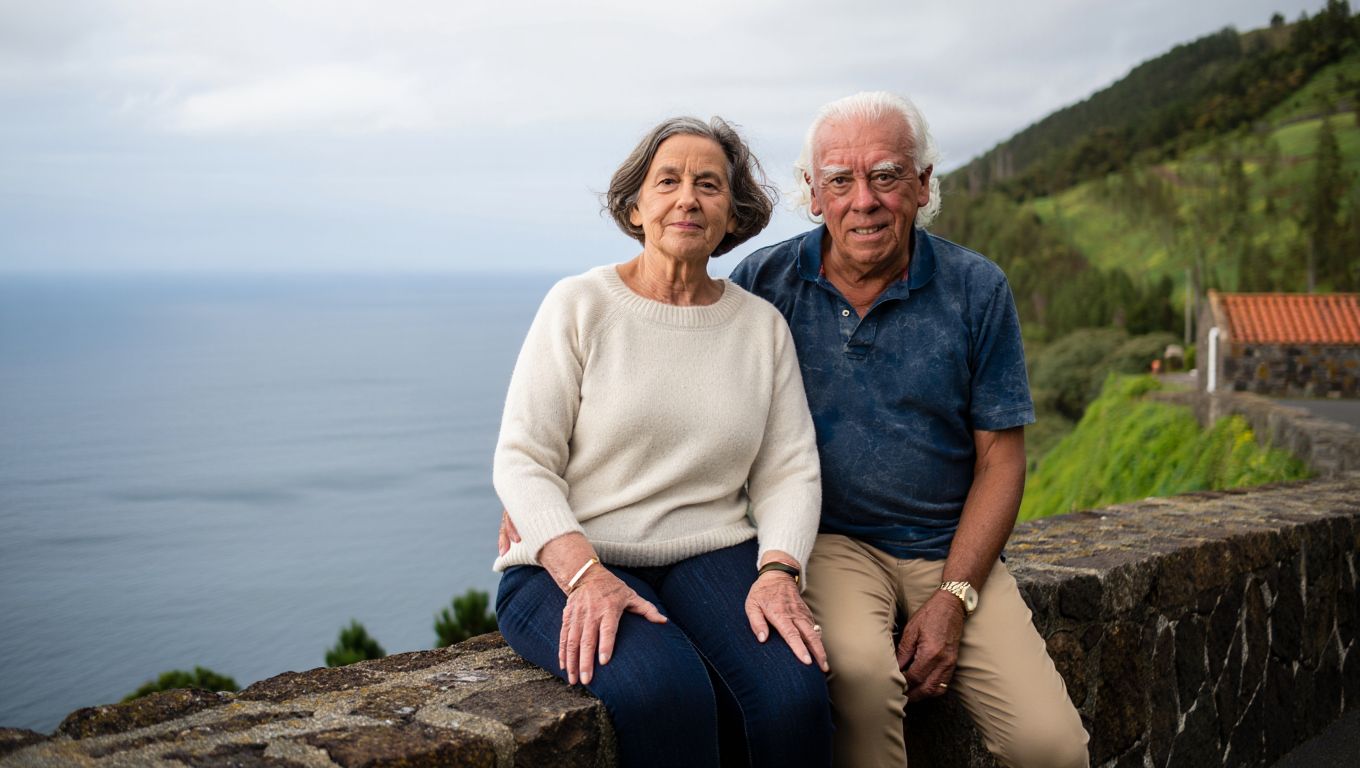
They arrived on a soft Atlantic breeze, shoes dusty from airport floors and hearts strangely light. The idea had been a whisper for years, then a plan, then a boarding pass. Six months on, the island has names for everything they didn’t know they were missing: the tilt of morning light, the hush of gardens, the easy stretch of time.
Trading grey skies for terraced hills
They talk about the first week like a film they keep replaying. “We woke to birds, not buses,” Mary laughs, pouring strong coffee into chipped blue cups. Beyond the balcony, banana leaves flash like wet silk, and the hills climb in careful steps toward cloud.
The city rises and falls with Funchal’s rhythms: fishmongers shouting prices, scooters stuttering up lanes, old men playing cards in the shade. “It felt at once foreign and familiar,” Tom says. “Like Cork, if Cork had cliffs of flowers and winter that forgot to be winter.”
Shedding the weight of “maybe someday”
The decision wasn’t brave, they insist, just late. Mortgage paid, children flown, knees still mostly obedient—why not now? Cork was kind, but busy. “We kept saving our best days for a future that kept moving,” Mary says. “Here, Tuesday can be the holiday.”
They rented a modest apartment near the market, where mangoes smell like sun and the fish are almost still shining. They learned the pace of the elevador, the corner where poncha is cut with honey, the bus that always comes a little early when you most expect it to be late.
Building a rhythm that breathes
Mornings belong to the levadas, the narrow channels that thread the mountains. Their steps found a freedom there. “We promised not to hurry,” Tom says. “If we stop every ten minutes for a view, that’s not a waste, it’s the point.”
Afternoons slide into small rituals: a swim off the black rocks, a half hour of Portuguese on the balcony, phoning home when the sky turns peach. They keep Cork time on a clock in the kitchen, but mostly they live by tide and kettle.
The arithmetic of enough
They didn’t move to be cheap, they say, but the math is gentle. Groceries feel sane, wine feels like permission, and the apartment costs less than their old council tax and heating combined. They buy fewer things and more Saturdays. “Everything tastes better when you’re not swallowing stress,” Mary grins.
They’re surprised by what they no longer miss: the car, the sprawling wardrobes, the calendar packed with obligations they once called life. Instead they have neighbors who swap oranges for stories, and a landlady who taught them to salt limpets until they whisper back.
Not a postcard, a place
It’s not all easy. Bureaucracy has its labyrinths, and language sits like a pebble in the shoe until it suddenly doesn’t. They got a tax number, found a doctor who speaks slow English, and learned the gesture for “the bus has already gone.” Rain can hammer for days, and the Atlantic can turn stern and slate.
But difficulties here feel like texture, not threat. “Back home, every small problem wore a heavy coat,” Tom says. “Here, even admin ends in a pastry.”
Friends made on the slope
Community arrived in very ordinary ways. Mary joined a walking group where knees are compared like grandchildren, and Tom started swapping recipes with a retired baker down the lane. On Fridays they meet other newcomers for coffee and end up staying for lunch.
“The island edits your ego,” Mary says. “You talk less about what you were, more about where the path turns and who wants to try it.”
How they keep the old home close
They refuse the mythology of escape. Cork still lives in their voices, in the way they pronounce “butter” like it’s a song. They watch the match on choppy streams and send postcards to a grandson who keeps them in a shoebox.
On wet Atlantic Sundays, they make stew that tastes like rain, and they practice the word for saudade, which is not sorrow, not exactly, but a soft ache that proves the heart can hold both.
What they wish they’d known
Their advice is brisk and kind. They say you should pack lighter, learn to introduce yourself, and expect kindness to arrive in crooked ways.
- Learn ten polite phrases, show up three times to the same place, and bring cake the second time, not the first.
Six months, and a door stays open
Some days still feel like a borrowed holiday. Others feel deeply earned. “We didn’t chase a dream so much as trade for a different shape of day,” Tom says. Mary nods, eyes on the water. “We came for the light, and stayed because we like who we are inside it.”
Evenings run long here, stretched by gulls and slow guitars. They sit with friends who were strangers, laugh about misheard words, and look up when the streetlights pop like small stars. “If we’re lucky,” Mary says, “the rest of our life will keep feeling this new.”

That was written so beautifully 🥰
Im sobbing as I read this article, im from Madeira and live in ennis, county clare, thank you for bringing back some memories of my beloved island, Madeira
I just LOVELiam Kennedys writing. Waiting for the novel! Thank you.
Reading this essay felt like a gentle wave lapping at my feet .
Your writing does definitely ‘paint à picture’
Thank you
That is all lovely I’m sure but what about their grandson….. they can like madeira all they like and it is lovely, I’ve been twice but nothing will be as blissful as watching your grandchild grow and getting hugs from your loved ones.
Beautiful article !
Went to Madeira for the first time in March and fell in love with the place. Absolutely stunning scenery, Jurassic like.
Beautifully written. Really beautiful.
Oh my god such prose so beautifully written.
I too am a fan of your prose and waiting for the novel…..don’t be afraid…. go for it just as these two wonderful people did in heading to Madeira!