A routine evening hop from Ireland to southwestern France took an unexpected turn when a passenger suffered a medical emergency, prompting the crew to seek a rapid diversion. The aircraft landed safely in Toulouse, and roughly 140 passengers were kept overnight while arrangements were put together for onward travel.
“We’re grateful to the crew and airport teams for the swift response,” said a traveler who described the landing as “calm and controlled,” with cabin staff maintaining “clear, reassuring communication.”
Urgent turn toward Toulouse
Midway through the short journey, cabin crew identified a serious health issue affecting a customer and began onboard first aid. Following standard protocols, the pilots asked for priority handling and a direct approach into Toulouse, a major regional hub with robust medical support.
“The flight landed safely, and paramedics met the aircraft at the stand,” the airline said in a brief statement. “The affected customer received immediate care, and our team assisted fellow passengers during the delay.”
Witnesses described a prompt yet measured sequence: oxygen administered, a call for any medics onboard, and a careful but firm decision to divert as the timeline tightened.
A night on the ground
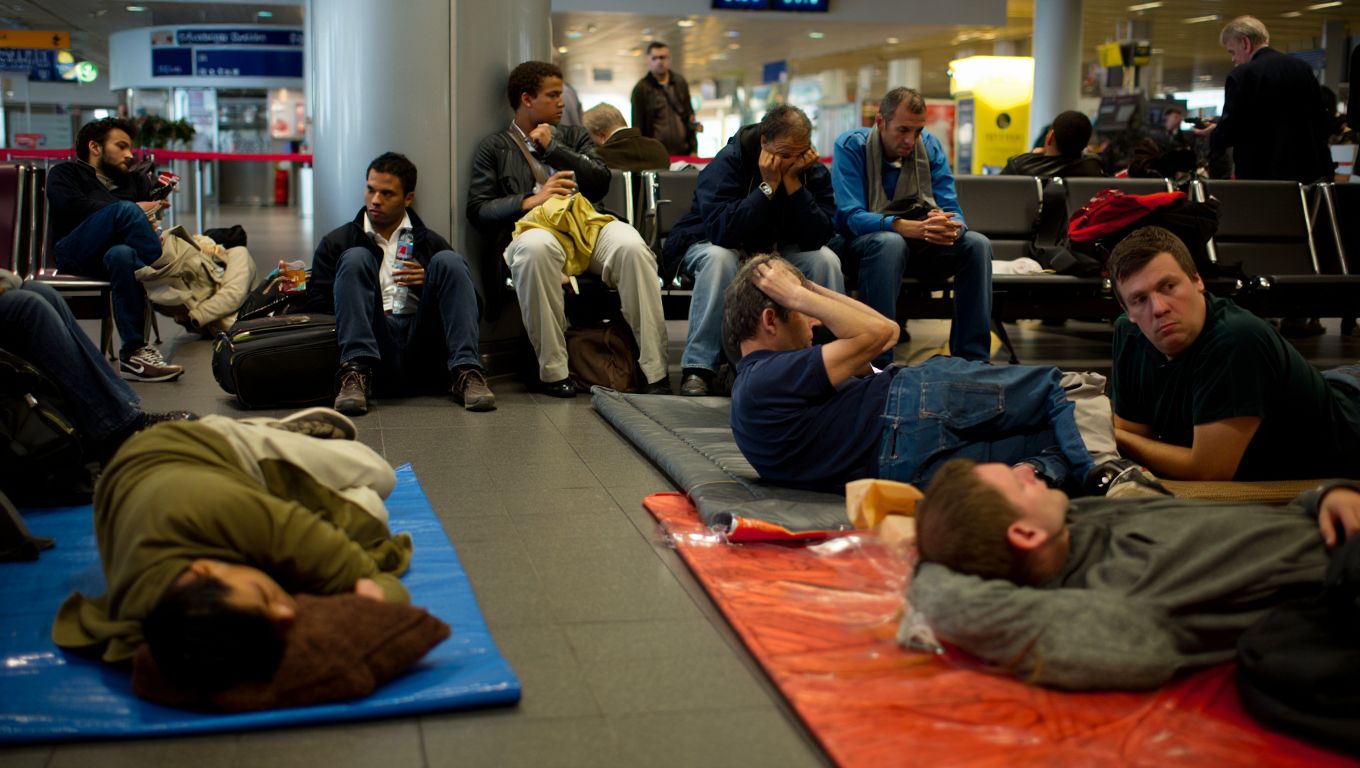
With curfews and late-hour constraints, the evening’s schedule unraveled. Coaches, cots, and terminal spaces were organized to shelter the group until morning, while ground teams secured hotel rooms where available. Some travelers stretched out under blankets near gates; others queued for transport vouchers and meal kits.
“It wasn’t the night we planned, but staff did keep us informed,” said another passenger, noting periodic announcements and water runs by airport volunteers. “After the initial shock, most people just wanted the patient to be okay.”
Care on board and on arrival
Industry procedures emphasize that “land now” decisions are guided by medical need, not the flight’s remaining distance. Crews assess symptoms, consult with ground doctors, and consider airport capabilities—fire, ambulance, and clinical response—before committing to a diversion.
On arrival, local emergency teams stabilized the affected traveler. The carrier said it is offering standard support to impacted customers, including refreshments, accommodation where possible, and rebooking on the earliest feasible services. “We thank customers for their patience and understanding as safety remains our top priority,” the statement added.
Operational ripple effects
One unscheduled stop can set off a chain of disruptions—crew duty-time limits, aircraft positioning, and slot availability all complicate the recovery. With 140 people stranded, planners weighed whether to dispatch a replacement aircraft, bus passengers to other airports, or retime the original jet once legal rest was met.
By early morning, airline representatives were shepherding the group through fresh itineraries. Some would head to Bordeaux later in the day; others accepted refunds or reroutes via alternative cities. “We expect to clear the backlog quickly,” a ground official said, pointing to improving weather and available crew capacity.
What passengers should know during a diversion
When plans change at altitude, a few simple steps can reduce stress and protect your rights:
- Keep boarding passes, receipts, and any airline messages—they help with rebookings and expense claims.
Many carriers will supply meals, hotel stays when practical, and ground transport, though entitlements vary by jurisdiction and reason for the delay. Staff at the gate or in the airline’s app can confirm what you’re eligible to receive.
Human factor first
For those onboard, the longest minutes were the quiet ones: seat belts fastened, lights low, a hush of private worry balanced against public composure. “The crew made the right call,” one traveler said. “You can replace plans; you can’t replace people.”
Aviation safety experts echo that sentiment. Diversions may be inconvenient, but they represent a system built to prioritize health and minimize risk. The technology, the training, the coordination with hospitals—they exist for rare moments when every second counts.
What’s next for those delayed
By midday, most passengers had been rebooked or were boarding coaches and shuttle buses. Travelers bound for work, weddings, or late-summer breaks swapped contact details, shared chargers, and compared fresh itineraries. Airport loudspeakers ticked through new gates, while staff moved down the lines with water and printed updates.
As the day unfolded, the original flight’s airframe was slated to return to service once crew limits reset and maintenance checks were cleared. Some seats would finally touch down along the Garonne, a few hours late—the cost of a difficult night, weighed against a single, essential outcome: that a fellow traveler received timely care and the chance to recover in full safety.

Contact details
Address:
Farmers Forum,
36, Dominick Street,
Mullingar,
Co. Westmeath,
Ireland
Phone:
+353 (0)44 9310206
Or email us:
For technical issues please check out our FAQ's page or email - [email protected]
For general Queries email - [email protected]
Request to add event to our Calendar - [email protected]
Send us your mart reports - [email protected]
Suggestions and feedbacks - [email protected]
News Items / Press Release - [email protected]
To Advertise on Farmers Forum - [email protected]