What if the fight against poverty was also a matter of biodiversity?
A Widely Held Belief on Shaky Ground
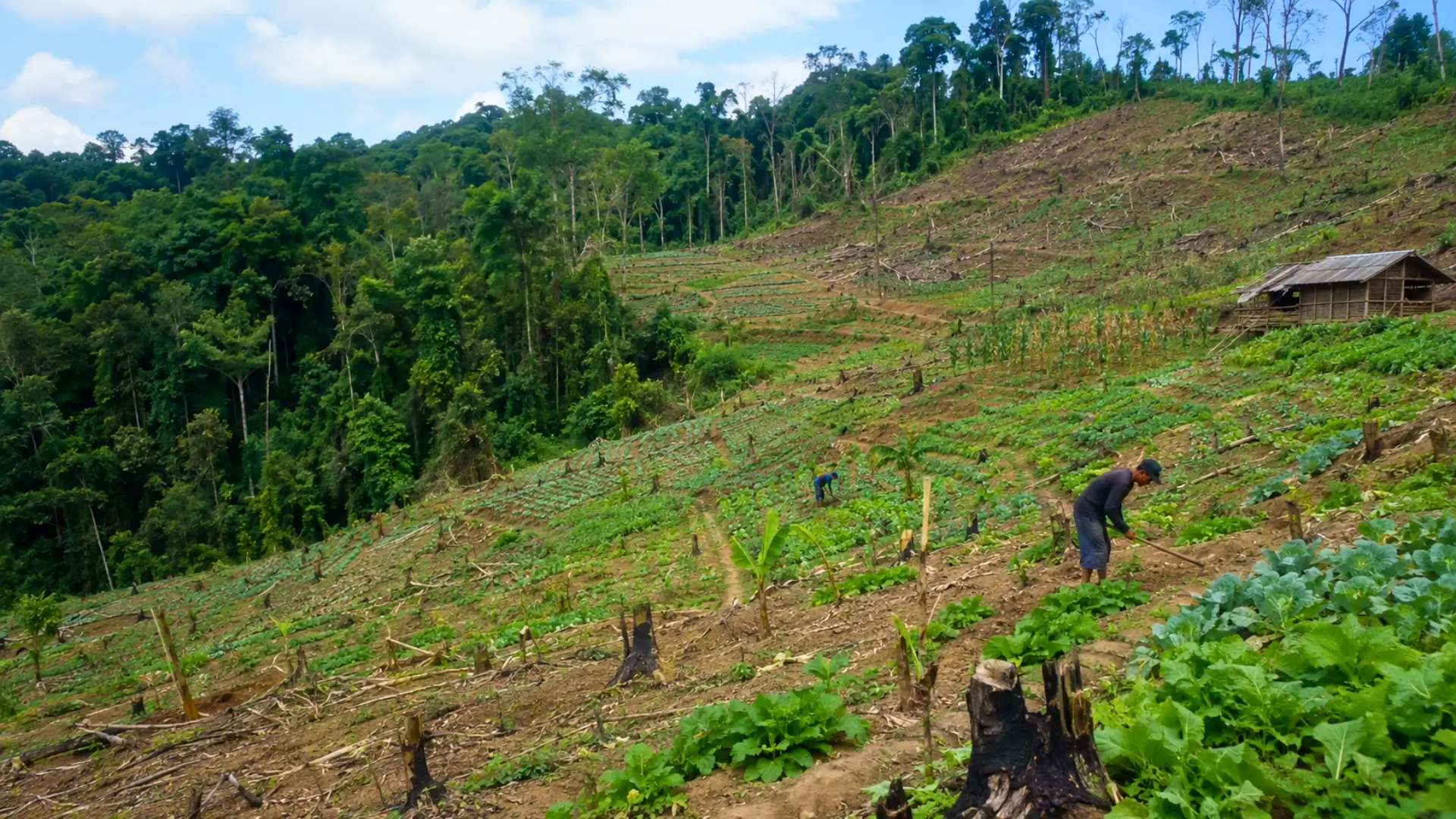
For a long time, the story was told as a grim duel. On one side, nature to protect, almost under a glass dome. On the other, developing poor countries, rapidly, sometimes at the expense of the landscape. As if a tropical forest, a more profitable farm, and a decent income could not coexist in the same breath.
A study published in the journal PNAS nevertheless challenges this old reflex. It was conducted by researchers from the University of Minnesota. According to their projections, speeding up development in low-income countries could also reduce the pressure on natural lands.
The heart of the matter rests on one very ordinary word: agriculture. Today, crops cover roughly 12% of the land. Pastures account for nearly a quarter. This is not a balcony planter. It is one of the main drivers of the disappearance of wild habitats.
That’s where the paradox becomes interesting. And frankly, less comfortable than it seems.
If developing countries remain trapped in poverty, the demand for food could explode. Population growth would further amplify the pressure. Possible result: more forests, savannas, and wetlands converted into fields. The researchers point to as much as a billion hectares more cultivated by 2100.
Progress, the Biodiversity Version
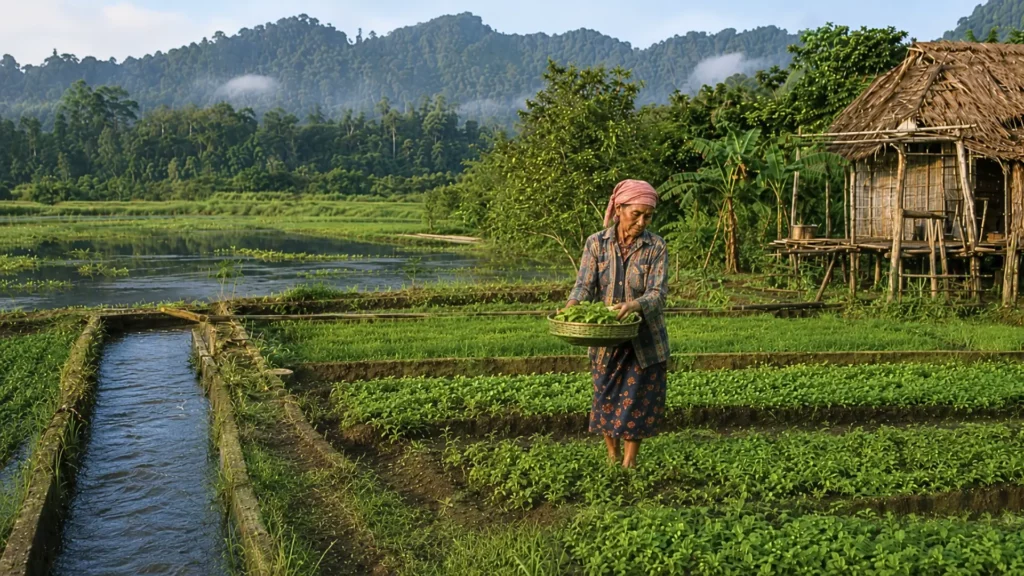
The idea is not to repaint growth in neon green. It’s more nuanced. Higher incomes are often accompanied by a demographic transition. They can also foster better yields, more efficient infrastructure, and smoother exchanges. Producing more without nibbling away everywhere: that’s the real tightrope.
Stephen Polasky, one of the study’s authors, sums up this reversal with caution. Helping poor countries develop could reduce poverty. And, more unexpectedly, benefit nature. Appealing, but not magical: the researchers do not provide a political playbook.
This question is not new. Back in the 1980s, the Brundtland Report already linked ecology and social justice. The planet, after all, does not love overly simple solutions.

Contact details
Address:
Farmers Forum,
36, Dominick Street,
Mullingar,
Co. Westmeath,
Ireland
Phone:
+353 (0)44 9310206
Or email us:
For technical issues please check out our FAQ's page or email - [email protected]
For general Queries email - [email protected]
Request to add event to our Calendar - [email protected]
Send us your mart reports - [email protected]
Suggestions and feedbacks - [email protected]
News Items / Press Release - [email protected]
To Advertise on Farmers Forum - [email protected]