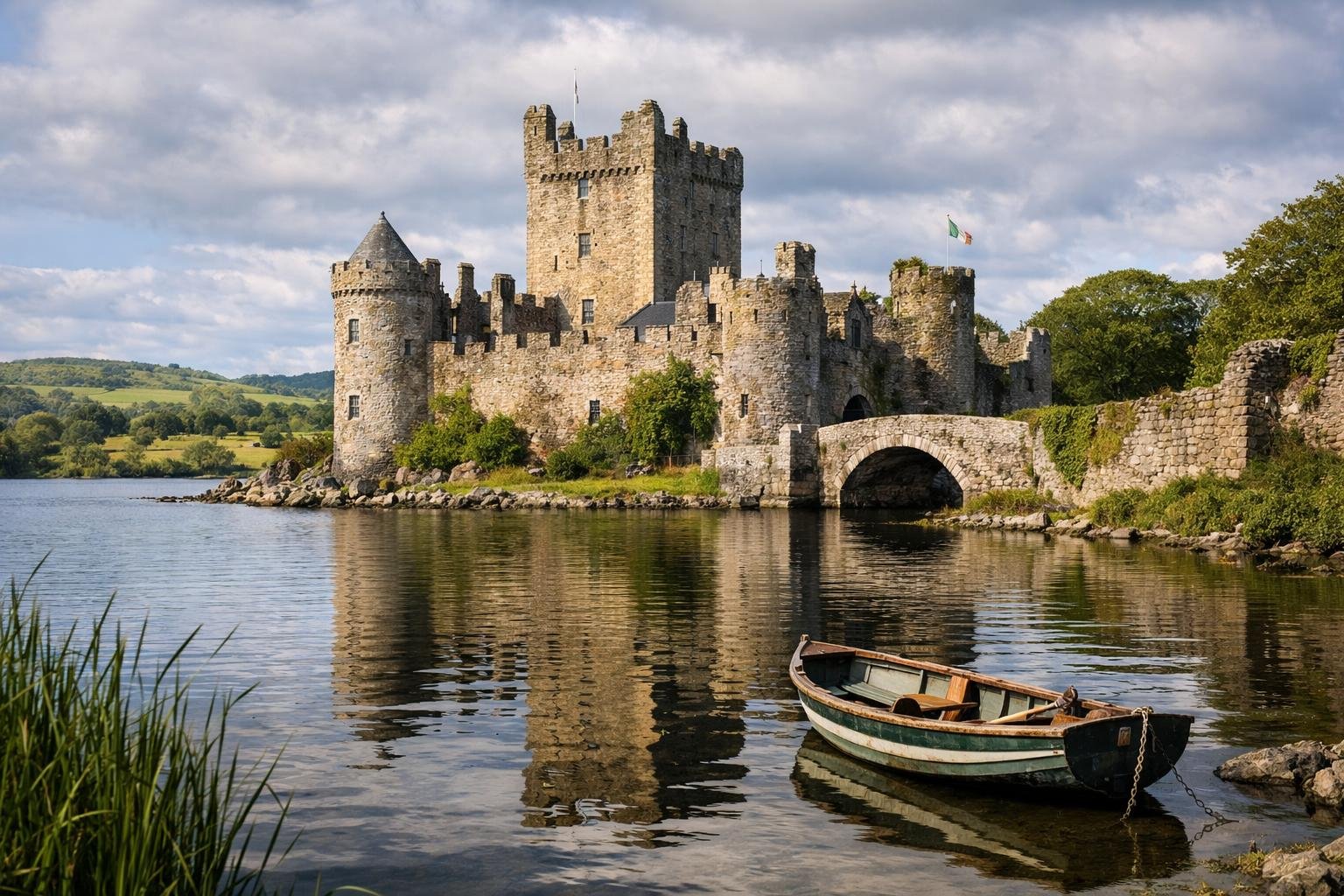
Some places whisper, others sing. Ireland’s castle hotels do the latter—low, lilting, and startlingly close. You walk a flagstone corridor and a dog dozes by the hearth; a caretaker nods hello like you’re a cousin. The vibe is less stage set, more lived-in legend. And the prices? Often softer than you’d expect, especially outside peak summer.
Why Ireland’s castles feel more lived‑in
Irish castles tend to be messy in the best way—layers of Norman, Georgian, and Victorian patched into one story-rich shell. You get real patina, not polished-to-perfection pageantry. As one local put it, “History here is less curated, more companionable.”
Part of the magic is scale. Many Irish estates are family-run, with kitchens that smell of soda bread and turf smoke clinging to stone. Staff remember your name, point out the rookery, and tell you which armchair has a mischievous draft. It’s hospitality as heritage, not performance art.
And then there’s the landscape. Atlantic weather makes everything move—rushes, rooks, and the light on lakes. When rain taps old slates, the rooms grow warmer, not wetter. “I felt like I was staying with history, not in a theme park,” said one delighted guest.
Where your money goes further
On average, Irish castle stays can run well below their more touristed counterparts, especially in shoulder seasons. Midweek rates and winter packages often slice prices to a pleasant hush. You’ll still get roaring fires, heavy drapes, and breakfast that qualifies as a ceremony.
Value shows up in details: complimentary scones, extra logs, bikes for woodland paths. Rather than pay for pageant, you’re paying for presence—quiet libraries, oddball portraits, and a bar where the barman knows three generations of your story.
If you like numbers, think rooms that often land around the midrange rather than blowout luxury, with the option to splurge on four-posters without draining the savings. “Pay less, feel more,” said a manager with a half-smile and a full teapot.
Five stays that deliver the magic
- Ballyseede Castle, County Kerry: Grand yet approachable, with peacocks on the lawn and a dining room that smells of bay and butter. Solid value near the Ring of Kerry.
- Cabra Castle, County Cavan: Turrets, timber, and a hush that suits night owls. Expect warm service and fair rates for big-atmosphere rooms.
- Kinnitty Castle, County Offaly: Gothic mood, candlelit corridors, and a dash of drama beneath the Slieve Bloom Hills. Good for music and stout by the fire.
- Clontarf Castle, Dublin: City convenience meets moody stone and modern comforts. Great if you’re mixing culture with a dose of battlements.
- Kilkea Castle, County Kildare: Tapestries, walled gardens, and a river walk at a price that often undercuts splashier names—especially midweek.
How to plan an affordable castle loop
Aim for shoulder months—spring’s first gorse or late autumn’s copper hedgerows. Weeknights run quieter, and offers multiply like wildflowers after rain. Fly into Dublin or Shannon, rent a modest car, and draw a loop that pairs one splash-out stay with two gentler nights.
Look for dinner‑bed‑and‑breakfast bundles; they stretch the budget and anchor your evening. Ask about smaller rooms in the main house versus modern wings—you often keep the character without the premium tag. “We’d rather fill the castle with people than with postcards,” said a receptionist, tapping a paper ledger.
If you crave privacy, consider a self-catering tower or gatehouse on the same estate. You’ll still pad past ancient masonry, then boil the kettle in a tiny, perfect kitchen. Bring layers, waterproofs, and a sense of notice—there’s always one more detail tucked in shadow.
Small details that seal the spell
Irish castles reward lingering. Sit by the hearth and watch staff flick a spark into flame with the casual grace of long practice. Ask about the odd portrait with the lopsided smile; there’s always a story, told with a wink and a whisper.
Go early to breakfast. The silver teapot, the dense brown loaf, the marmalade that bites like sun—they’re small, fierce luxuries. Later, walk the grounds and count the rooks, or trace the ha‑ha as it hides the field from the façade.
When evening folds in blue, the corridors feel safely haunted—not by ghosts, but by the everyday lives that soaked into stone. That’s the quiet Irish trick: spend a little less, take home something far more. As one caretaker laughed, “You don’t need tartan to feel ancient—you just need a good key and a door that creaks.”

Contact details
Address:
Farmers Forum,
36, Dominick Street,
Mullingar,
Co. Westmeath,
Ireland
Phone:
+353 (0)44 9310206
Or email us:
For technical issues please check out our FAQ's page or email - [email protected]
For general Queries email - [email protected]
Request to add event to our Calendar - [email protected]
Send us your mart reports - [email protected]
Suggestions and feedbacks - [email protected]
News Items / Press Release - [email protected]
To Advertise on Farmers Forum - [email protected]